Can Swedish-Standard Installation Make Your Solar Power System More Reliable?
November 17, 2026
|
California
Homeowners considering solar often ask the same practical question before signing a contract: will this system actually work, year after year, without constant repairs or disappointing output? That question goes straight to the heart of solar power system reliability — a factor that matters just as much as upfront cost or payback period, especially in a state like California where wildfires, grid instability, and extreme heat put real stress on home energy infrastructure.
Reliability isn't a single number on a spec sheet. It's the combined result of component quality, installation craftsmanship, monitoring, and how well a system is maintained over its 25-to-30-year lifespan. This article breaks down exactly what makes a solar power system dependable, how to evaluate it before you buy, and what separates a system that performs flawlessly for decades from one that becomes a source of frustration within a few years.
Reliability is the product of several interconnected factors working together. A weak link in any one of them can undermine the entire system's performance, even if the other components are excellent.
According to the National Renewable Energy Laboratory (NREL), well-designed residential solar systems can operate at 80% or more of original capacity after 25 years, but that benchmark assumes quality components and proper installation from day one. Cutting corners anywhere in that chain shortens the system's useful life considerably.
Not all solar panels are built to the same standard. Panel reliability is typically measured through degradation rate, temperature tolerance, and resistance to microcracking from thermal cycling. Premium monocrystalline panels manufactured under strict quality control tend to degrade more slowly and hold up better in California's hot, high-UV climate.
The U.S. Department of Energy notes that most crystalline silicon panels degrade between 0.3% and 0.8% per year, meaning a quality panel installed today should still produce roughly 85-92% of its original output after 25 years. Lower-tier panels, often sourced to hit an aggressive price point, can degrade faster and are more prone to early failure from micro-fractures, delamination, or hot spots.
This is one reason Everysun uses US-made, high-efficiency panels paired with Swedish-engineered safety and installation protocols. Panels manufactured domestically are subject to consistent quality oversight, and combining that with rigorous installation standards reduces the two most common points of failure: the panel itself and the way it's mounted and wired.
| Panel Tier | Typical Annual Degradation | Expected Output at Year 25 | Common Failure Modes |
|---|---|---|---|
| Premium (US-made, Tier 1) | 0.3%–0.5% | 88%–92% | Rare; minor cell mismatch |
| Mid-Tier Imported | 0.5%–0.8% | 80%–85% | Microcracking, hot spots |
| Budget/Unbranded | 0.8%–1.2%+ | 65%–75% | Delamination, early failure |
While panels are built to last decades, inverters historically have a shorter lifespan — often 10 to 15 years for string inverters, which is why reliability-focused installers now favor microinverters or power optimizers that isolate failures to a single panel rather than taking down an entire array.
Battery storage adds another layer of complexity. Lithium iron phosphate (LFP) batteries, now standard in most quality residential systems, offer significantly better cycle life and thermal stability than older lithium-ion chemistries. The U.S. Department of Energy's battery storage research confirms that LFP batteries can handle thousands of charge cycles with minimal degradation, making them well-suited for daily solar charging and discharging over 15+ years.
For California homeowners specifically, battery reliability has become essential rather than optional. With Public Safety Power Shutoffs (PSPS) occurring during wildfire season and grid strain increasing during heat waves, a battery that reliably kicks in during an outage isn't a luxury feature — it's the difference between keeping your refrigerator running and losing hundreds of dollars in spoiled food, or keeping medical equipment powered when it matters most.
| Component | Typical Lifespan | Key Reliability Factor | Failure Impact |
|---|---|---|---|
| String Inverter | 10–15 years | Heat exposure, electrical load | Entire array can go offline |
| Microinverter | 20–25 years | Per-panel redundancy | Only one panel affected |
| LFP Battery | 15–20 years | Cycle count, thermal management | Loss of backup power |
| Older Li-ion Battery | 8–12 years | Heat sensitivity, degradation | Reduced backup capacity over time |
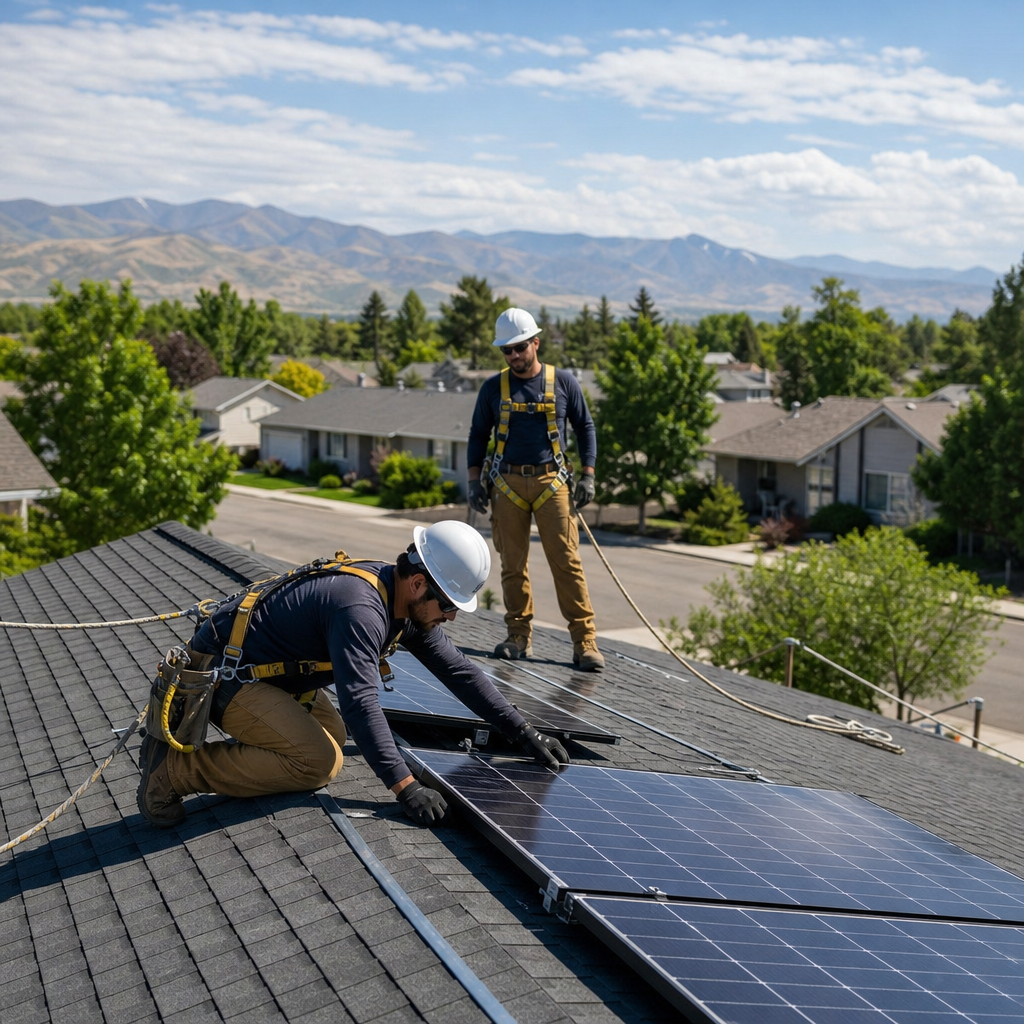
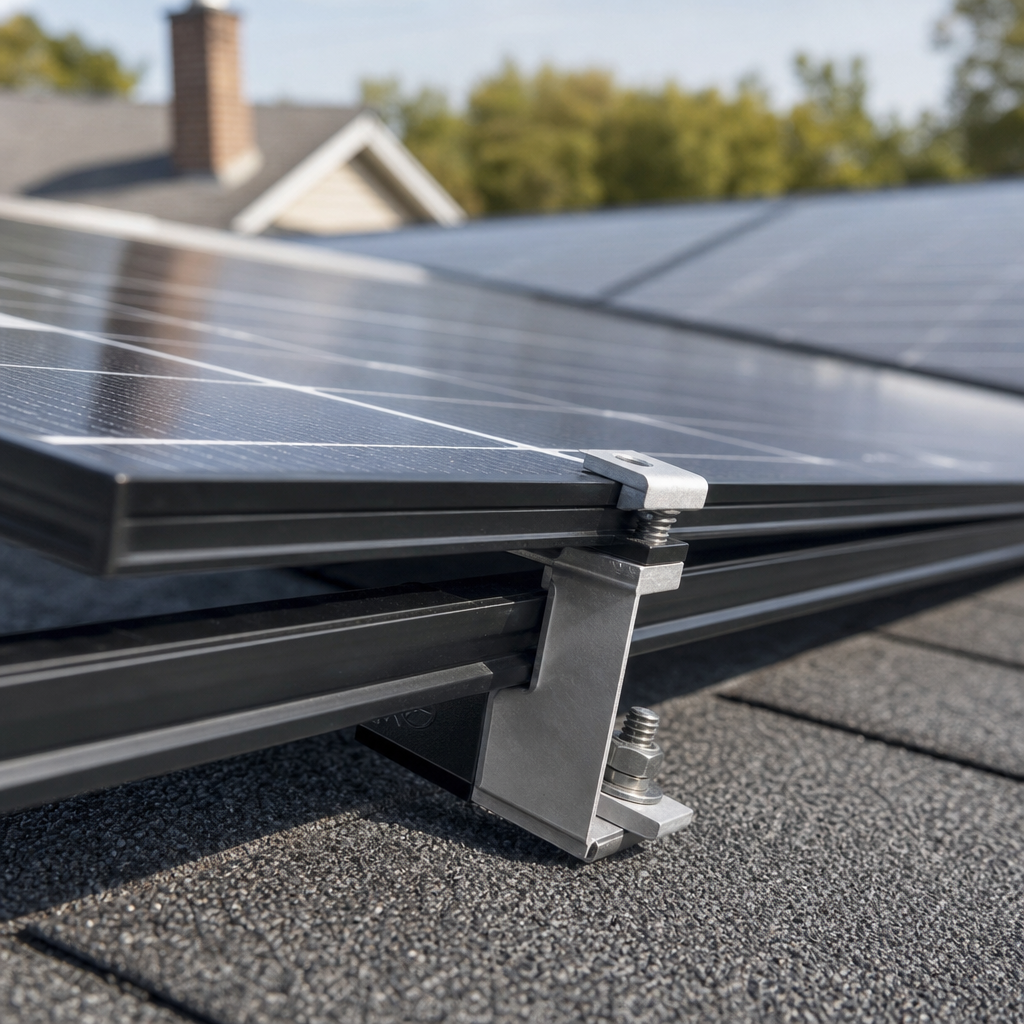
Even the best components will underperform or fail prematurely if installed incorrectly. Improper roof penetrations lead to leaks. Poor wiring connections create resistance, heat, and eventually arc faults. Incorrect panel spacing can cause shading losses that aren't obvious until a year-over-year output comparison reveals an unexplained drop.
This is where installation standards become a genuine differentiator between solar companies. Everysun's approach draws on Swedish safety and installation standards — a methodology shaped by a country where electrical and building codes are notoriously strict, and where solar equipment must perform reliably through harsh winters and significant temperature swings. Applying that same rigor to California installations means:
The Solar Energy Industries Association (SEIA) has repeatedly flagged installation quality as one of the leading causes of underperforming residential solar systems nationally — not equipment failure, but preventable workmanship errors. Choosing an installer with documented standards and a strong guarantee, like Everysun's 20-year installation guarantee, shifts the risk of workmanship errors away from the homeowner and onto the company that did the work.
A reliable solar system isn't a "set it and forget it" purchase. Modern systems include monitoring platforms that track production at the panel or string level, flagging anomalies like sudden output drops, communication errors, or inverter faults in real time.
Benefits of real-time monitoring include:
The California Public Utilities Commission has also emphasized monitoring transparency as part of its consumer protection guidance for solar customers, noting that homeowners should have clear visibility into system performance to verify they're getting what they paid for.
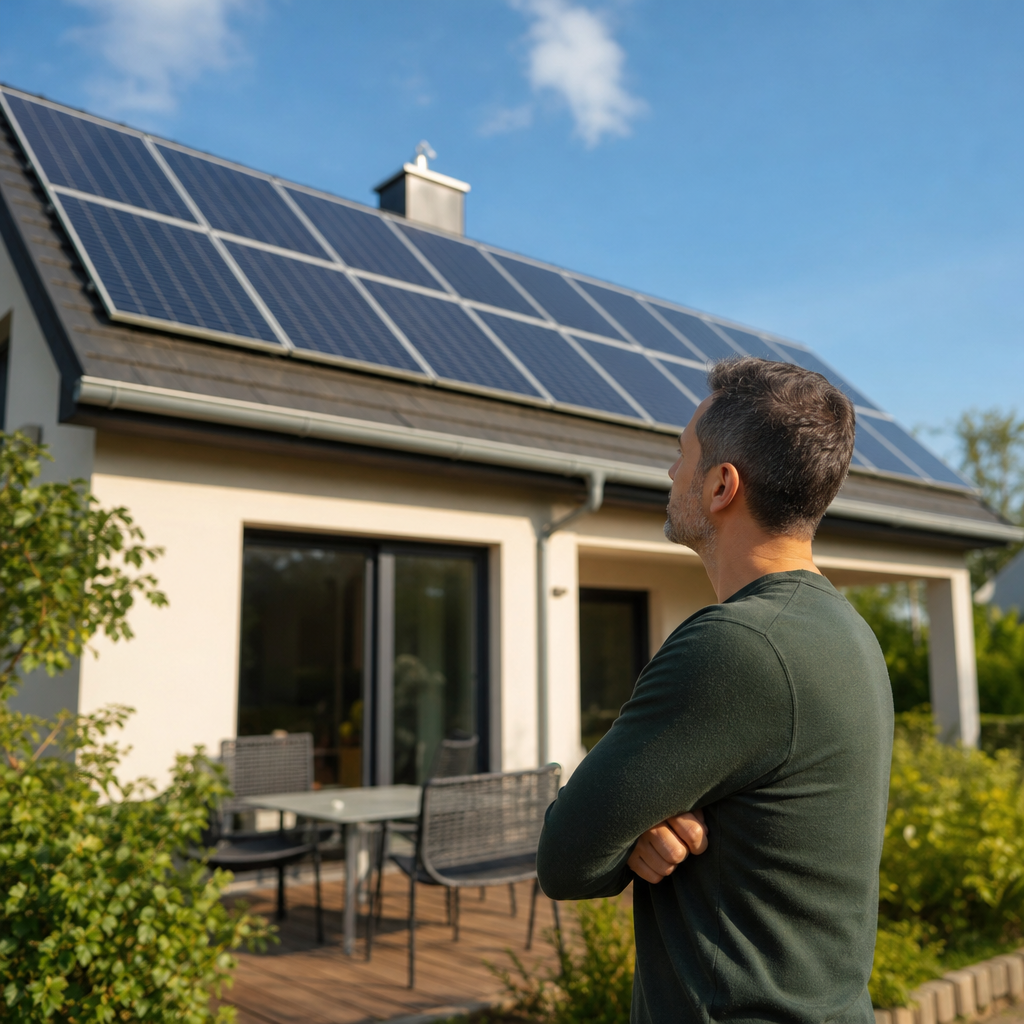
California's climate and grid conditions create a unique set of reliability demands that don't apply equally in every state.
Extreme heat. Inverters and batteries lose efficiency and lifespan when they run hot. Systems installed in California's Central Valley or desert regions need better ventilation and thermal management than a comparable system in a coastal fog belt.
Wildfire smoke and dust. Reduced sunlight from smoke events and particulate buildup on panels both cut into production. Panels need periodic cleaning, and the system's monitoring should be sensitive enough to distinguish an actual fault from a temporary smoke-related dip.
Grid instability and PSPS events. As outages become more routine during fire season, battery backup reliability has shifted from a nice-to-have to a core requirement for many households, particularly those with medical needs or home offices.
Net metering changes. Under NEM 3.0, exporting excess power to the grid earns far less credit than under the previous framework, as detailed by the California Public Utilities Commission's NEM decision. This has made battery storage — and by extension, battery reliability — central to maximizing the financial value of a solar investment, since self-consumption now matters more than export credits.
These regional pressures mean a system engineered for, say, the Pacific Northwest or the Midwest won't necessarily hold up the same way in California. Reliability has to be evaluated in the context of the specific climate and grid conditions a home actually faces.
No matter how well a system is built, warranties determine what happens if something does go wrong. A strong warranty structure is effectively insurance against the reliability risks discussed above, and it reveals how confident a manufacturer or installer is in their own product.
Key warranty types to evaluate:
Everysun backs its systems with 25-year product warranties and a 20-year installation guarantee, which together address both of the major risk categories: defective equipment and installation error. For homeowners comparing quotes, warranty length and what's actually covered should weigh as heavily as the sticker price, since a cheaper system with weak warranty terms can cost far more over its lifetime if components fail outside of coverage.
| Warranty Type | Industry Standard | What It Protects Against |
|---|---|---|
| Panel Product Warranty | 10–25 years | Manufacturing defects |
| Panel Performance Warranty | 25 years, 80-85% output | Excessive degradation |
| Inverter Warranty | 10–15 years | Inverter failure |
| Battery Warranty | 10 years / set cycle count | Capacity loss, failure |
| Installation Guarantee | Varies widely (often absent) | Workmanship errors, leaks |
Even after installation, homeowners play a role in maintaining long-term system performance. Consider these ongoing practices:
Taking these steps doesn't just protect the system — it protects the financial return homeowners are counting on from their solar investment. A system that degrades faster than expected or experiences downtime directly reduces the electricity bill savings that justified the purchase in the first place.
When comparing solar providers, reliability should be evaluated with the same scrutiny as price. Ask potential installers direct questions:
A company willing to answer these questions clearly and back their answers with written warranty terms is signaling genuine confidence in their work. Vague answers or reluctance to specify equipment brands are red flags worth taking seriously.
Everysun's model — combining US-made high-efficiency panels, Swedish-grade installation discipline, flexible payment options, a 20-year installation guarantee, and 25-year product warranties — was built specifically around addressing these reliability concerns rather than leaving homeowners to discover problems years after installation. You can review system options and request a personalized reliability assessment directly through www.everysun.com.
Solar power system reliability isn't determined by a single component or a single decision — it's built through consistent quality choices across panels, inverters, batteries, installation practices, and warranty coverage, all tailored to the specific demands of California's climate and grid conditions. Homeowners who ask the right questions upfront and choose installers with proven standards avoid the frustration of underperforming systems and unexpected repair costs down the road.
For California homeowners who want a solar and battery system engineered to perform reliably for decades, not just for the warranty period, www.everysun.com offers a combination of high-efficiency US-made panels, rigorous Swedish installation standards, and long-term guarantees designed to deliver dependable clean energy and real savings for years to come.
© 2025 Everysun Inc. All Rights Reserved.


Get Your Free Solar Quote
Request your free quote and see how solar can work for your home and budget