Can California Homeowners Really Afford Solar Panels Without Breaking the Bank?
November 25, 2026
|
California
Rising utility bills have pushed more California homeowners to ask a simple question: can solar power actually be affordable, or is it only for people with large upfront budgets? The good news is that the solar market has matured significantly, and affordability no longer means cutting corners on quality or safety. With the right combination of financing, incentives, and system design, most homeowners can find a solar solution that fits their budget while still delivering decades of reliable savings.
This article breaks down what "affordable" really means in the solar industry today, how pricing works, what factors affect your final cost, and how to evaluate offers so you get genuine long-term value instead of a bargain-priced system that underperforms.
Ten years ago, solar was a luxury upgrade reserved for homeowners with significant disposable income. Today, the economics look very different. According to the U.S. Department of Energy, the cost of residential solar has fallen by more than 60% over the past decade, driven by manufacturing efficiency, larger-scale production, and improved panel technology.
Several forces are keeping prices accessible for everyday homeowners:
Despite this progress, "affordable" doesn't mean identical across providers. Equipment quality, installation standards, and warranty coverage still vary widely, which is why price alone shouldn't be the only factor in your decision.
Solar pricing isn't one-size-fits-all. Several variables combine to determine your final quote, and understanding them helps you compare offers accurately instead of just looking at the bottom-line number.
The National Renewable Energy Laboratory publishes benchmark cost data showing that soft costs — permitting, labor, financing, and customer acquisition — now make up a larger share of total price than the hardware itself. This is an important reason why choosing an experienced, well-reviewed local installer like www.everysun.com can make a meaningful difference in both price and performance.
Pricing varies by region, system size, and equipment tier, but the table below reflects typical ranges homeowners can expect across California in 2026 before incentives are applied.
| System Size | Estimated Panel Count | Average Cost (Before Incentives) | Typical Monthly Bill Offset |
|---|---|---|---|
| 4 kW | 10–11 panels | $12,000 – $15,000 | 40–50% |
| 6 kW | 15–16 panels | $16,000 – $20,000 | 60–75% |
| 8 kW | 20–21 panels | $20,000 – $25,000 | 80–95% |
| 10 kW | 25–26 panels | $24,000 – $30,000 | 95–100%+ |
These figures are general estimates; actual pricing depends on roof conditions, equipment selection, and whether battery storage is included. For a more detailed breakdown of real-world installation and battery costs, see this related resource on what it actually costs to cut your home electricity bill in California.
One of the biggest shifts in the solar industry has been the explosion of flexible financing. Homeowners no longer need tens of thousands of dollars in cash to go solar. Instead, several payment structures can spread costs over time while still delivering immediate bill savings.
Choosing between these options often comes down to whether you prioritize ownership benefits (like tax credits and higher resale value) or simplicity and minimal upfront cost. For homeowners weighing this decision, it's worth reading a direct comparison of whether it's better to buy or lease solar panels in California before signing anything.
Federal and state-level incentives remain one of the most powerful tools for making solar affordable. As of 2026, the primary incentive programs include:
Because these programs change periodically, it's wise to confirm current eligibility with a licensed installer before finalizing your system design.
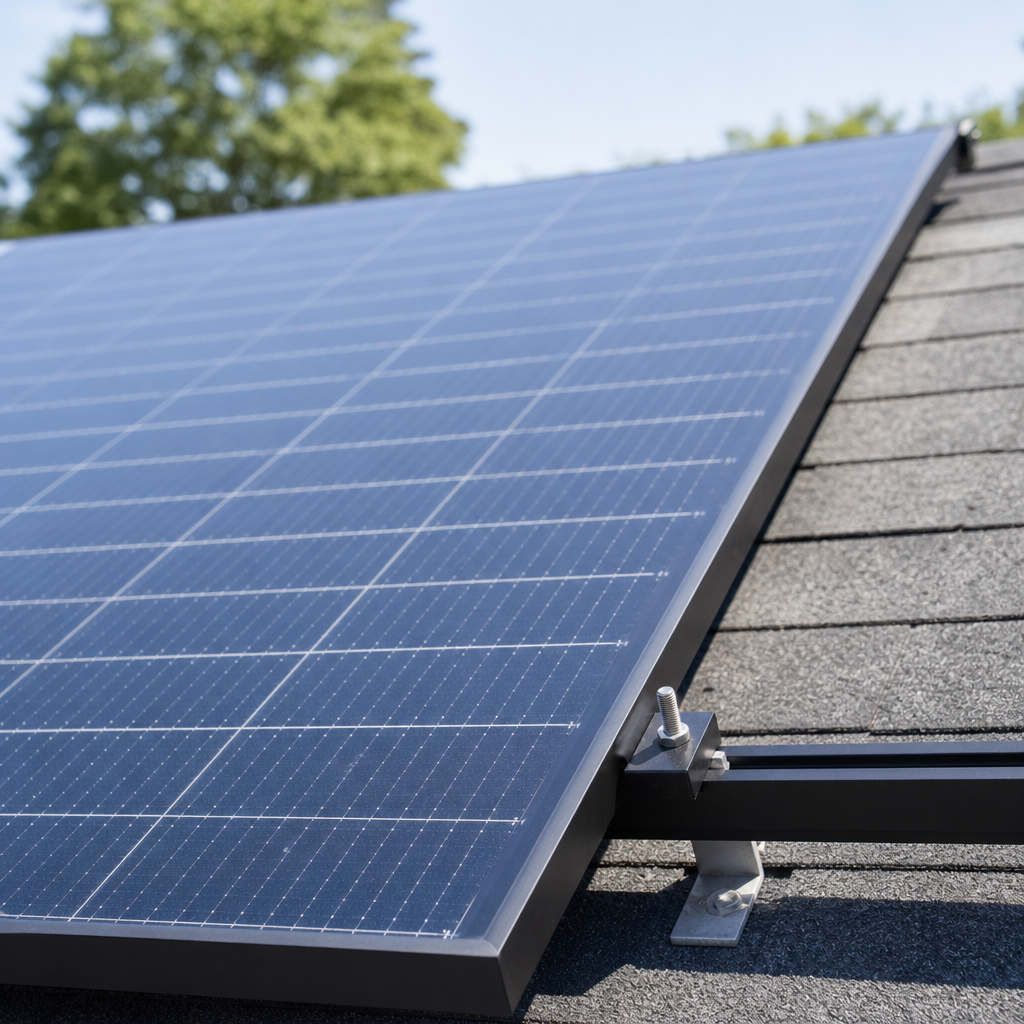
Not all "affordable" solar offers are created equal. Some companies advertise rock-bottom pricing by using lower-tier panels, minimal warranty coverage, or subcontracted installation crews with inconsistent training. Understanding these trade-offs is essential before you commit.
| Factor | Budget Provider | Quality-Focused Provider (e.g., Everysun) |
|---|---|---|
| Panel origin | Often imported, variable QC | US-made, high-efficiency cells |
| Installation standards | Minimal oversight | Swedish safety-standard installation protocols |
| Workmanship warranty | 5–10 years | 20-year installation guarantee |
| Product warranty | 10–15 years | 25-year product warranty |
| Financing flexibility | Limited | Multiple flexible payment options |
| Customer support | Inconsistent | Dedicated long-term support |
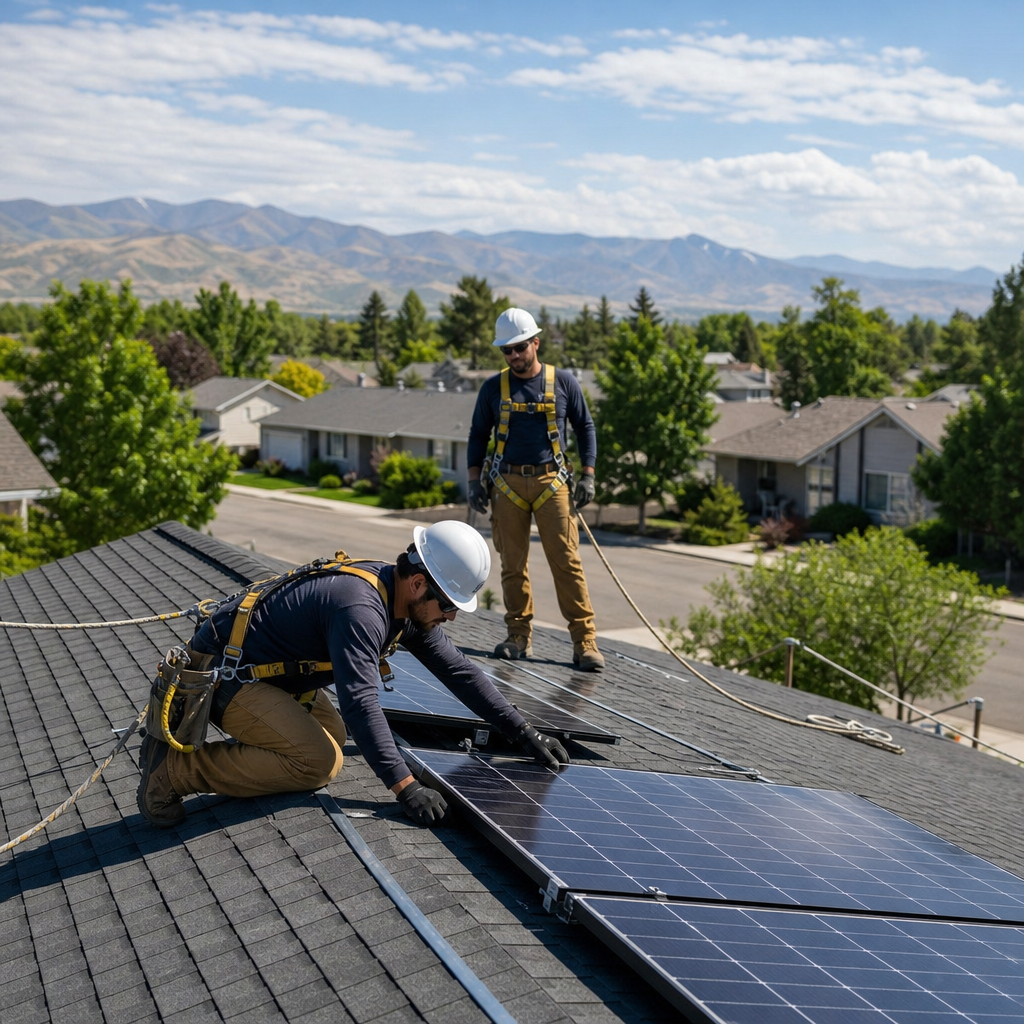
The lesson here isn't that cheaper always means worse — but price alone is a poor predictor of long-term value. A system that fails prematurely or underperforms erases any upfront savings. This is why many California homeowners choose providers that combine competitive pricing with rigorous installation standards, such as those outlined in this piece on solar panel installation safety standards.
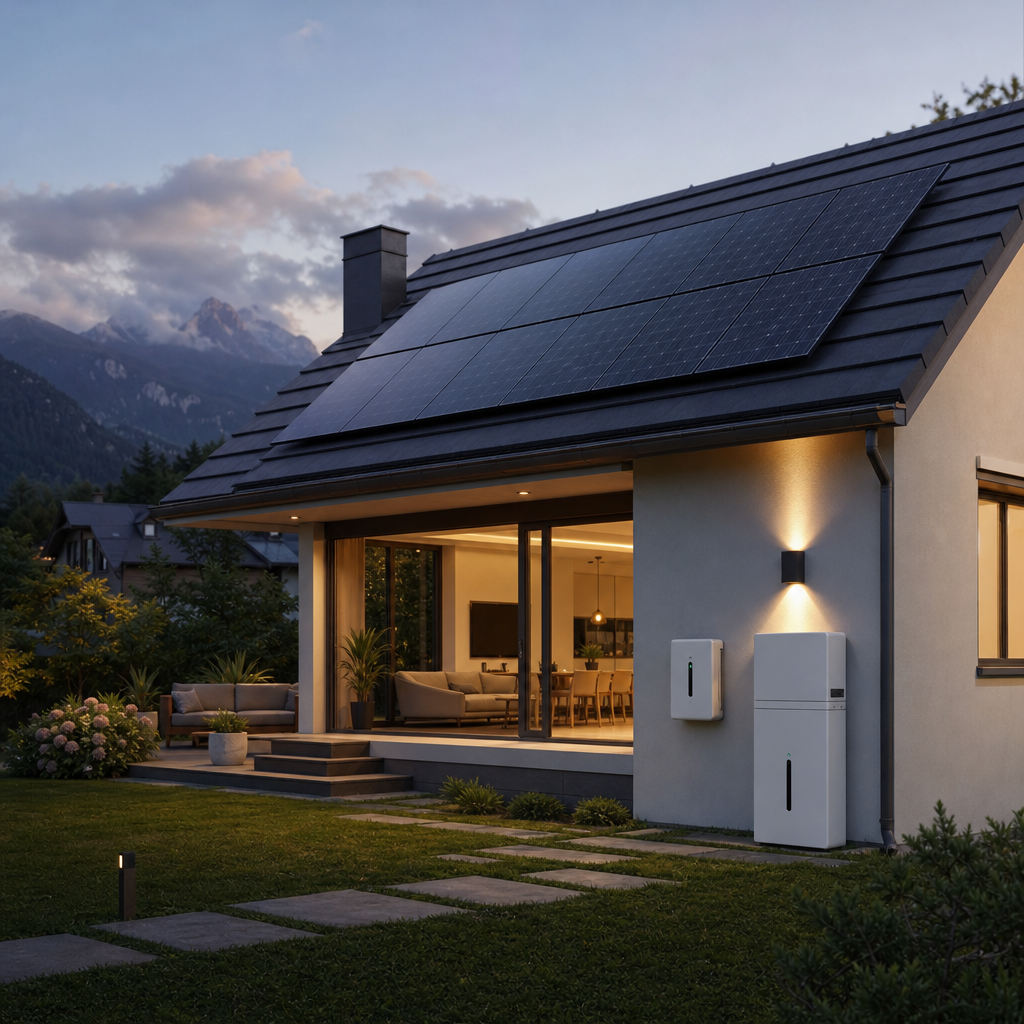
Adding battery storage increases the initial investment, but it also changes the long-term value equation significantly. Batteries let you store excess solar energy generated during the day and use it during evening peak-rate hours or power outages, rather than selling it back to the grid at lower compensation rates under current net metering rules.
Benefits of pairing battery storage with solar include:
For homeowners deciding whether the added cost is worthwhile, this breakdown of why California homeowners with solar panels still add a battery explains the reasoning in more detail, along with real-world scenarios involving outages and billing cycles.
Because solar has become such a competitive market, some sales tactics can make pricing look more attractive than it actually is. When comparing quotes, watch for these warning signs:
Before signing any contract, it's worth reviewing a company's licensing and reputation thoroughly. This guide on how to run a solar company reputation check that actually works outlines exactly what to look for, including license verification through the California Contractors State License Board.
If you're ready to explore solar, following a structured approach can help you secure the best possible price without compromising on system quality.
Taking these steps not only protects your investment but also ensures the system you install will perform reliably for its full expected lifespan, often 25 years or more.
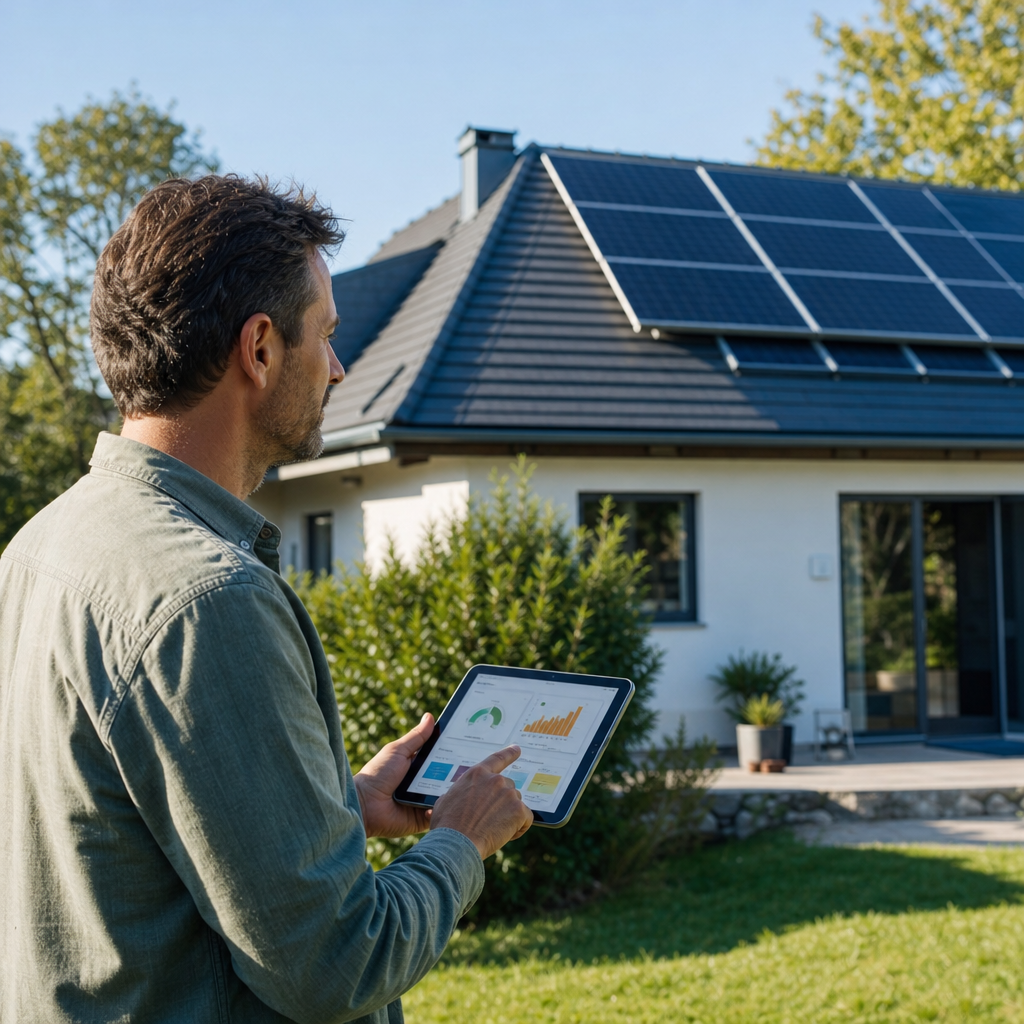
Affordability shouldn't only be measured by the initial price tag — it should be measured by what you get back over time. A properly sized, well-installed solar system typically pays for itself within 6 to 10 years in California, depending on system size, local electricity rates, and financing terms. After that payback period, the energy produced is effectively free, aside from minimal maintenance costs.
| Consideration | Impact on Long-Term ROI |
|---|---|
| High-efficiency panels | More energy produced per square foot, faster payback |
| Strong workmanship warranty | Reduces risk of costly repairs |
| Battery storage | Increases self-consumption and protects against rate hikes |
| Professional installation standards | Minimizes performance loss and roof damage risk |
| Financing terms | Affects total cost paid over system lifetime |
Because electricity rates in California have historically trended upward, locking in predictable solar-generated power is itself a form of long-term financial protection, independent of any single year's pricing.
Affordable solar doesn't mean the cheapest quote on paper — it means getting a system that reliably reduces your electricity costs for decades without unexpected failures, voided warranties, or subpar installation work. By understanding how pricing is structured, what incentives are available, and how to compare quotes accurately, California homeowners can make confident, financially sound decisions about going solar.
For homeowners who want the combination of competitive pricing, high-efficiency US-made panels, and rigorous Swedish-standard installation practices, www.everysun.com offers flexible payment options, a 20-year installation guarantee, and 25-year product warranties designed to make solar both accessible and dependable. Rather than choosing between affordability and quality, Everysun's approach is built to deliver both — helping homeowners across California transition to clean, reliable energy with confidence.
© 2025 Everysun Inc. All Rights Reserved.


Get Your Free Solar Quote
Request your free quote and see how solar can work for your home and budget