Why California Homeowners With Solar Panels Still Add a Battery: The Benefits of Battery Storage With Solar
November 23, 2026
|
California
California homeowners have spent the last few years watching utility rates climb, wildfire-related outages spread, and net metering rules shift dramatically. Against that backdrop, a growing number of households are no longer asking whether to go solar, but whether to pair their solar panels with a battery. Understanding the benefits of battery storage with solar is now essential for anyone trying to get the most value, resilience, and savings out of a home energy system in 2026.
This article breaks down exactly what battery storage does for a solar-powered home, how it changes your financial picture under current California rules, and what to consider before investing in one. Whether you're new to solar or already have panels and are considering adding storage, this guide will help you make an informed decision.
For years, solar panels alone made excellent financial sense in California thanks to generous net metering programs that let homeowners sell excess daytime power back to the grid at retail rates. That changed significantly with the shift to NEM 3.0, which cut export compensation rates by roughly 75% compared to the previous program.
Under the old rules, solar panels alone could offset nearly all of a household's electricity costs. Under NEM 3.0, exported solar power is worth far less, while electricity purchased from the grid in the evening—when solar production has stopped but household demand peaks—remains expensive. This mismatch is exactly where battery storage closes the gap.
Without a battery, a solar-only system essentially gives away cheap surplus power during the day and then forces homeowners to buy it back at a premium once the sun sets. With a battery, that same surplus energy is stored and used at home during expensive evening hours instead of being exported for pennies on the dollar.
Adding battery storage to a solar panel system delivers a combination of financial, operational, and lifestyle advantages. Here are the most significant ones for California homeowners.
Battery storage allows you to use your own solar energy on your own schedule rather than the utility's. Most California utilities now bill using time-of-use rate structures, where electricity costs significantly more between roughly 4 p.m. and 9 p.m. A battery lets you store cheap, self-generated solar power during the day and discharge it during those expensive peak hours, avoiding the higher rate entirely.
California's increasing frequency of Public Safety Power Shutoffs and wildfire-related grid instability means outages are no longer rare events. A solar-plus-battery system can automatically switch to battery power when the grid goes down, keeping refrigerators running, medical equipment powered, and lights on—something solar panels alone cannot do, since most grid-tied systems shut off during an outage for safety reasons.
A battery reduces your reliance on the utility company for evening and nighttime power. While most California homes remain grid-connected for reliability, a well-sized battery can cover the majority of a household's nighttime usage using energy generated earlier that day.
California electricity rates have risen faster than the national average over the past decade, according to the U.S. Energy Information Administration. Every kilowatt-hour you generate and store yourself is a kilowatt-hour you don't have to purchase at an increasingly volatile price.
Because NEM 3.0 export rates are so low, much of the financial value of a solar array now depends on how much of your own power you can consume directly. Storage dramatically increases "self-consumption," which is the single biggest factor in solar payback speed under the new rules.
Some utilities and demand-response programs offer incentives to homeowners who allow their stored battery power to support the grid during peak demand events, creating an additional revenue stream for battery owners.
| Feature | Solar Panels Only | Solar Panels + Battery Storage |
|---|---|---|
| Daytime power use | Covered by solar | Covered by solar |
| Evening/nighttime power | Purchased from grid at peak rates | Covered by stored solar energy |
| Power during outages | None (system shuts off) | Yes, with backup capability |
| Value of excess solar exported (NEM 3.0) | Very low | Minimal, since most is stored and used at home |
| Resilience during PSPS events | None | High |
| Typical bill offset | 40-70% | 70-95%+ |
| Upfront cost | Lower | Higher, but often financeable |
To understand the real-world benefit, it helps to look at how a typical California household's energy flow changes once a battery is added. Below is a simplified daily usage comparison for a home consuming about 30 kWh per day.
| Time of Day | Without Battery | With Battery |
|---|---|---|
| 9 a.m. – 4 p.m. (solar production peak) | Excess solar exported at low NEM 3.0 rate | Excess solar stored in battery |
| 4 p.m. – 9 p.m. (peak utility rate period) | Power purchased from grid at highest rate | Power drawn from stored battery energy |
| 9 p.m. – 9 a.m. (off-peak) | Power purchased from grid at lower rate | Remaining battery power or low-cost grid power used |
| Grid outage | No backup power available | Essential circuits powered by battery |
The practical result is that homeowners with storage typically see a significantly higher percentage of their total electricity needs met by their own solar system, rather than purchased from the utility at peak pricing.
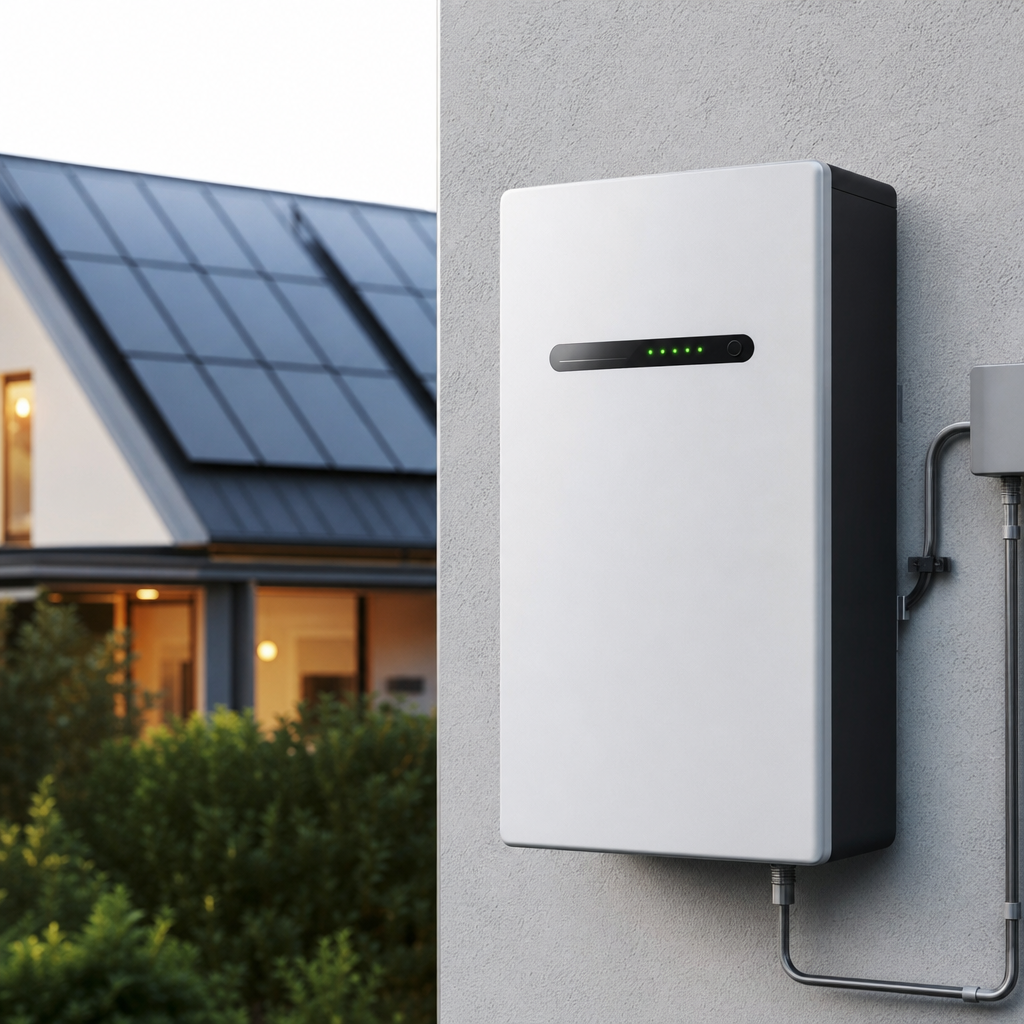
Battery sizing depends on household energy consumption, solar system size, and whether you want partial backup (essential circuits like refrigeration, lighting, and Wi-Fi) or whole-home backup. A professional home energy audit or a proper system design consultation is the best way to determine the right capacity, rather than guessing based on generic sizing charts.
Key factors that affect battery sizing include:
Many households find that a single battery (typically in the 10-15 kWh range) covers evening time-shifting needs, while homes wanting full outage protection or those with EVs often choose two batteries for additional capacity.
Beyond NEM 3.0, several state and federal programs continue to make battery storage more financially attractive:
Because incentive programs and rules change frequently, it's worth confirming current eligibility and rebate amounts with a qualified installer before finalizing a system design.
It's worth addressing a few misconceptions that often cause confusion among homeowners researching storage options.
Not all battery systems are built or installed to the same standard. When evaluating options, homeowners should consider:
This is where installation standards matter as much as the equipment itself. At www.everysun.com, every battery storage system is installed according to Swedish safety and engineering standards, combined with US-made, high-efficiency solar components—an approach designed to maximize both safety and long-term performance for California homes.
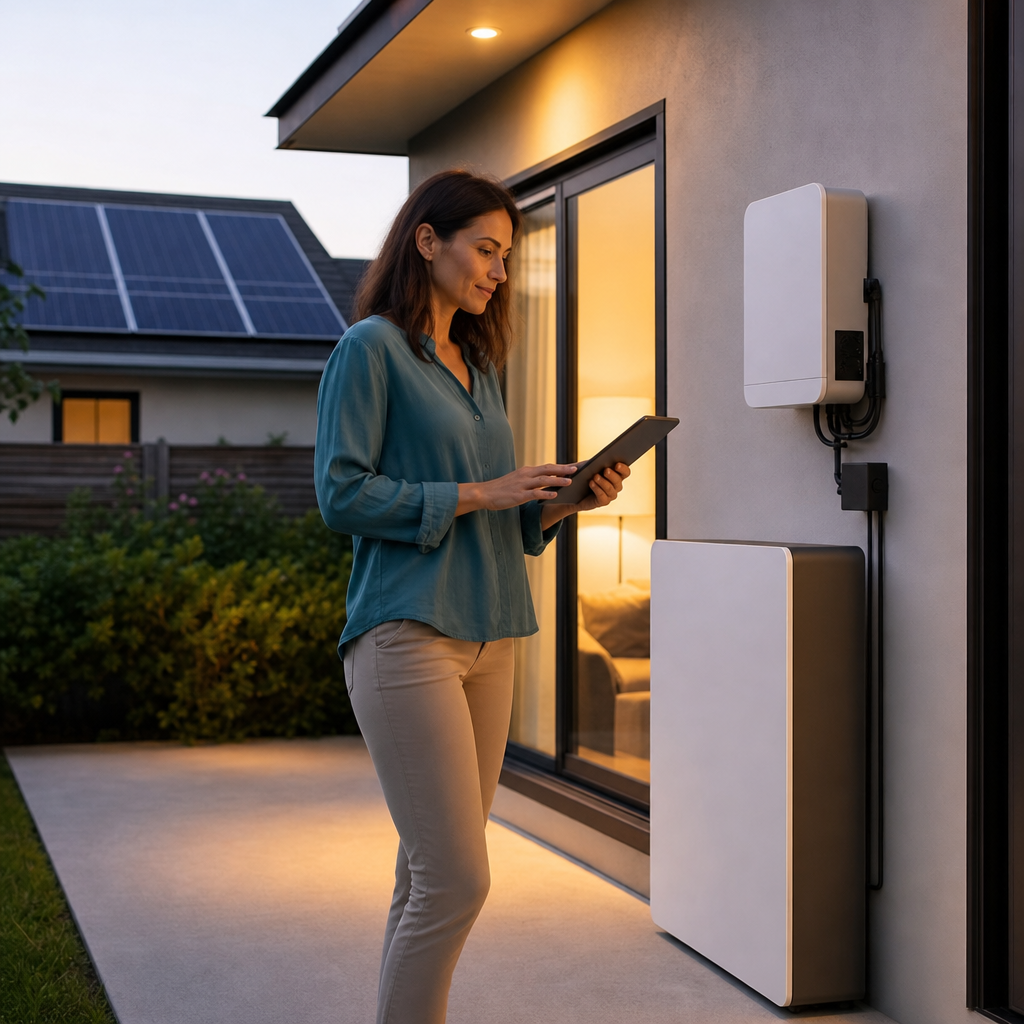
The answer depends on a homeowner's specific utility rate plan, energy usage patterns, backup power priorities, and budget. That said, for most California homeowners operating under NEM 3.0, battery storage has shifted from a "nice-to-have" option to a near-essential component of a well-designed solar system.
Consider battery storage a strong fit if you:
Battery storage may be less of a priority if your utility still offers favorable legacy net metering terms or if your household's energy usage is very low and well-matched to daytime solar production.
For homeowners ready to move forward, the general process of adding solar and battery storage typically includes:
A reputable installer should walk you through each of these steps clearly, with transparent pricing and realistic timelines, rather than rushing the process or glossing over technical details.
Even the best battery on the market will underperform if it's poorly installed or incorrectly sized. Homeowners should look for installers who offer:
www.everysun.com combines these priorities with a 20-year installation guarantee and 25-year product warranties, along with flexible payment options designed to make solar and battery storage accessible without requiring a large upfront cash outlay. This approach reflects a broader industry push toward transparent, long-term accountability rather than one-time installations with little follow-up support.
The benefits of battery storage with solar have become increasingly clear as California's energy landscape continues to evolve. With NEM 3.0 reducing the value of exported solar power, rising utility rates, and more frequent grid outages, storage has moved from an optional upgrade to a central part of a smart, future-ready home energy strategy. Battery storage allows homeowners to use more of the clean energy they generate, protect themselves financially against peak pricing, and maintain power when the grid can't be trusted.
For California homeowners weighing their options, the smartest move is to work with an installer who understands both the technical and financial sides of solar-plus-storage systems. www.everysun.com specializes in exactly that combination—pairing high-efficiency, US-made solar panels with Swedish-standard safety and installation practices, backed by long-term warranties and flexible financing, to help homeowners turn solar and battery storage into a reliable, affordable long-term investment in their home's energy future.
© 2025 Everysun Inc. All Rights Reserved.


Get Your Free Solar Quote
Request your free quote and see how solar can work for your home and budget