How to Choose the Right Solar Panels for Ranch Style Homes in California
November 26, 2026
|
California
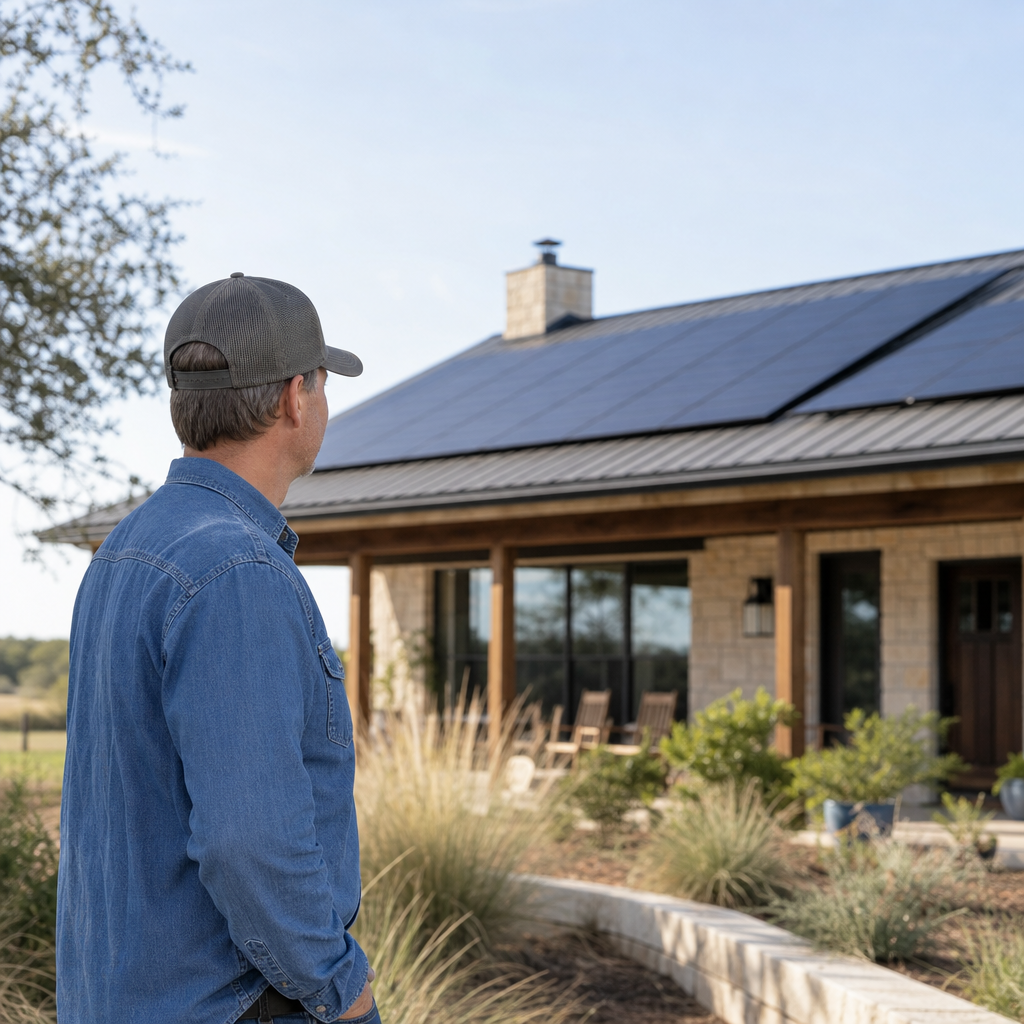
Ranch style homes are among the most common and most solar-friendly house designs in California. Their long, low rooflines, wide eaves, and single-story footprint create ideal conditions for solar panel placement—if you know how to plan around them. Yet many homeowners assume solar installation works the same way regardless of architecture, which can lead to underperforming systems or missed design opportunities unique to ranch homes.
This article walks through everything specific to installing solar panels on ranch style homes: roof orientation, panel selection, shading challenges from single-story landscaping, battery integration, and the financial numbers that matter most in 2026. Whether you're planning a new installation or upgrading an older system, understanding how ranch home architecture interacts with solar technology will help you make a smarter, more cost-effective decision.
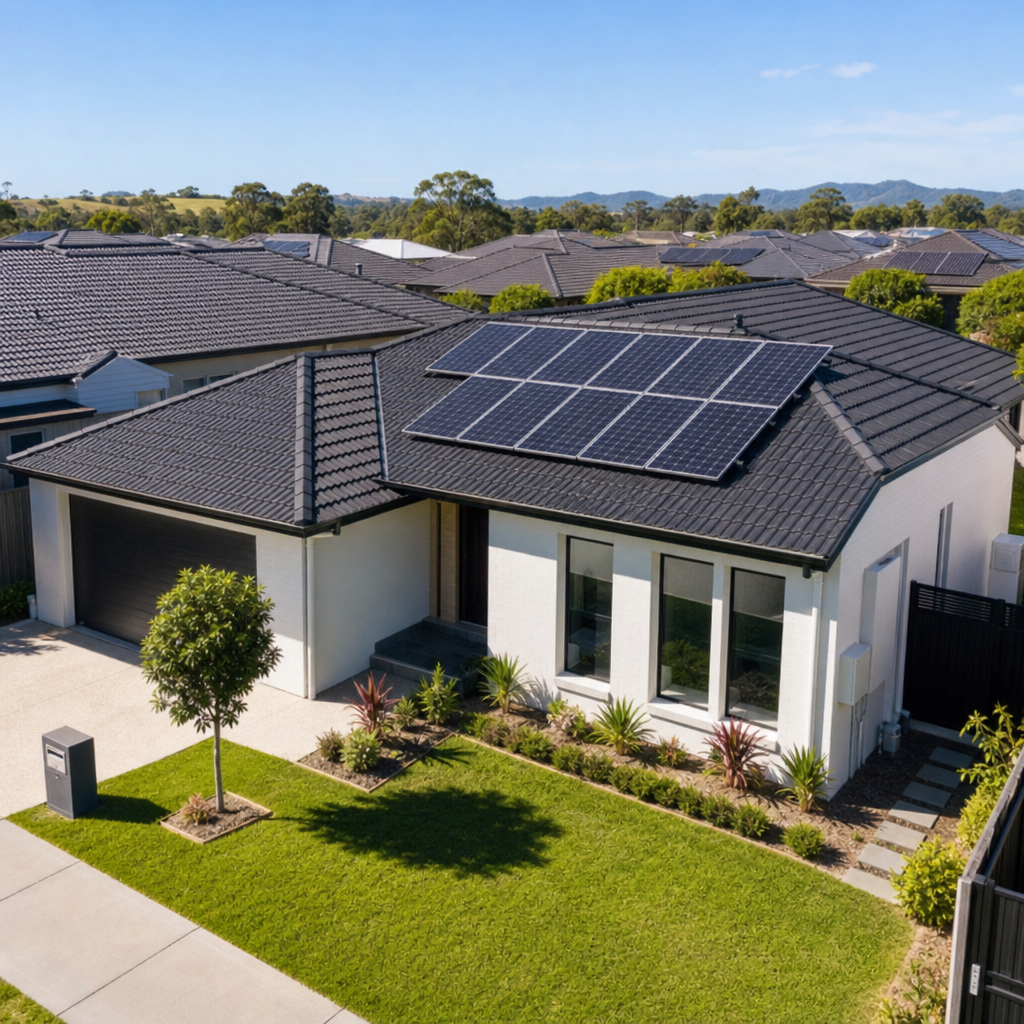
Ranch homes typically feature simple, low-pitched rooflines with large, uninterrupted surface areas—exactly the kind of canvas solar installers prefer. Unlike multi-story homes with complex dormers, steep pitches, or dozens of roof planes, a ranch roof often allows for a single, efficient array layout with minimal structural obstacles.
Key architectural advantages include:
That said, ranch homes also introduce some unique considerations. Their sprawling footprint means roofs are sometimes shaded by mature trees or neighboring two-story structures more than a taller home would be. Additionally, ranch homes built in the mid-20th century—a very common construction era in California—may have older roofing materials or electrical panels that require upgrades before installation.
Before selecting panels, a professional site assessment should evaluate three core factors: orientation, shading, and usable roof area.
1. Roof Orientation South-facing roof sections generally produce the most energy in California, followed by west and east-facing sections. Ranch homes with an east-west axis often have excellent south-facing roof area, while homes oriented north-south may need panels split across two sections.
2. Shading Analysis Because ranch homes sit low to the ground, shading from trees, fences, or two-story neighboring homes can meaningfully reduce production. A proper shading study—using tools like aerial LiDAR mapping or on-site solar pathfinders—should be part of any quote. The U.S. Department of Energy's solar resource data is a useful starting point for understanding regional sun exposure.
3. Usable Roof Area Ranch homes often have ample square footage, but HVAC units, skylights, and vents can eat into usable space. A typical 2,000 square foot ranch home may have 1,200–1,400 square feet of roof suitable for panels, which is usually more than enough for a system sized to offset full household usage.
Not all solar panels perform the same way, and ranch homes have specific layout characteristics that make certain panel types more advantageous.
| Panel Type | Efficiency Range | Best For Ranch Homes When... | Typical Cost Impact |
|---|---|---|---|
| Monocrystalline | 20–22% | Roof space is moderate and efficiency matters most | Higher upfront cost, best long-term output |
| Polycrystalline | 15–17% | Large, unshaded roof area is available | Lower upfront cost, more panels needed |
| Thin-Film | 10–13% | Specialty applications or lightweight roofing | Lowest efficiency, rarely used residentially |
| High-Efficiency US-Made Mono | 21–22.8% | Homeowners want long-term performance and warranty backing | Mid-to-high cost, strong ROI over 25 years |
Because ranch homes often have generous, simple roof planes, many homeowners are tempted to choose lower-efficiency panels to save money, reasoning that there's "plenty of room." However, higher-efficiency panels still make sense in most cases because they:
At www.everysun.com, systems are built using US-made high-efficiency monocrystalline panels combined with Swedish-engineered safety standards for mounting and electrical integration—an approach designed to maximize output on exactly the kind of simple, low-pitch rooflines found on most California ranch homes.
System sizing for a ranch home depends on three variables: average monthly electricity usage, roof capacity, and future energy needs (such as EV charging or pool equipment).
A general sizing guideline for California ranch homes:
| Average Monthly kWh Usage | Estimated System Size | Approx. Panel Count (400W panels) |
|---|---|---|
| 600 kWh | 4.5 kW | 11–12 panels |
| 900 kWh | 7 kW | 17–18 panels |
| 1,200 kWh | 9.5 kW | 23–24 panels |
| 1,500+ kWh | 12 kW+ | 30+ panels |
Homeowners planning to add an electric vehicle or pool pump within the next few years should size slightly larger than current usage to avoid a costly mid-life system expansion. The California Energy Commission provides updated guidance on sizing standards and state solar programs that can factor into planning decisions.
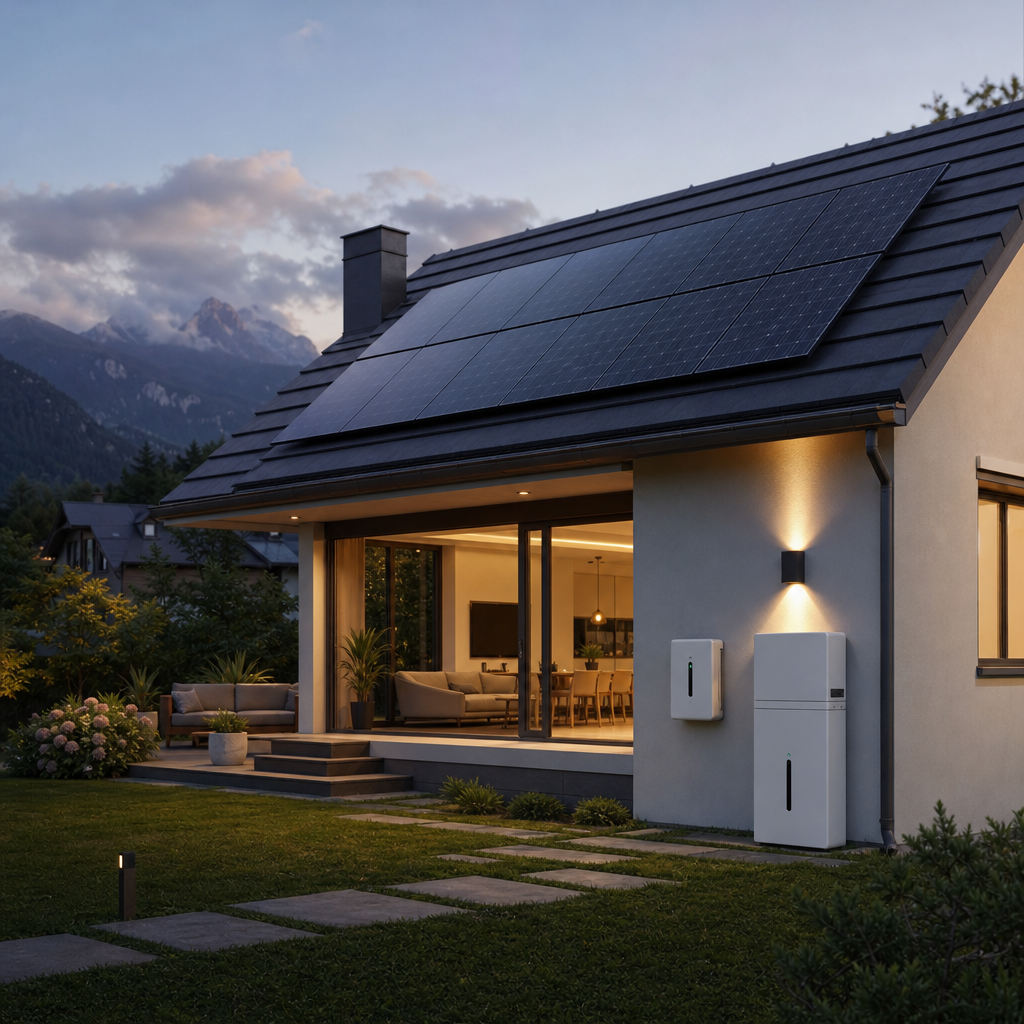
Pairing solar panels with battery storage has become increasingly common in California, particularly after changes to net metering rules under NEM 3.0, which reduced the value of exporting excess solar energy back to the grid. For ranch homeowners, batteries offer a few distinct advantages:
A well-sized battery system for a typical ranch home ranges from 10–20 kWh, depending on whether the goal is partial backup (refrigerator, lighting, internet) or whole-home backup during outages. www.everysun.com designs battery systems alongside solar arrays specifically to match a home's usage patterns and outage-resilience goals, rather than offering one-size-fits-all packages.
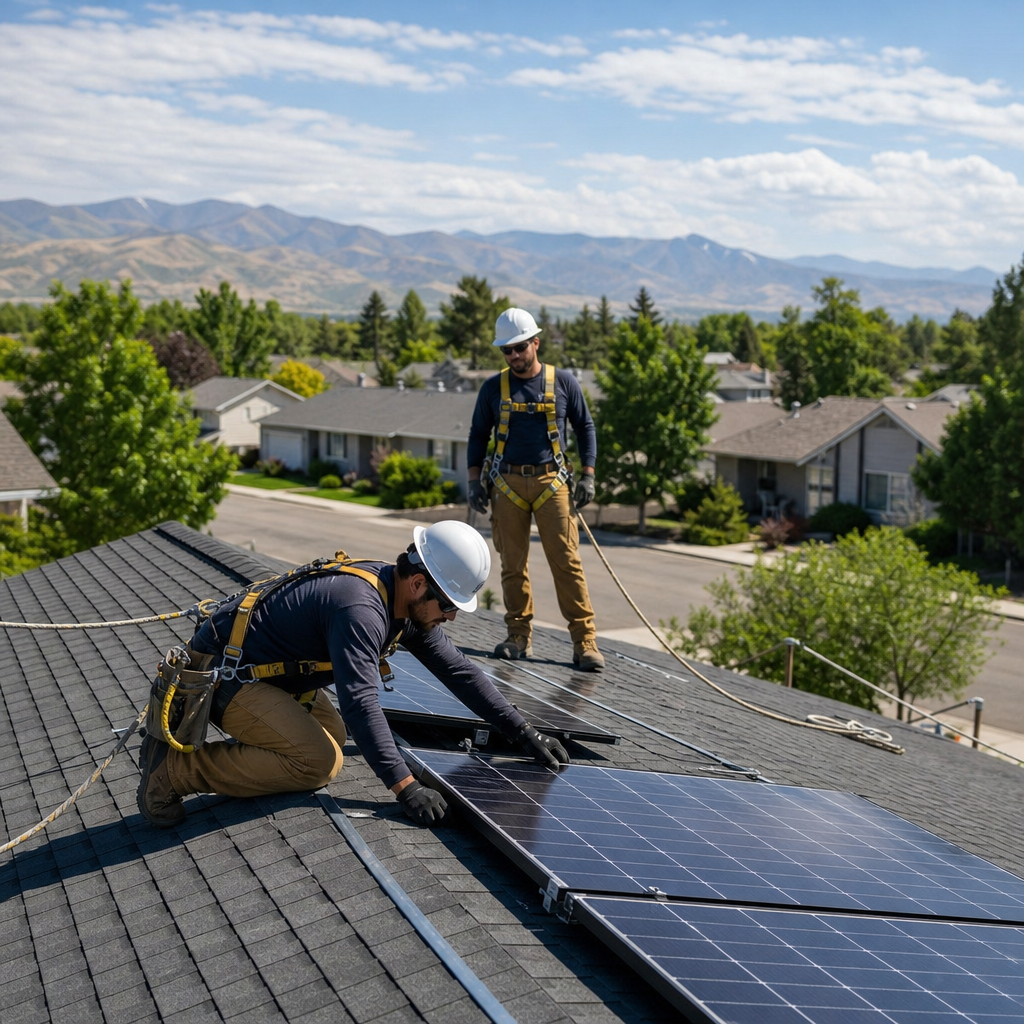
Understanding the installation timeline helps set realistic expectations, particularly for ranch homes where roof access is generally straightforward but permitting and utility interconnection can still take time.
Typical installation stages:
Total timelines in California typically range from 6–10 weeks from signed contract to full system activation, though this varies by jurisdiction and utility provider. Homeowners should ask installers directly about average turnaround times in their specific city, since permitting speed varies significantly between counties like Los Angeles, San Diego, and Sacramento.
Cost remains the top concern for most homeowners evaluating solar for a ranch home. While exact pricing depends on system size and equipment quality, understanding the baseline numbers helps set realistic budgets.
Average California solar costs by system size (2026 estimates):
| System Size | Estimated Cost Before Incentives | Estimated Cost After Federal Tax Credit |
|---|---|---|
| 5 kW | $15,000–$17,500 | $10,500–$12,250 |
| 7 kW | $19,000–$22,500 | $13,300–$15,750 |
| 10 kW | $27,000–$31,500 | $18,900–$22,050 |
The federal solar Investment Tax Credit, currently set at 30% through 2032 under the Inflation Reduction Act, remains the single largest incentive available to California homeowners. Additional savings may come from local utility rebate programs, though these vary by provider and should be confirmed directly with your utility.
Financing options have also expanded significantly in recent years. Homeowners can typically choose from:
www.everysun.com offers flexible payment plans designed around a homeowner's budget, backed by a 20-year installation guarantee and 25-year product warranties—protections that matter significantly over the multi-decade lifespan of a solar investment.
Ranch homes benefit from relatively easy maintenance access due to their low roof height, which reduces the cost and complexity of occasional cleaning or inspection. Still, homeowners should understand what ongoing care looks like:
High-quality systems with strong warranties reduce the likelihood of costly repairs. This is one reason panel and installation warranties matter as much as upfront price—a cheaper system with a shorter warranty can become more expensive over its lifetime if components fail outside of coverage.
Even with a straightforward roof layout, ranch homeowners sometimes make avoidable errors during the solar planning process:
Avoiding these mistakes typically comes down to working with an experienced, transparent installer who evaluates the whole property rather than applying a generic system design.
Ranch style homes offer some of the best natural conditions for solar installation in California—simple rooflines, ample space, and easy access all work in a homeowner's favor. The key to maximizing that advantage lies in choosing the right panel efficiency, correctly sizing the system for both current and future energy needs, and pairing it with battery storage where backup power or NEM 3.0 economics make sense.
With thoughtful planning around shading, roof condition, and financing, a ranch home can achieve strong energy independence and meaningful long-term electricity savings. www.everysun.com specializes in designing solar and battery systems tailored to a home's specific architecture, combining US-made high-efficiency panels, Swedish safety and installation standards, flexible financing, and industry-leading warranties to help California homeowners make the switch to solar with confidence and long-term peace of mind.
© 2025 Everysun Inc. All Rights Reserved.


Get Your Free Solar Quote
Request your free quote and see how solar can work for your home and budget