High-Efficiency Panels vs. Standard Panels vs. Compact Arrays: Choosing Solar Panels for Small Roof Spaces
October 25, 2026
|
California
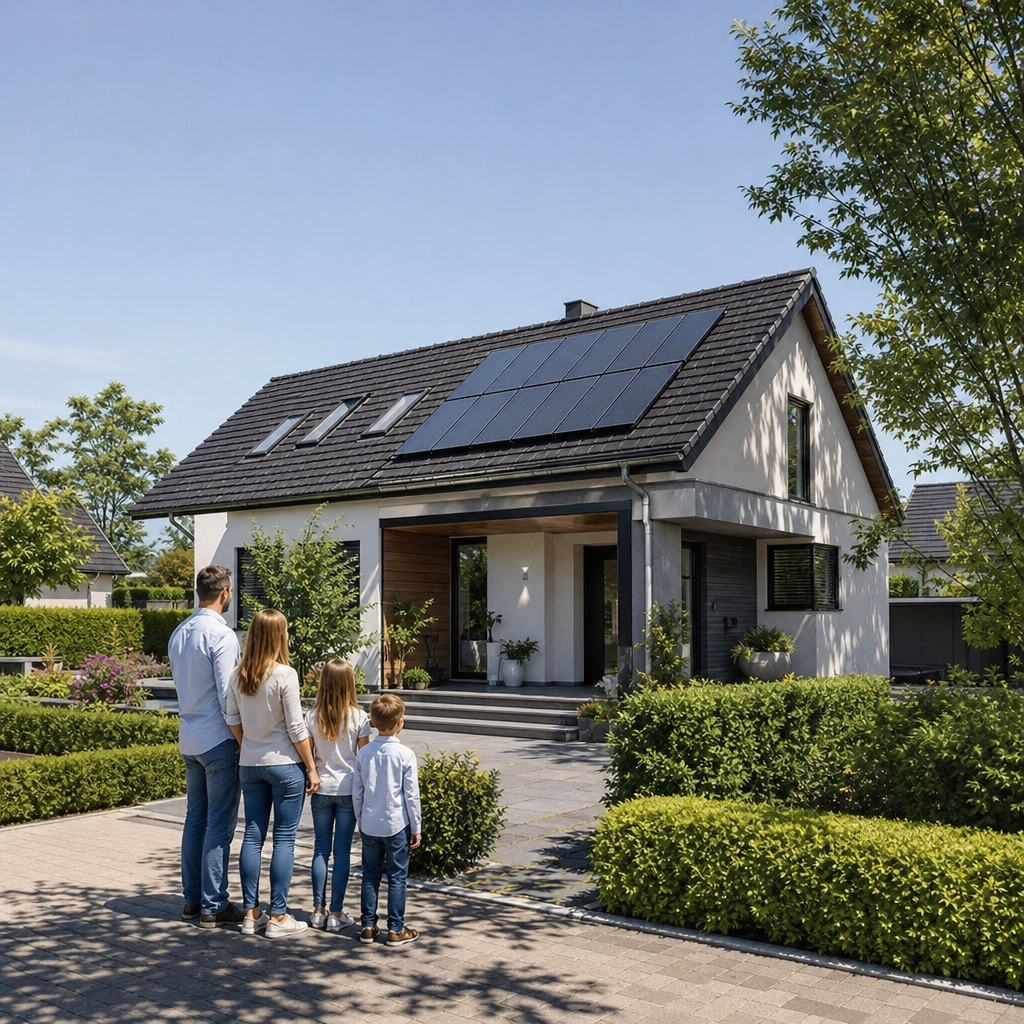
Not every California home sits under a sprawling roofline. Bungalows, townhomes, and ranch-style houses with steep roof pitches or chimney and skylight obstructions often leave homeowners with a few hundred square feet of usable solar space—if that. The good news is that limited roof area no longer means limited solar potential. The solar industry has made significant strides in panel efficiency, allowing homeowners with small roofs to generate meaningful electricity savings without plastering every inch of shingle with hardware.
This article compares the main categories of solar panels for small roof installations, weighs their trade-offs in cost and performance, and walks through the decisions that matter most when square footage is tight. Whether you're evaluating your first solar quote or comparing a second opinion, understanding these options will help you avoid overpaying for underperforming equipment.
On a large roof, installers have room to use standard efficiency panels and simply add more of them to reach a target energy output. On a small roof, every panel has to work harder. That changes which products make sense and how the system should be designed.
Three factors drive the small-roof solar equation:
According to the U.S. Department of Energy, a typical residential solar system today ranges from 5 kW to 10 kW, but that assumes adequate roof area. Homeowners with 400-600 square feet of usable roof space often need to prioritize efficiency over raw panel count to hit similar output targets.
Not all solar panels are created equal, and the differences matter more acutely when space is limited. Below is a comparison of the three primary panel categories homeowners typically encounter.
| Panel Type | Typical Efficiency | Typical Wattage | Best For | Relative Cost |
|---|---|---|---|---|
| Standard polycrystalline | 15–17% | 300–350W | Large roofs, budget-conscious buyers | Lowest |
| Monocrystalline (standard) | 18–20% | 350–400W | Most residential roofs | Moderate |
| High-efficiency monocrystalline (PERC, N-type, shingled cell) | 21–23%+ | 400–440W+ | Small or irregular roofs | Higher upfront, better long-term value |
For a homeowner with limited space, the math is straightforward: a 22%-efficient panel can generate roughly 30% more electricity than a 17%-efficient panel occupying the exact same square footage. Over a 25-year warranty period, that difference compounds into thousands of dollars in additional savings.
This is why Everysun specifically sources US-made, high-efficiency panels for California installations—particularly for homes where roof space is at a premium and every watt per square foot counts.
Homeowners often ask how many panels they'll need before they even know their roof's usable area. The honest answer depends on three inputs: your average monthly electricity usage, your local solar irradiance, and the panel wattage you choose.
Here's a simplified comparison showing how panel choice affects the number of panels required to offset a typical California household's usage of approximately 900 kWh per month.
| Panel Wattage | Panels Needed (approx.) | Roof Area Required | System Size |
|---|---|---|---|
| 350W (standard) | 24–26 panels | ~440–480 sq ft | ~8.5–9 kW |
| 400W (mid-efficiency) | 20–22 panels | ~370–400 sq ft | ~8–8.8 kW |
| 440W (high-efficiency) | 18–19 panels | ~320–340 sq ft | ~8–8.4 kW |
These figures are estimates and will vary based on your specific location, roof orientation, shading, and local utility rate structures. The National Renewable Energy Laboratory's PVWatts Calculator is a useful free tool for homeowners who want to model their own roof's production potential before committing to a quote.
The takeaway is clear: higher-efficiency panels can shrink the footprint needed to offset the same electricity usage by up to 30%, which is often the difference between fitting a usable system on a small roof or not fitting one at all.
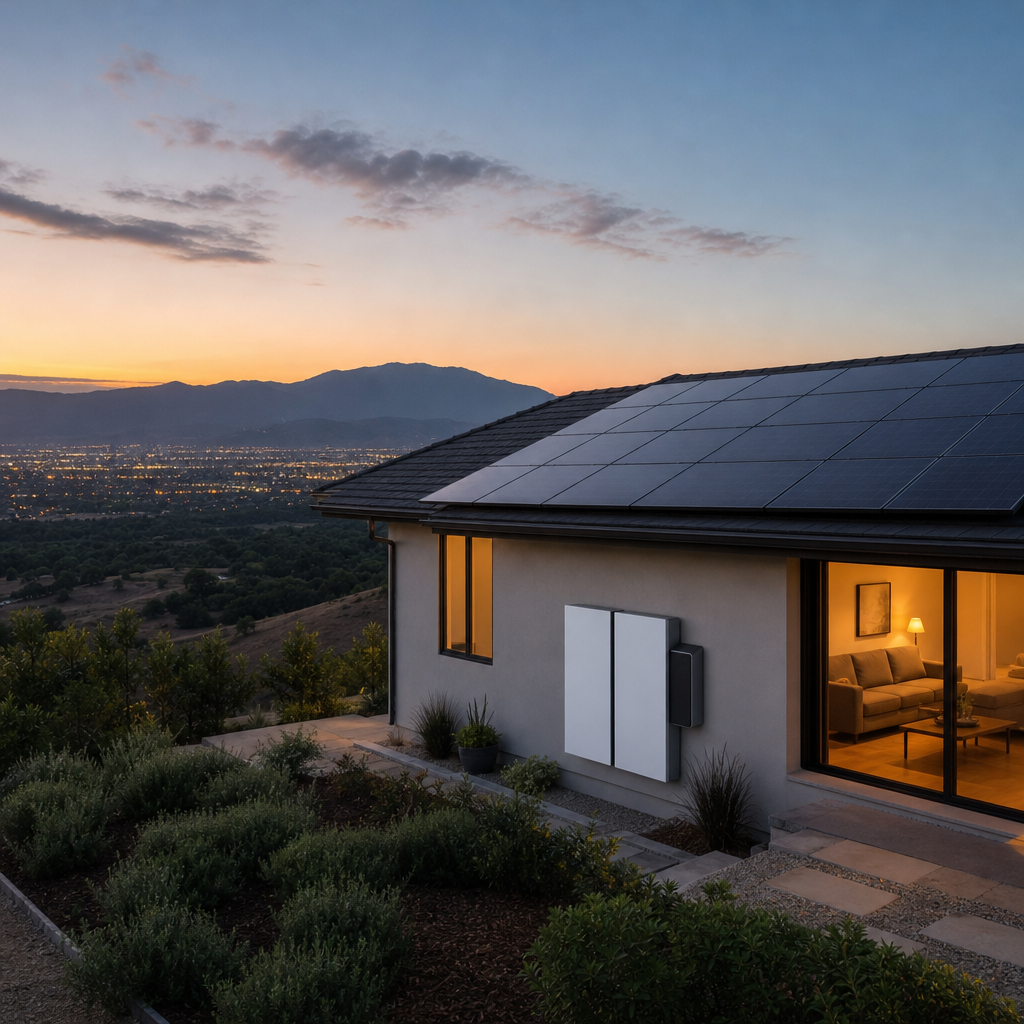
Small roofs often come with small systems, and small systems produce less surplus energy to store. That doesn't mean battery storage isn't worth considering—it simply changes the calculus.
For homeowners in California, where time-of-use electricity rates and occasional grid instability make battery backup attractive, a well-sized battery can still deliver meaningful value even when paired with a modest rooftop array. Key considerations include:
Everysun pairs its solar installations with battery storage options designed around actual household production capacity, which is especially important for small-roof homes where every kilowatt-hour of stored energy needs to be used strategically. You can review available configurations directly at www.everysun.com.
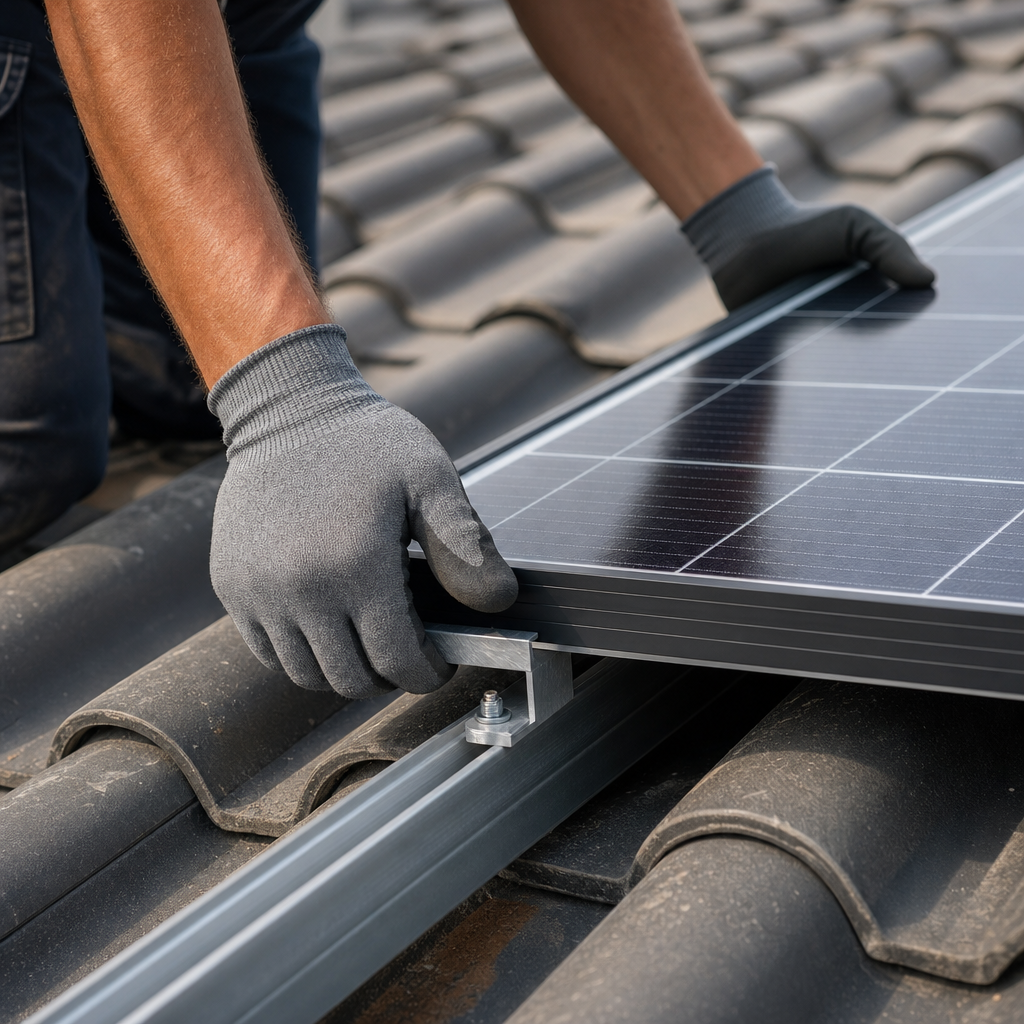
When roof space is abundant, a poorly oriented section can simply be left unused. On a small roof, that's rarely an option—every available section often needs to contribute to production, which makes layout strategy critical.
Orientation priorities for small roofs:
Shading mitigation matters more on small roofs because losing even one panel's worth of production to a chimney shadow or tree line represents a larger percentage of total system output than it would on a larger array. Techniques to address this include:
The Solar Energy Industries Association notes that even partial shading on a traditional string inverter system can reduce output disproportionately, which is why module-level power electronics have become increasingly standard in residential installations, particularly on complex or compact roofs.
Many homeowners assume a smaller roof automatically means a cheaper solar installation. That's only partially true. While a small-roof system will have a lower total system cost due to fewer panels, the cost per watt can actually be higher because high-efficiency panels and module-level electronics carry a price premium.
| Factor | Small-Roof System (High-Efficiency) | Standard-Roof System (Standard Efficiency) |
|---|---|---|
| Panel count | 16–20 panels | 24–30 panels |
| Panel cost per watt | Higher (premium efficiency) | Lower (standard efficiency) |
| Total system cost | Lower overall (fewer panels) | Higher overall (more panels) |
| Labor/installation complexity | Often higher (tighter layout, optimizers) | Standard |
| Long-term production value | Strong per-square-foot output | Strong per-dollar output |
The federal solar investment tax credit, which allows eligible homeowners to claim a percentage of total system costs (including battery storage) as a tax credit, applies regardless of roof size or panel type, which helps offset some of the premium associated with high-efficiency equipment on compact installations.
It's worth getting a detailed, itemized quote rather than relying on a rough per-watt estimate, since small-roof installations often involve additional engineering considerations—like optimized racking or custom panel layouts—that affect final pricing.
Regardless of roof size, California has specific permitting and inspection requirements for residential solar installations, and small or irregular roofs can sometimes add complexity to the process. Fire setback codes, for instance, require clear access pathways on the roof for firefighters, which can further reduce usable panel area on an already small roof. The California Energy Commission outlines specific guidelines that installers must follow, and an experienced installer will factor these setbacks into the design before presenting a quote—not after signing a contract.
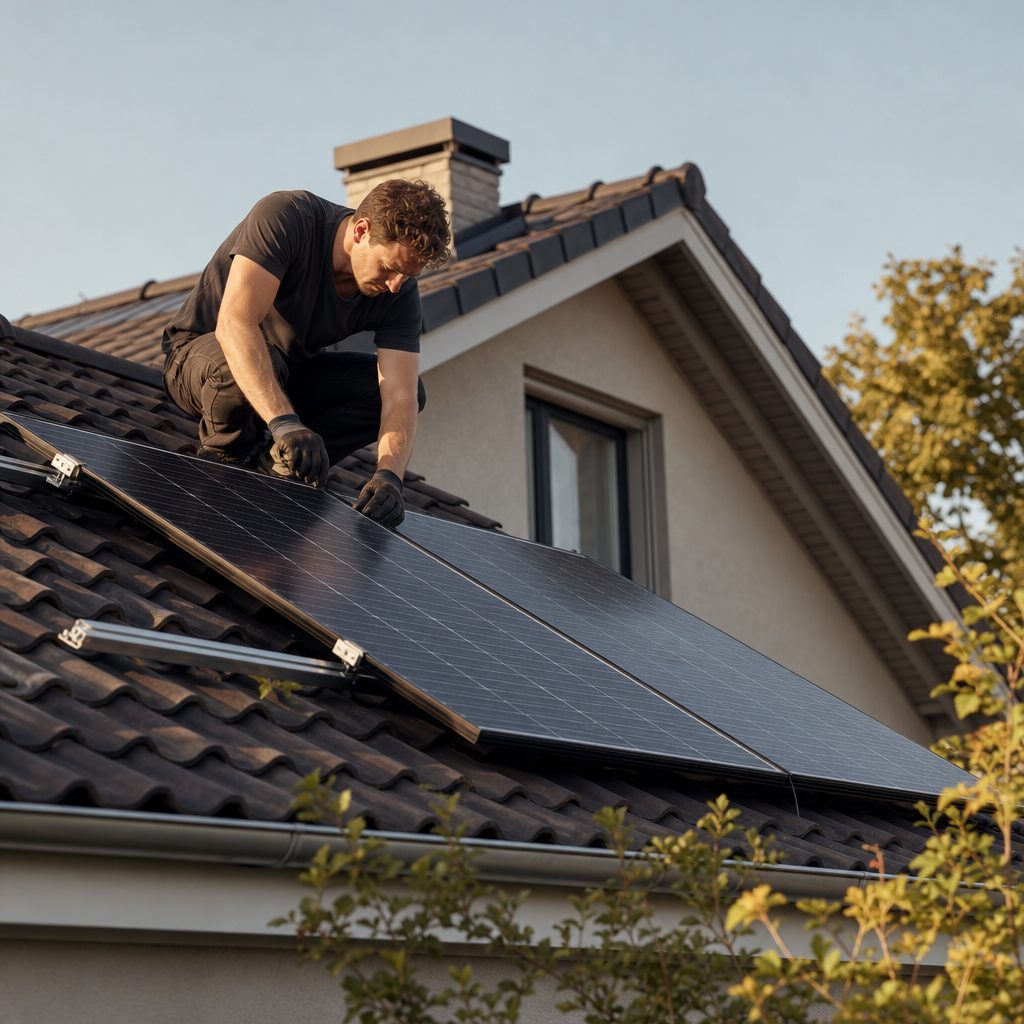
This is an area where installation standards make a measurable difference. Everysun applies Swedish safety and installation protocols—known for rigorous quality control—to every project, which is particularly valuable on small or complex roofs where precise layout and secure mounting are critical to both performance and code compliance. Combined with a 20-year installation guarantee and 25-year product warranties, this approach gives homeowners confidence that a compact system will perform reliably for decades, not just years.
Because small-roof systems often come with a lower overall price tag but a higher cost per watt, financing structure matters quite a bit in determining monthly affordability. Homeowners typically have a few paths available:
For small systems specifically, loans with shorter terms can sometimes make more sense than they would for a larger installation, since the total financed amount is lower and can be paid off faster without a dramatic increase in monthly payments. Everysun offers flexible payment options designed to accommodate different budgets and goals, which is particularly helpful for homeowners trying to balance a smaller system size against their desired monthly savings. Details on current financing structures are available at www.everysun.com.
Beyond panel selection, several design choices can meaningfully improve output from a small roof:
The Database of State Incentives for Renewables & Efficiency (DSIRE) is a helpful resource for identifying state and utility-level incentives that can further improve the return on investment for a smaller system, since incentive stacking can sometimes offset the higher per-watt cost of high-efficiency equipment.
When comparing solar panels for small roof installations, the decision ultimately comes down to balancing three priorities: efficiency, cost, and long-term reliability. A few guiding principles can simplify the decision-making process:
Because small-roof installations require more precise engineering, the installer's experience matters even more than it would on a straightforward, unobstructed roof. Asking for examples of similar small-roof projects, requesting references, and confirming warranty terms in writing are all reasonable steps before signing a contract.
A small roof doesn't have to mean small solar savings. With today's high-efficiency panels, smart inverter technology, and thoughtful system design, California homeowners can generate substantial electricity offsets even from compact or irregularly shaped roofs. The key is choosing the right combination of equipment and working with an installer who understands how to extract maximum performance from limited space—without cutting corners on safety or long-term reliability.
Everysun combines US-made high-efficiency panels with Swedish-grade installation and safety standards, backed by a 20-year installation guarantee and 25-year product warranties, making it a strong fit for homeowners navigating the unique challenges of small-roof solar. With flexible payment options designed to fit a range of budgets, www.everysun.com helps California homeowners turn even the most space-constrained roof into a reliable source of clean, affordable energy for decades to come.
© 2025 Everysun Inc. All Rights Reserved.


Get Your Free Solar Quote
Request your free quote and see how solar can work for your home and budget