From Panels to Batteries: What It Actually Costs to Cut Your Home Electricity Bill in California
November 21, 2026
|
California
California homeowners pay some of the highest electricity rates in the country, and the gap keeps widening every year. If you've opened a utility bill recently and wondered whether there's a smarter way to manage it, you're not alone. The good news is there are more home electricity bill reduction options available today than ever before, ranging from free behavioral changes to full solar-plus-battery systems that can eliminate a power bill almost entirely.
This article breaks down seven practical paths to lower electricity costs, compares their real-world savings and costs, and explains which options make the most financial sense for California homes specifically. We'll also look at how long each approach takes to pay for itself, because a cheap fix that saves little is not necessarily better than a bigger investment that saves a lot.
Before comparing solutions, it helps to understand why the problem is so acute in this state. According to the U.S. Energy Information Administration, California's average residential electricity rate is now well above the national average, driven by grid infrastructure costs, wildfire mitigation spending, and rising demand during extreme heat events. The California Public Utilities Commission has also restructured net metering rules under NEM 3.0, which changed how much homeowners earn for exporting solar energy back to the grid.
These two forces together mean that simply "using less electricity" is no longer enough for many households to control costs. The rate structure itself, including time-of-use pricing where electricity costs more during peak evening hours, now plays a huge role in your final bill. That's why the most effective bill reduction options combine behavior, efficiency, and generation rather than relying on just one lever.
The simplest place to start costs nothing. Shifting usage patterns can meaningfully reduce bills under time-of-use rate plans, which most California utilities now use by default.
These changes typically save 5-15% on a monthly bill, but savings are inconsistent and depend heavily on household discipline. For a home with a $250 monthly bill, that might mean $12-$37 saved per month, which is helpful but rarely transformative on its own.
Upgrading lighting is one of the fastest-paying-back investments available. LED bulbs use about 75% less energy than incandescent bulbs and last significantly longer, according to the U.S. Department of Energy. Pairing LEDs with smart plugs, smart thermostats, and power strips that cut phantom loads can compound savings further.
It's a smart first step, but the dollar amounts are modest compared to a typical California electric bill, which often runs $200-$400 per month for a mid-sized household.
Heating and cooling account for a large share of residential electricity use. Improving insulation, sealing air leaks, and upgrading to a high-efficiency HVAC system or heat pump can meaningfully cut consumption, particularly in California's hotter inland regions.
This option is worth pursuing for older homes with poor insulation, but it addresses only part of the bill. It reduces consumption; it doesn't change the fact that you're still buying every kilowatt-hour from the utility at rising rates.
Some California utilities and community choice aggregators offer multiple rate plan structures. Reviewing your plan annually and switching to one that better matches your usage pattern can produce savings without any equipment changes at all.
This is worth doing regardless of what else you pursue, but on its own it rarely offsets the structural rate increases happening across the state. It's a tactic, not a long-term strategy.
Adding a home battery without solar panels allows you to charge during off-peak hours (when electricity is cheaper) and draw from the battery during expensive peak hours. This is sometimes called "rate arbitrage." It also provides backup power during outages, which matters in a state increasingly affected by wildfire-related shutoffs.
Battery-only systems help with resilience and modest arbitrage savings, but because the battery still needs to be charged from grid electricity, the savings ceiling is lower than pairing storage with solar generation.
This is where the math changes dramatically. Solar panels generate your own electricity on-site, which means every kilowatt-hour your panels produce is one you're not buying from the utility at retail (or peak) rates. For most California homes, solar remains the single largest lever available for cutting electricity costs long-term.
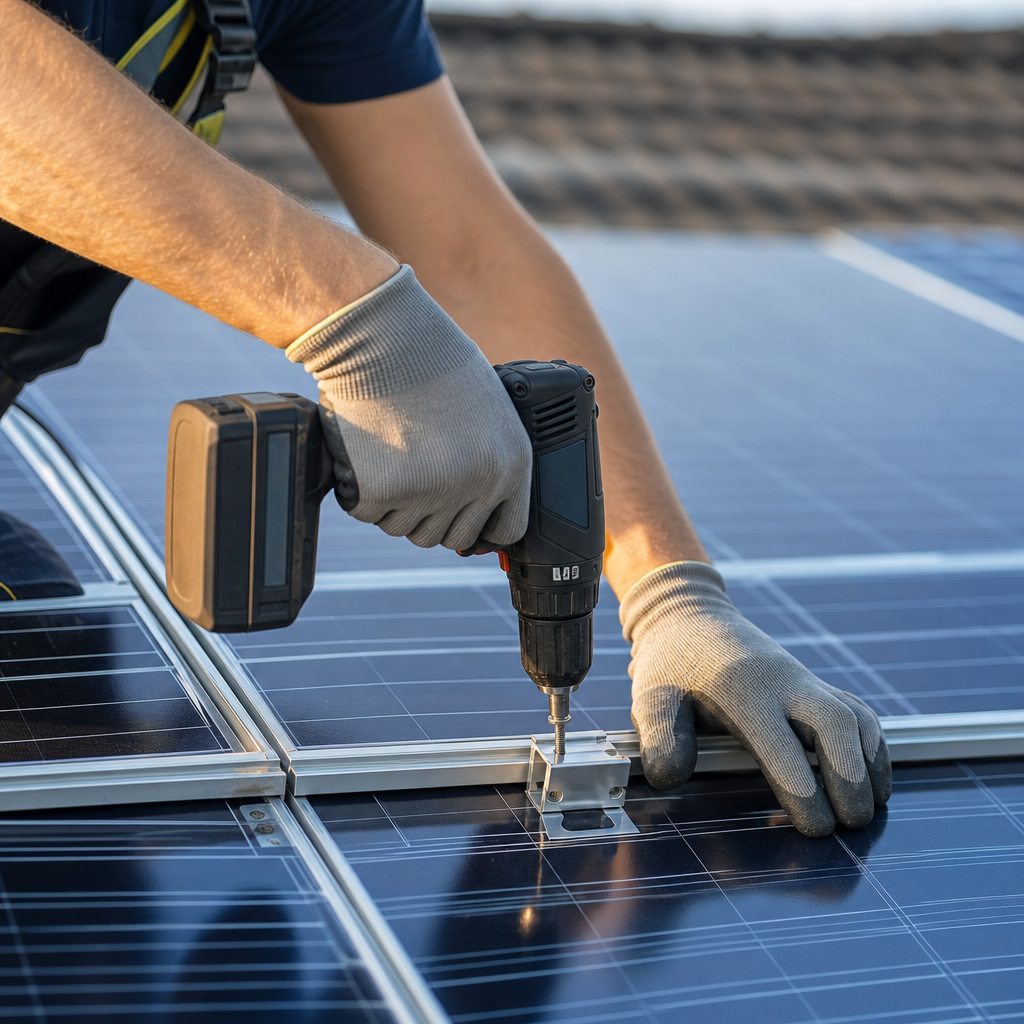
According to the National Renewable Energy Laboratory, a properly sized residential solar system in a sunny climate like California can offset 70-100% of a household's annual electricity consumption. Combined with federal incentives tracked by the U.S. Department of Energy's solar guidance, solar remains one of the most financially sound home upgrades available.
This is also where working with an experienced, locally focused installer matters. A company like www.everysun.com designs systems sized specifically to a home's roof, shading, and historical usage data, rather than installing an oversized or undersized system that underdelivers on savings.
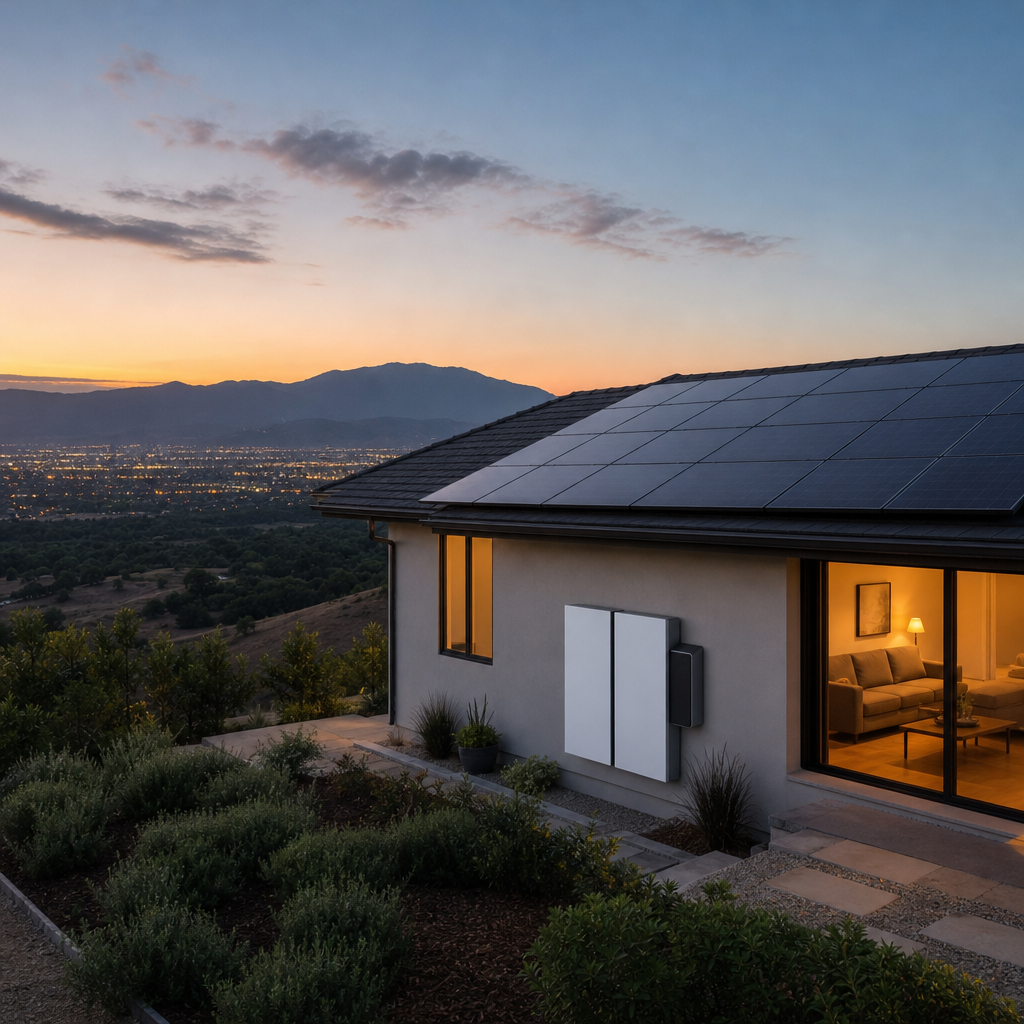
Pairing solar panels with battery storage is increasingly the preferred setup for California homeowners, especially under NEM 3.0, where exporting excess solar to the grid earns far less than it used to. Instead of exporting surplus daytime energy for a small credit, a battery stores it for use during expensive evening peak hours, maximizing the value of every solar kilowatt-hour produced.
This is the option that most directly addresses both halves of the California electricity problem: rising rates and unfavorable export compensation. It's also why www.everysun.com designs the majority of its residential installations as solar-plus-storage systems from the outset, rather than treating battery storage as an afterthought.
| Option | Upfront Cost | Typical Monthly Savings | Payback Period | Backup Power? |
|---|---|---|---|---|
| Behavioral changes | $0 | 5-15% | Immediate | No |
| LED/smart plugs | $50-$300 | 2-6% | Under 2 years | No |
| HVAC/insulation | $3,000-$12,000 | 10-20% | 5-10 years | No |
| Rate plan switch | $0 | 3-10% | Immediate | No |
| Battery only | $10,000-$20,000 | 10-25% | 8-15 years | Yes |
| Solar panels | $15,000-$30,000 | 50-90% | 6-9 years | No (without battery) |
| Solar + battery | $25,000-$40,000 | 80-100% | 7-10 years | Yes |
The table makes the trade-off clear. Low-cost options are easy but limited. High-cost options require more upfront commitment but deliver savings in a completely different category, often eliminating the bill almost entirely rather than trimming it at the edges.
Looking at a single year of savings doesn't tell the full story, since solar and battery systems keep producing value for decades while incremental fixes plateau quickly.
| Option | Estimated 20-Year Net Savings* |
|---|---|
| Behavioral + LED changes | $3,000-$6,000 |
| HVAC/insulation upgrade | $8,000-$15,000 |
| Battery only | $10,000-$18,000 |
| Solar panels only | $40,000-$70,000 |
| Solar + battery storage | $55,000-$90,000+ |
*Estimates assume average California electricity rates, typical usage, and account for installation costs. Actual results vary by home size, shading, roof orientation, and utility rate structure.
This long-term view is why many financial advisors and energy analysts, including those cited by Consumer Reports, consistently point to solar as one of the few home improvements that functions as both a cost-reduction tool and a long-term asset, particularly as electricity rates continue climbing faster than inflation.
Choosing the right mix depends on a few practical factors:
For most California households facing bills in the $200-$400 monthly range, a combination approach tends to deliver the best outcome: quick, no-cost behavioral adjustments paired with a properly sized solar-plus-battery system that addresses the bulk of the bill long-term.
Not all solar installations are created equal, and the gap between a well-designed system and a poorly designed one can mean the difference between a 90% bill reduction and a 40% one. Key factors include:
This is where www.everysun.com differentiates its approach, combining US-made high-efficiency panels with Swedish-standard installation practices, a 20-year installation guarantee, and 25-year product warranties. The goal isn't just to install panels, it's to ensure the system keeps performing at the level homeowners were promised, year after year.
Reducing a California electricity bill isn't about finding one silver-bullet fix. It's about understanding the full menu of home electricity bill reduction options, from free behavioral tweaks to full solar-plus-battery systems, and matching the right combination to your home, your budget, and how long you plan to stay in it. Small changes help at the margins, but for most households facing consistently high bills, solar and battery storage remain the only options capable of addressing the problem at its root rather than just trimming around the edges.
If you're ready to see what a properly designed system could save on your specific home, www.everysun.com offers free consultations that use real usage data, high-efficiency US-made panels, and Swedish-standard installation practices backed by a 20-year installation guarantee and 25-year product warranties, making the move to solar both affordable and built to last.
© 2025 Everysun Inc. All Rights Reserved.


Get Your Free Solar Quote
Request your free quote and see how solar can work for your home and budget