6 Reasons Solar Battery Storage for Power Outages California Homeowners Trust Most
November 19, 2026
|
California
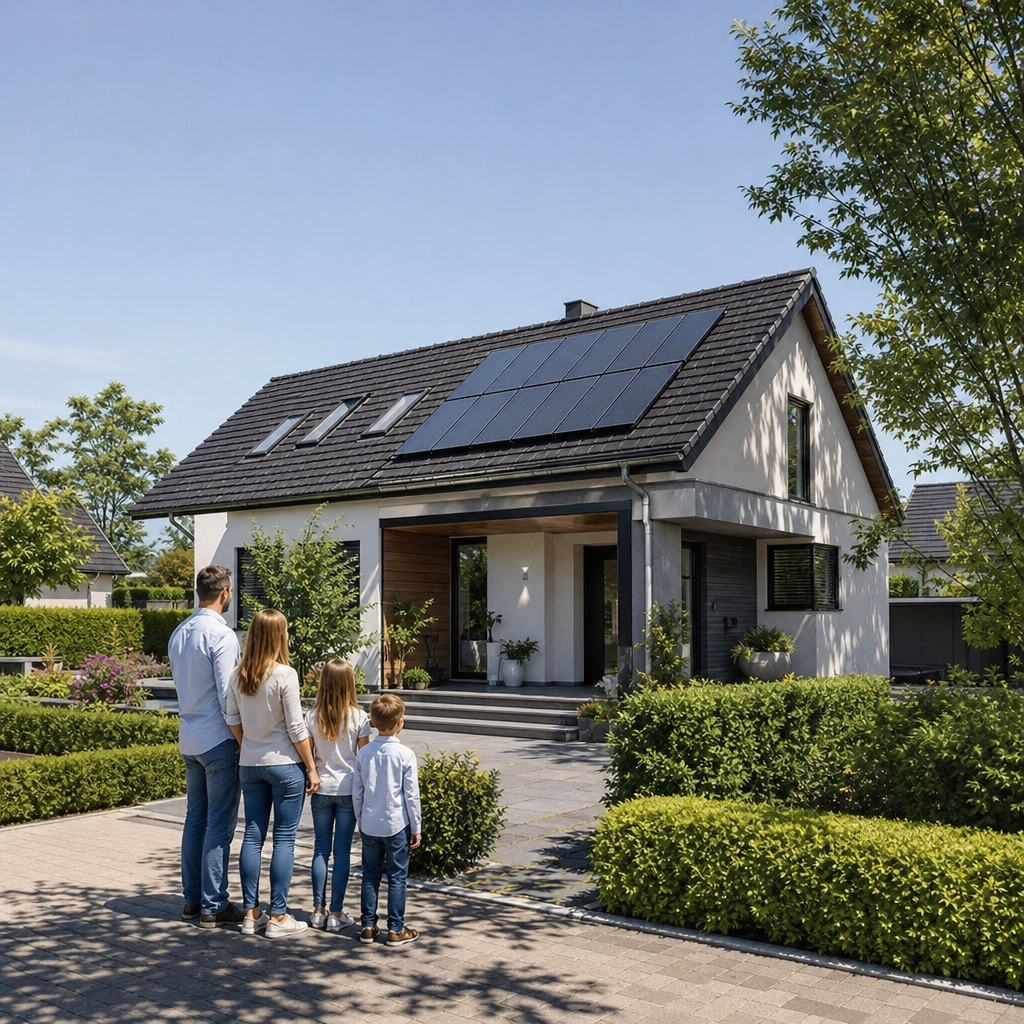
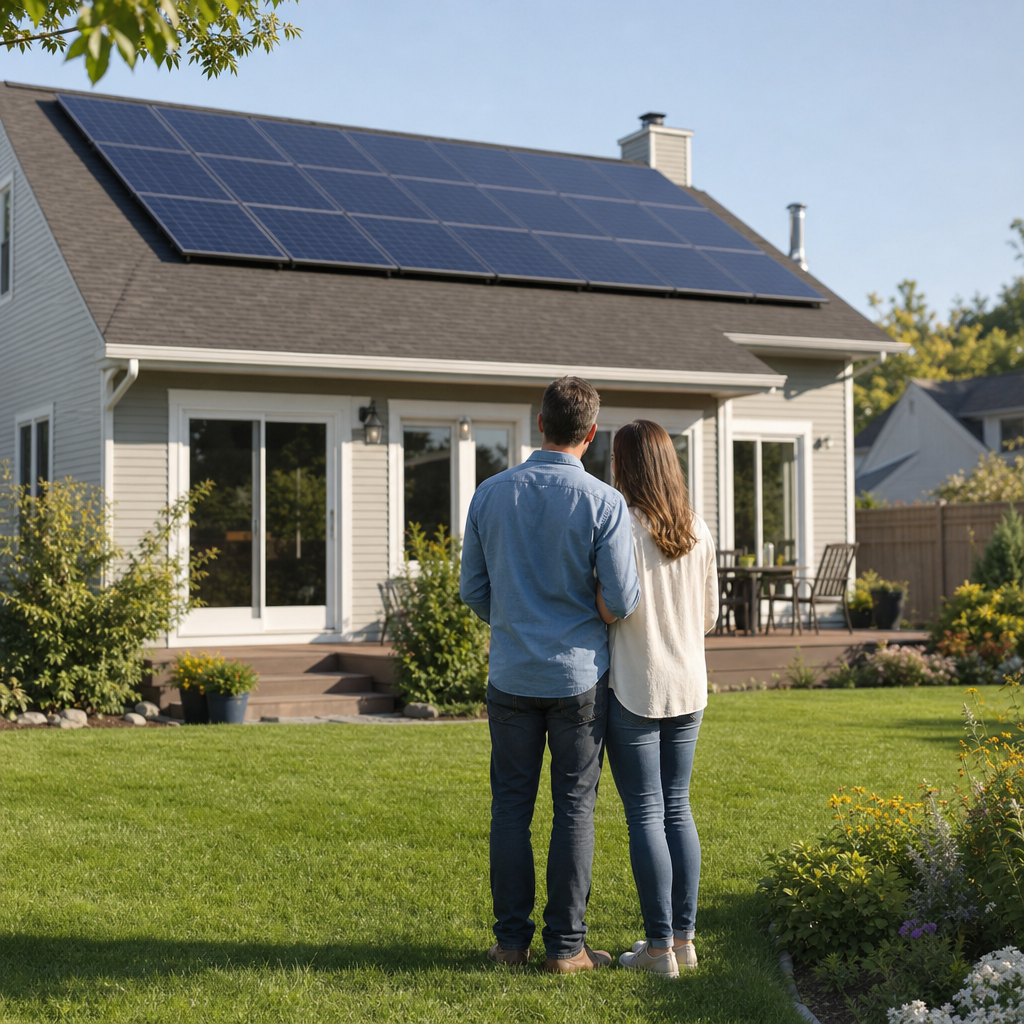
California homeowners know the drill: high winds, wildfire risk, or grid strain, and suddenly the power is out for hours or even days. Public Safety Power Shutoffs (PSPS) and aging grid infrastructure have made outages a predictable part of life in many counties, from the Sierra foothills to the suburbs of San Diego. As a result, more homeowners are pairing solar panels with battery storage to keep their lights, refrigerators, and medical equipment running when the grid goes down.
This article breaks down exactly how solar battery storage for power outages works in California, what it costs, how it compares to generators, and what to look for when choosing a system. Whether you already have solar panels or are starting from scratch, understanding your backup power options is essential for making a smart, long-term investment in your home's resilience.
California's unique combination of wildfire risk, extreme heat events, and an aging transmission grid has made power interruptions far more frequent than in most other states. Utilities like PG&E, SCE, and SDG&E routinely initiate Public Safety Power Shutoffs during high-wind conditions to reduce wildfire ignition risk, sometimes cutting power to hundreds of thousands of customers at once.
According to the U.S. Energy Information Administration, California experiences some of the highest average outage durations in the country, driven largely by weather-related events. For homeowners, this means:
Without a resilient power source, a single outage can mean lost wages, spoiled groceries, or worse. That is why solar battery storage has moved from a luxury upgrade to a practical necessity for many California households.
A home battery storage system stores excess electricity generated by your solar panels during the day so it can be used at night or during a grid outage. When paired with the right equipment, your home can automatically switch to battery power within milliseconds of a grid failure, often without you even noticing the transition.
Here's the basic sequence during a power outage:
This is fundamentally different from a solar system without storage, which automatically shuts off during a grid outage for safety reasons. That means panels alone, without a battery, will not keep your lights on when the grid fails. If backup power during outages is your priority, battery storage isn't optional; it's the entire point.
Companies like www.everysun.com design systems specifically to maximize this seamless backup transition, using Swedish-standard safety protocols combined with US-made battery and panel components to ensure reliability when it matters most.
Not all batteries are created equal. Capacity, chemistry, warranty length, and compatibility with your existing solar system all matter. Below is a comparison of some of the most widely installed residential battery systems in California as of 2026.
| Battery System | Usable Capacity | Peak Power Output | Warranty | Typical Use Case |
|---|---|---|---|---|
| Tesla Powerwall 3 | 13.5 kWh | 11.5 kW continuous | 10 years | Whole-home backup, high solar integration |
| Enphase IQ Battery 5P | 5 kWh (stackable) | 7.6 kW peak | 15 years | Modular expansion, flexible sizing |
| LG Chem RESU Prime | 16 kWh | 7 kW peak | 10 years | High-capacity daily cycling |
| Generac PWRcell | 9–18 kWh (modular) | 9 kW peak | 10 years | Generator-hybrid backup setups |
Most California homes pair one or two of these units with their solar array, depending on household energy consumption and the number of circuits they want backed up. For a deeper look at how system design affects performance, it helps to work with a company that walks you through a full home energy audit rather than a one-size-fits-all package. Everysun, for instance, bases its battery recommendations on actual household load data rather than generic estimates, which often leads to better-sized systems and fewer surprises during real outages.
Many homeowners initially consider a gas or propane generator as their backup power solution. While generators have their place, they come with trade-offs that battery storage systems avoid entirely.
| Factor | Solar Battery Storage | Gas/Propane Generator |
|---|---|---|
| Fuel dependency | None (recharges via solar) | Requires constant fuel supply |
| Noise level | Silent operation | Loud, often 60–70 dB |
| Maintenance | Minimal, no moving parts | Regular oil changes, tune-ups |
| Emissions | Zero emissions | Carbon monoxide risk, pollution |
| Runtime during extended outage | Extended via daily solar recharge | Limited by fuel storage |
| Upfront cost | Higher initial investment | Lower initial investment |
| Indoor safety | Safe for enclosed installation | Must be operated outdoors |
Generators can run out of fuel during extended multi-day outages, and fuel shortages are common during major wildfire events when many households are competing for the same limited gas supply. Solar batteries, by contrast, recharge every day the sun is out, making them a more sustainable option for prolonged situations. The California Public Utilities Commission has also noted the growing role of distributed battery storage in reducing strain on the grid during peak demand events, which benefits not just individual homeowners but the broader electrical system.
That said, some households use a hybrid approach, pairing a smaller battery system with a backup generator for extended cloudy-weather outages. This is becoming more common in areas with frequent multi-day PSPS events, such as parts of the Sierra Nevada foothills and wine country.
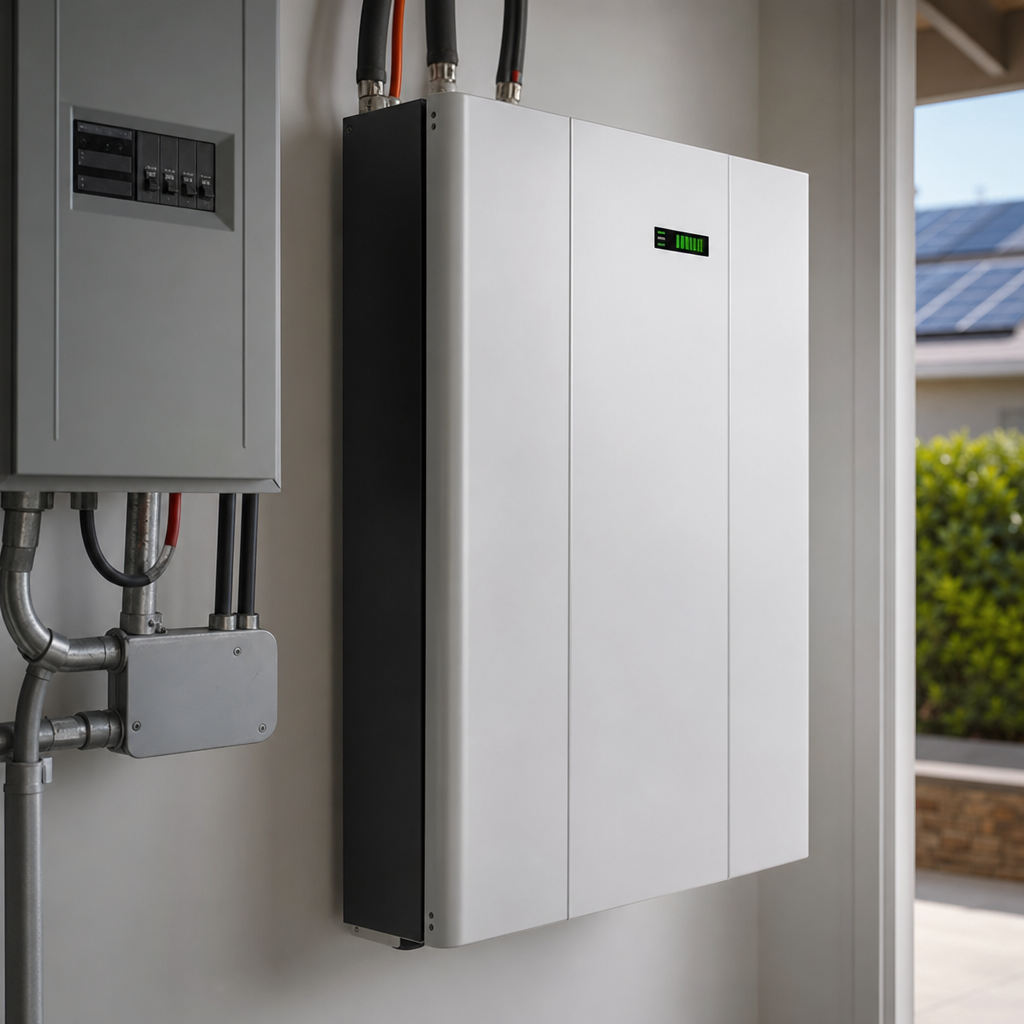
Choosing the right battery capacity isn't just about picking the biggest model available. It depends on your household's energy habits, the appliances you want to keep running, and how long you expect outages to last in your area.
Key factors that influence sizing include:
A properly sized system should be based on an actual consultation and load analysis, not a generic package. This is one reason www.everysun.com emphasizes personalized system design, using 25-year product warranties and a 20-year installation guarantee to ensure the system you install today still performs reliably well into the future. Oversizing wastes money, while undersizing leaves you without power when you need it most, so getting this calculation right matters more than almost any other decision in the process.
Battery storage costs have declined over the past several years, but the technology still represents a significant investment. As of 2026, most California homeowners can expect to pay the following for a typical residential setup.
| Component | Estimated Cost Range |
|---|---|
| Single battery unit (10–13 kWh) | $9,000–$15,000 installed |
| Solar panel system (6–8 kW) | $15,000–$24,000 installed |
| Combined solar + battery system | $22,000–$35,000 installed |
| Annual maintenance | $0–$300 (most systems are low-maintenance) |
Several incentive programs can significantly offset these costs:
Beyond the financial incentives, there's a resilience value that's harder to quantify but very real: the ability to keep your household running during an emergency, protect vulnerable family members, and avoid the cascading costs of spoiled food, lost income, or hotel stays during multi-day outages. Flexible financing options, like the ones offered through www.everysun.com, can also make the upfront cost more manageable by spreading payments over time while still benefiting from immediate electricity savings.
Before signing a contract with any solar and battery installer, it's worth asking a few pointed questions to make sure you're getting a system built for genuine reliability, not just a sales pitch.
Reputable installers should be able to answer every one of these questions clearly and confidently. If a company hesitates on safety certifications or warranty terms, that's a red flag. Installation quality matters just as much as equipment quality: even the best battery performs poorly if wiring, panel placement, or inverter configuration are handled carelessly. This is why installation standards, not just product specs, should weigh heavily in your decision.
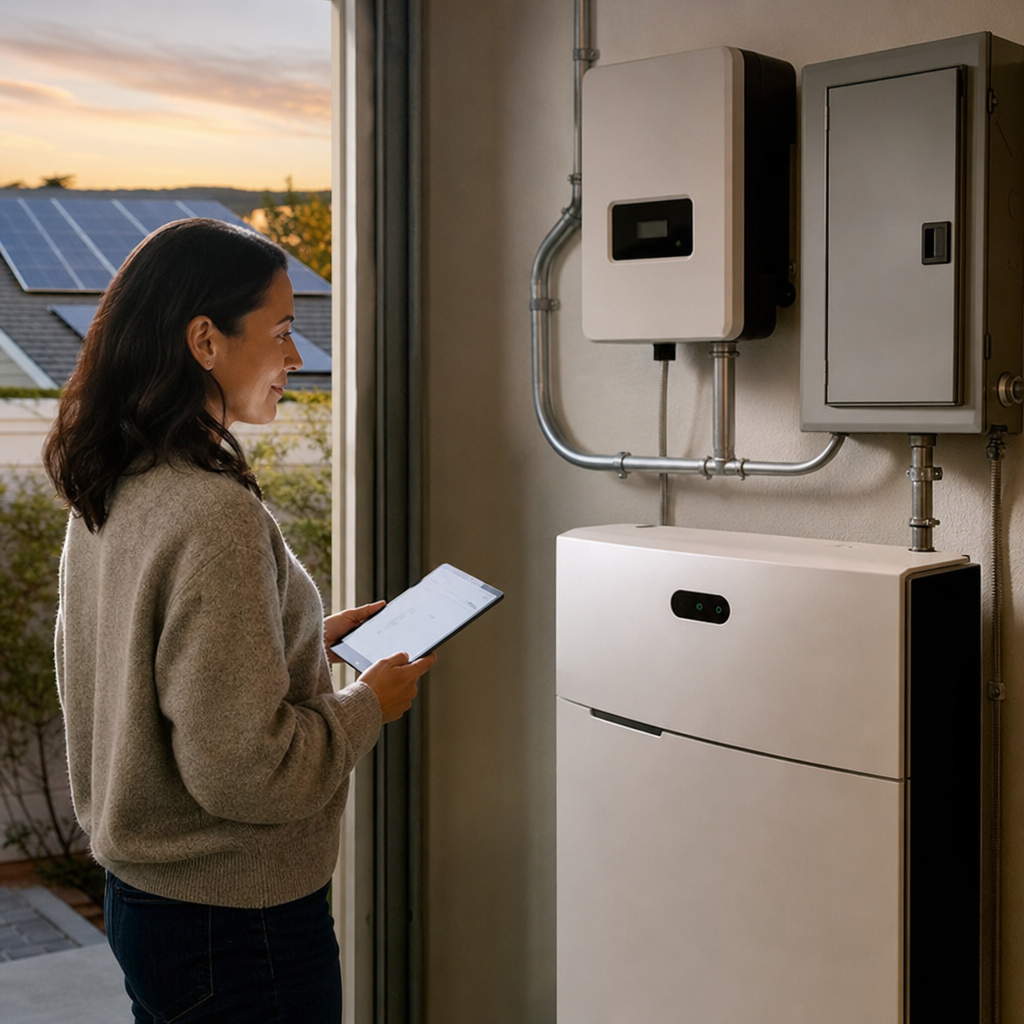
Power outages in California are no longer rare, isolated events; they are a recurring reality shaped by wildfire prevention policies, climate pressures, and grid limitations. Solar battery storage offers a clean, quiet, and increasingly affordable way to keep your home running when the grid can't. By understanding how these systems work, how they compare to alternatives like generators, and how to size and finance them properly, you can make a confident, well-informed investment in your household's energy security.
Everysun combines US-made, high-efficiency solar panels with Swedish safety and installation standards to deliver systems built for California's specific challenges. With flexible payment options, a 20-year installation guarantee, and 25-year product warranties, www.everysun.com helps homeowners move beyond simply going solar to building genuine, lasting energy resilience, so the next outage is nothing more than a brief inconvenience rather than a household emergency.
© 2025 Everysun Inc. All Rights Reserved.


Get Your Free Solar Quote
Request your free quote and see how solar can work for your home and budget