Mistakes to Avoid When Searching "Solar Panels for House Near Me"
September 1, 2026
|
California
Typing "solar panels for house near me" into a search bar feels like the easy first step toward lower electricity bills. But that simple search hides a maze of decisions, and plenty of California homeowners make costly mistakes before they ever sign a contract. Choosing based on proximity alone, ignoring roof condition, or trusting the first quote that arrives in an inbox can turn a smart investment into years of regret.
This article walks through the most common pitfalls homeowners encounter when shopping locally for solar, and how to sidestep them so you end up with a system that actually performs, saves money, and lasts for decades.
Local search results prioritize proximity and ad spend, not necessarily quality. A company that ranks first for "solar panels for house near me" may simply have a bigger marketing budget, not better equipment or installation standards. Homeowners who stop their research at the first three map results often miss installers with stronger warranties, better-rated panels, or more transparent pricing.
Before committing to any local company, it helps to check:
Companies like Everysun combine local California service with US-made, high-efficiency panels and Swedish-engineered safety standards, which gives homeowners a middle ground: local responsiveness backed by rigorous international manufacturing and installation protocols.
A shockingly common error is signing a solar contract before anyone has properly assessed the roof's condition, orientation, shading, or the home's actual electricity usage patterns. Solar panels are typically warrantied for 25 years. If your roof needs replacing in year eight, you're paying to have the entire array removed and reinstalled, an avoidable expense.
A proper pre-installation assessment should include:
Skipping any of these steps leads to undersized systems, panels installed at poor angles, or unexpected roofing costs down the line. The U.S. Department of Energy's solar resources recommend a thorough site evaluation as a non-negotiable step before signing any agreement.
It's tempting to compare quotes purely on price per watt, but this metric alone can be misleading. Two installers might quote $3.00 per watt, but one includes a 25-year manufacturer warranty and a 20-year workmanship guarantee, while the other offers a bare 10-year workmanship warranty and generic panels. The cheaper-looking bid can become the more expensive choice once you factor in early panel degradation, service calls, or a company that goes out of business before your warranty period ends.
| Comparison Factor | Budget Installer (Typical) | Premium Local Installer (e.g., Everysun) |
|---|---|---|
| Panel origin | Often imported, variable quality control | US-made, high-efficiency cells |
| Workmanship warranty | 5-10 years | 20 years |
| Product warranty | 10-15 years | 25 years |
| Installation standards | Varies by crew | Swedish safety and installation protocols |
| Payment flexibility | Limited financing options | Multiple flexible payment plans |
| Post-install monitoring | Basic or none | Ongoing performance monitoring |
Price matters, but it should always be weighed against warranty length, panel efficiency ratings, and the installer's long-term financial stability.
Many homeowners install solar panels without batteries, planning to "add storage later." That approach often costs more in the long run. Retrofitting a battery system typically requires additional electrical work, new permits, and sometimes even inverter replacements if the original system wasn't designed to be battery-ready.
With California's shift toward time-of-use electricity rates and reduced net metering credits under NEM 3.0, battery storage has become far more financially relevant than it was even five years ago. Under current rules, exporting excess solar power to the grid earns significantly less credit than it once did, which means storing that power for evening use is often the smarter financial move.
Before finalizing your system, ask your installer:
Everysun designs systems with future battery expansion in mind from day one, which prevents the common and expensive mistake of a solar-only install that needs costly rework later.
Homeowners often assume that once panels are physically mounted, they're generating savings immediately. In reality, California solar installations require multiple layers of approval:
Depending on the county and utility provider, this process can take anywhere from two to eight weeks after physical installation is complete. Homeowners who don't budget for this timeline are sometimes surprised when their first "solar" electric bill still reflects standard grid rates.
| Stage | Typical Duration |
|---|---|
| Permit application and approval | 1-3 weeks |
| Physical installation | 1-3 days |
| Final inspection | 3-10 days |
| Utility interconnection & PTO | 1-4 weeks |
Working with an installer experienced in your specific city and utility territory (PG&E, SCE, or SDG&E each have different processes) reduces delays significantly. This is one area where genuine local expertise, not just local advertising, actually matters.
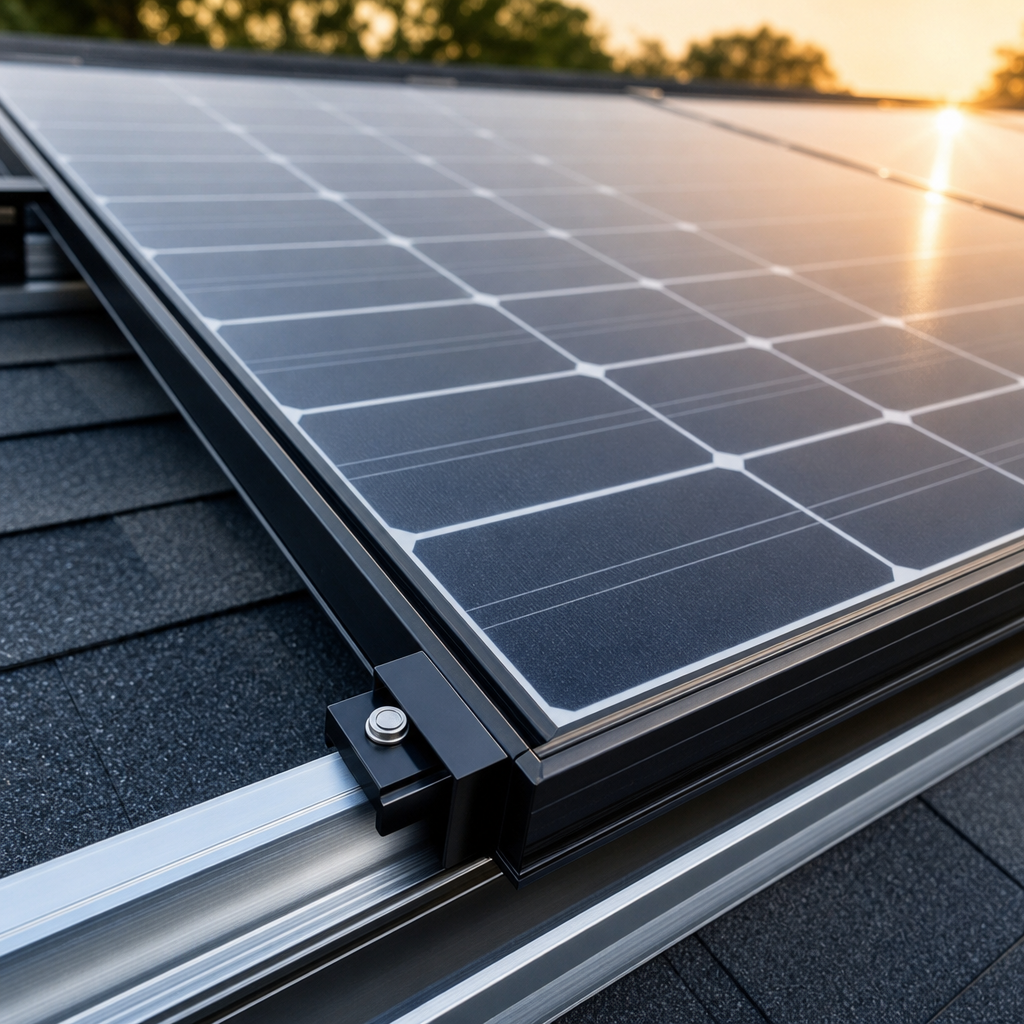
Not all solar panels are created equal, even when they look similar on a spec sheet. Panel efficiency, the percentage of sunlight converted into usable electricity, varies significantly between manufacturers and product tiers. A homeowner with limited roof space benefits enormously from higher-efficiency panels, since more electricity can be generated from fewer square feet.
| Panel Type | Typical Efficiency | Best For |
|---|---|---|
| Standard polycrystalline | 15-17% | Large roofs, budget priority |
| Standard monocrystalline | 18-20% | Most residential installs |
| High-efficiency monocrystalline (US-made premium) | 21-22.8% | Limited roof space, maximum output |
According to NREL research on photovoltaic efficiency, even a two to three percentage point difference in panel efficiency can translate into meaningfully more annual kilowatt-hours generated, especially in California's high-sun climate. Homeowners comparing quotes should always ask for the exact panel model and its independently verified efficiency rating rather than accepting vague marketing language like "premium" or "top-tier."
A 25-year product warranty is only as good as the company standing behind it. The solar industry has seen its share of installers who expand rapidly, oversell financing products, and then shut down or get acquired, leaving homeowners to chase warranty claims through a manufacturer directly, often a slower and more complicated process.
Before signing, homeowners should ask:
Everysun's structure of a 20-year installation guarantee paired with 25-year product warranties is designed specifically to address this concern, giving homeowners recourse for both workmanship issues and equipment defects over the long term. You can review the specifics of their guarantee directly on www.everysun.com.
Solar financing options have multiplied in recent years: cash purchase, solar loans, leases, and power purchase agreements (PPAs) all exist side by side. Each has dramatically different long-term financial outcomes, yet many homeowners choose based on the lowest monthly payment alone without understanding the total cost of capital over 20-25 years.
| Financing Option | Ownership | Typical Long-Term Cost | Tax Credit Eligibility |
|---|---|---|---|
| Cash purchase | You own system immediately | Lowest total cost | Yes |
| Solar loan | You own system, pay lender | Moderate, interest-dependent | Yes |
| Solar lease | Installer/third party owns system | Higher over 20+ years | No, belongs to owner |
| PPA (pay per kWh produced) | Third party owns system | Variable, rate-escalator risk | No |
Leases and PPAs can make sense for homeowners who want zero upfront cost and no maintenance responsibility, but they typically forfeit eligibility for the federal solar tax credit, which currently allows homeowners who purchase their system to deduct a significant percentage of installation costs. Flexible payment options, like those offered through Everysun, are worth comparing carefully against lease and PPA structures before deciding which path fits your financial goals.
California law generally protects homeowners' rights to install solar panels through the Solar Rights Act, which limits how much homeowners associations can restrict solar installations. However, HOAs can still impose reasonable conditions on placement, panel color, or mounting hardware visibility. Homeowners who skip this step sometimes face delays or disputes after installation has already begun.
Steps to avoid this pitfall:
Taking this step early, rather than after equipment has arrived at your home, prevents costly rescheduling and installer change orders.
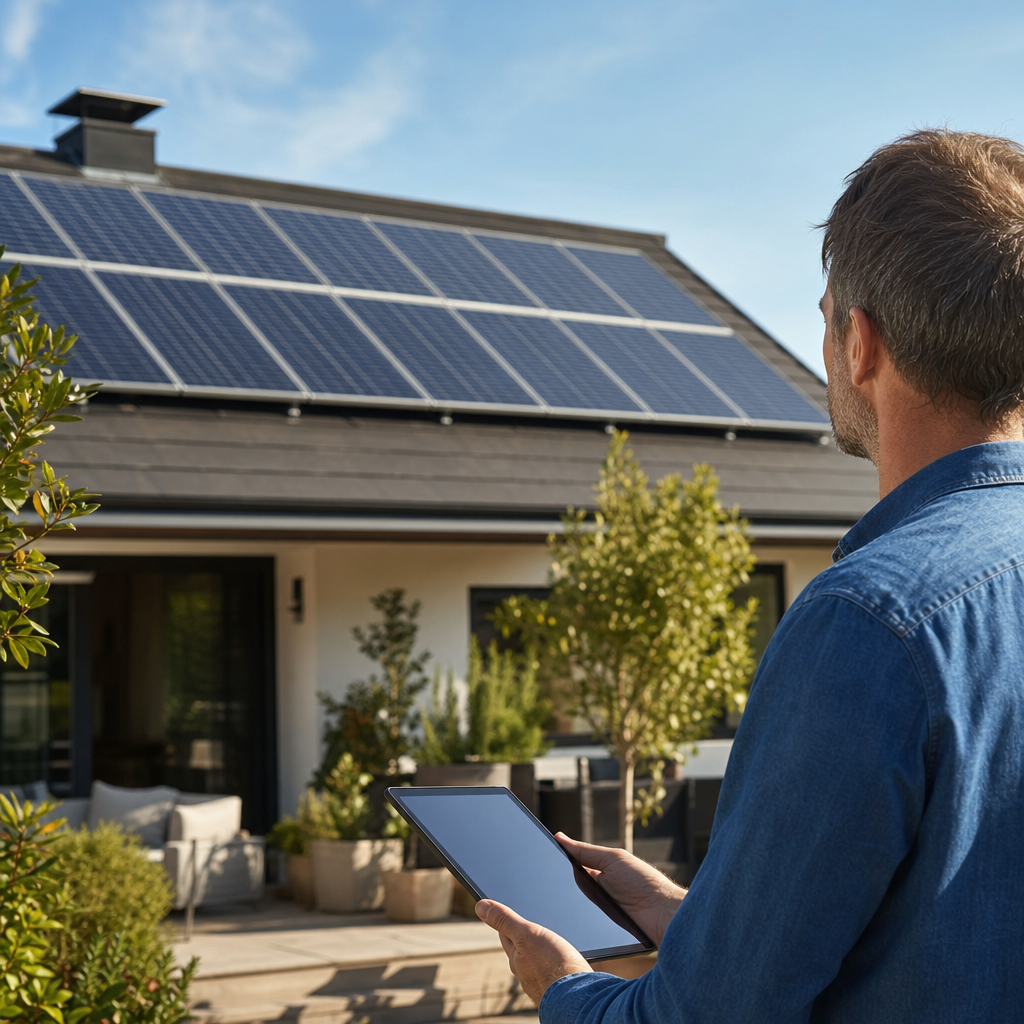
Solar panels themselves require very little maintenance, but the overall system, inverters, monitoring software, and battery components if installed, benefits from periodic checks. Homeowners sometimes assume solar is a "set it and forget it" purchase, then don't notice for months when an inverter fault silently cuts production by 20-30%.
Best practices for long-term system health include:
A company that stays engaged after the sale, through monitoring tools and responsive support, tends to catch small issues before they become expensive ones.
Rather than clicking the top search result and requesting a quote immediately, take a more structured approach:
This process takes a few extra days compared to signing with the first responsive company, but it materially reduces the risk of the mistakes outlined above.
Searching for "solar panels for house near me" is a reasonable starting point, but proximity should never be the deciding factor. The homeowners who end up happiest with their solar investment are the ones who evaluated equipment quality, warranty structure, financing terms, and installer track record with the same rigor they'd apply to any major home improvement project.
Everysun was built around addressing exactly these pain points: pairing US-made high-efficiency panels with Swedish safety and installation standards, backing every project with a 20-year installation guarantee and 25-year product warranties, and offering flexible payment options that make going solar accessible without locking homeowners into unfavorable lease terms. For California homeowners who want a local, knowledgeable partner rather than just the nearest search result, www.everysun.com offers a transparent starting point to compare your options, get a real site assessment, and move forward with confidence rather than guesswork.
© 2025 Everysun Inc. All Rights Reserved.


Get Your Free Solar Quote
Request your free quote and see how solar can work for your home and budget