Why Off Grid Solar Systems for Home Use Fail California Homeowners: Myths About Battery Independence Debunked
October 19, 2026
|
California
Going off grid sounds simple: install enough panels and batteries, disconnect from the utility, and enjoy free electricity forever. In practice, an off grid solar system for home use is one of the most miscalculated purchases a California homeowner can make. Undersized battery banks, unrealistic winter production estimates, and skipped permits turn what should be a liberating investment into a source of constant frustration.
This article walks through the most common mistakes homeowners make when planning an off grid solar system for home properties, and explains how a properly engineered system — whether fully off grid or grid-connected with battery backup — actually delivers the reliability people expect.
The single biggest misunderstanding in residential solar is the assumption that any system with batteries is "off grid." In reality, there are three distinct architectures, and each behaves very differently during an outage or a long run of cloudy days.
For most California homeowners, a grid-tied system with battery backup — not a true off grid setup — delivers the best balance of reliability, cost, and simplicity. True off grid systems make sense mainly for rural properties where utility interconnection is impractical or prohibitively expensive. Confusing the two leads to wildly inaccurate budgeting and unrealistic expectations about what the system can do.
Solar production in California swings dramatically between June and December. A system sized around summer output will fall far short during the shorter, cloudier days of winter. According to the U.S. Energy Information Administration, solar irradiance in Northern California can drop by more than 40% between peak summer months and December.
Homeowners who size their battery bank using only average annual production numbers frequently discover their system can't keep the lights on through a string of overcast winter days. A properly engineered off grid solar system for home use should be sized against your worst-case month, not your annual average, with enough autonomy (typically 2-4 days of battery reserve) to ride out low-production stretches.
| Sizing Approach | Basis | Risk Level | Typical Outcome |
|---|---|---|---|
| Average annual output | Yearly kWh ÷ 365 | High | Battery depletion in winter |
| Peak summer output | Best month only | Very High | Severe winter shortfalls |
| Worst-case month + buffer | Lowest production month, plus 20-30% margin | Low | Reliable year-round performance |
Many homeowners shop for panels and batteries before they've honestly tallied what their home actually consumes. It's easy to underestimate — refrigerators, well pumps, HVAC systems, EV chargers, and electric water heaters all draw significant power, often in ways that aren't obvious from a monthly utility bill.
A disciplined load calculation should include:
Skipping this step is one of the most expensive mistakes in solar planning, because it's far cheaper to size correctly at installation than to retrofit additional panels and batteries later. The U.S. Department of Energy's solar planning resources recommend a full 12-month usage review before specifying any off grid or backup system.
Not all batteries are created equal, and the choice of chemistry has a direct impact on safety, lifespan, and total cost of ownership. Lead-acid batteries, once standard for off grid systems, are now largely outdated for residential use because of their shorter lifespan and maintenance requirements.
| Battery Type | Typical Lifespan | Depth of Discharge | Maintenance | Relative Cost |
|---|---|---|---|---|
| Lead-acid (flooded) | 3-7 years | ~50% | High | Low upfront |
| AGM lead-acid | 4-8 years | ~50% | Moderate | Low-Medium |
| Lithium iron phosphate (LFP) | 10-15+ years | 80-100% | Minimal | Higher upfront, lower lifetime cost |
Lithium iron phosphate (LFP) batteries have become the industry standard for good reason: they tolerate deeper discharges, require virtually no maintenance, and are significantly safer from a thermal-runaway standpoint than older lithium chemistries. The National Renewable Energy Laboratory has published extensive research confirming LFP's advantages in cycle life and safety for residential storage applications. Choosing a cheaper, older chemistry to save money upfront almost always costs more over a 15-20 year ownership period.
The inverter is the component that converts stored DC battery power into usable AC electricity for your home, and it's frequently the bottleneck in poorly designed systems. Homeowners often size their inverter to match average household draw, forgetting that multiple appliances starting simultaneously — a well pump kicking on while the air conditioner is running, for example — can momentarily demand far more power than the inverter's continuous rating.
Key considerations include:
An undersized inverter causes nuisance tripping, appliance damage, and premature equipment failure — problems that are expensive and disruptive to diagnose after installation.
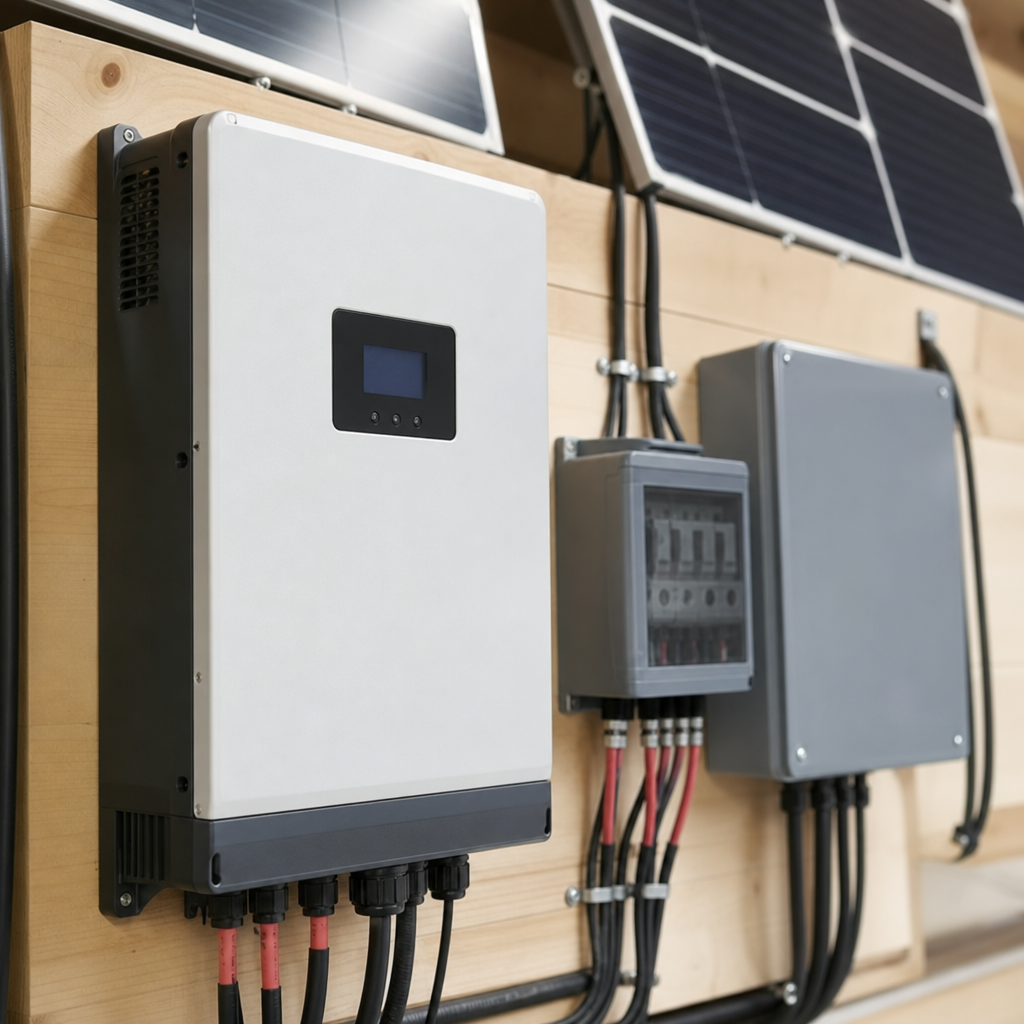
California has some of the most detailed solar and energy storage codes in the country, and skipping the permitting process is a serious — and illegal — shortcut. Even battery-backup systems that remain connected to the grid require permits covering electrical work, fire safety setbacks, and rapid-shutdown compliance under the National Electrical Code.
The California Energy Commission maintains equipment eligibility lists and compliance standards that installers must follow, and local Authorities Having Jurisdiction (AHJs) often add their own inspection requirements. Mistakes here aren't just bureaucratic headaches — unpermitted systems can:
Working with an experienced local installer like www.everysun.com ensures every permit, inspection, and interconnection agreement is handled correctly from day one, rather than discovered as a problem years later.
It's tempting to select the cheapest panels and batteries available, but component quality has an outsized effect on long-term system performance. Lower-tier panels often have weaker temperature coefficients, meaning they lose more efficiency as roof temperatures climb during California summers. Cheaper inverters frequently come with shorter warranties and less robust surge protection.
Here's how the key specifications typically compare between budget and premium equipment tiers:
| Specification | Budget Tier | Premium Tier (e.g., Everysun systems) |
|---|---|---|
| Panel efficiency | 17-19% | 21-22%+ |
| Temperature coefficient | -0.45%/°C or worse | -0.34%/°C or better |
| Product warranty | 10-12 years | 25 years |
| Installation warranty | 5-10 years | 20 years |
| Inverter surge handling | Limited | Robust, stackable |
Everysun combines US-made, high-efficiency panels with Swedish safety and installation standards, backed by a 20-year installation guarantee and 25-year product warranties — the kind of long-term assurance that budget-tier components simply can't match. Over a 25-year system lifespan, the performance gap between budget and premium components can mean tens of thousands of kilowatt-hours of lost production.
An off grid solar system for home use isn't "install and forget." Batteries need periodic health checks, panels need occasional cleaning (especially after California's dry, dusty summers and wildfire smoke events), and monitoring software needs to be reviewed to catch underperformance early.
Best practices for ongoing system health include:
Homeowners who skip monitoring often don't notice a failing battery module or a shaded panel until production has already dropped significantly — sometimes for months.
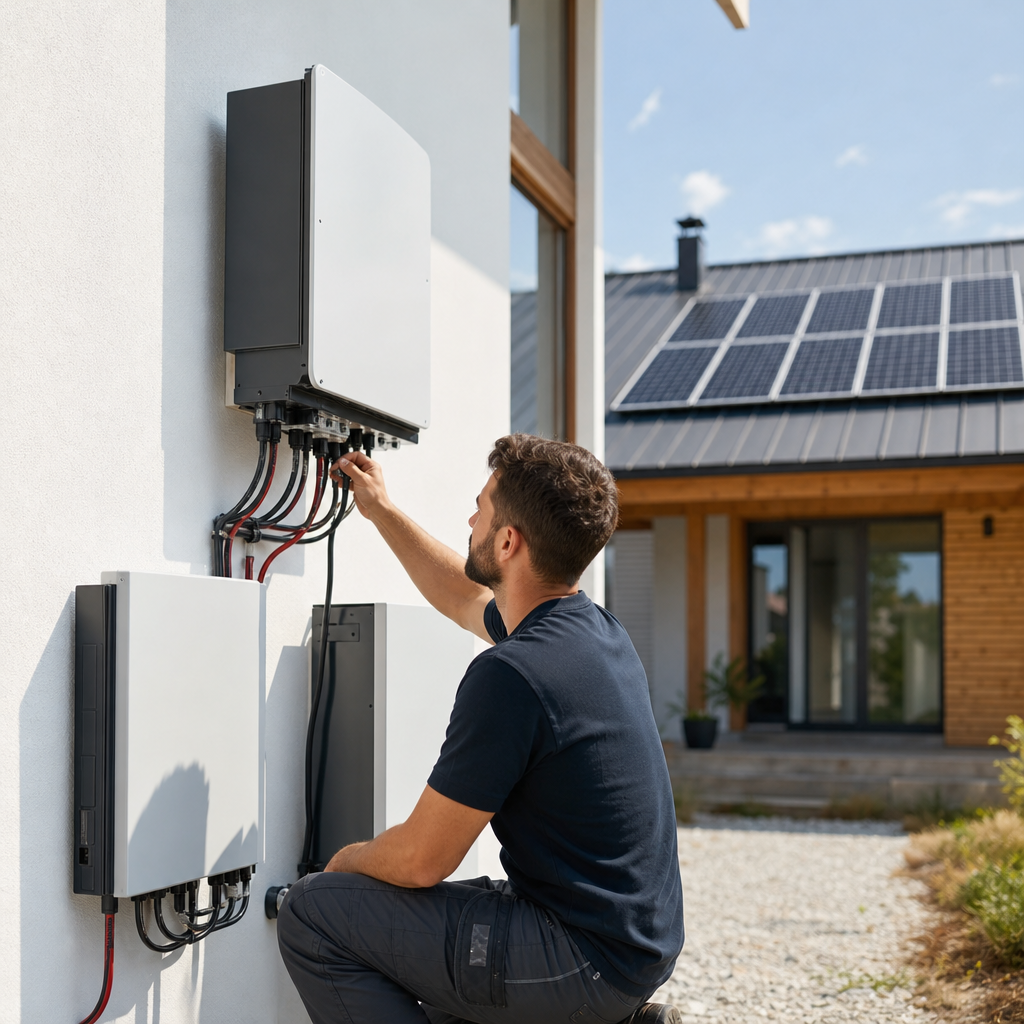
To put these principles into practice, consider a typical 2,500 sq ft California home with moderate air conditioning use, an electric water heater, and a Level 2 EV charger. A well-engineered system for this profile would typically include:
This kind of system is not assembled by guesswork — it requires a genuine site assessment, historical usage data, and roof/shading analysis. For homeowners comparing quotes, it's worth reviewing how installation requirements and permitting timelines affect overall project cost, since a rushed or incomplete system design is often where future problems begin.
California's geography means solar performance varies enormously by region. Coastal fog belts, Central Valley heat, and mountain snow loads each demand different design choices — panel tilt angles, ventilation for heat dissipation, and snow-load-rated mounting hardware all matter. The California Public Utilities Commission has also made changes to net energy metering rules in recent years, which has shifted the economics of grid-tied systems further in favor of pairing solar with battery storage, since exported power is now compensated at lower rates than in the past.
This regulatory shift is one more reason the "off grid versus grid-tied with backup" decision deserves careful thought rather than a default assumption. In many cases, a well-designed battery-backup system delivers nearly all the independence of true off grid living, while retaining the grid as a low-cost insurance policy for extreme weather events or unusually high consumption months.
Before committing to any off grid or battery-backup solar installation, homeowners should ask their installer:
A trustworthy installer will have clear, specific answers to every one of these questions — vague reassurances are a red flag.
An off grid solar system for home use can deliver genuine energy independence, but only when it's engineered around real data: actual household loads, true worst-case production months, and equipment rated to handle California's specific climate and code requirements. The mistakes outlined above — from confusing system types to underestimating battery and inverter capacity — are avoidable with careful planning and an experienced installation partner.
Everysun designs residential solar and battery storage systems specifically for California homeowners, pairing US-made high-efficiency panels with rigorous Swedish safety and installation standards. With flexible payment options, a 20-year installation guarantee, and 25-year product warranties, www.everysun.com helps homeowners avoid these common pitfalls and build a solar and battery system that performs reliably for decades, not just years.
© 2025 Everysun Inc. All Rights Reserved.


Get Your Free Solar Quote
Request your free quote and see how solar can work for your home and budget