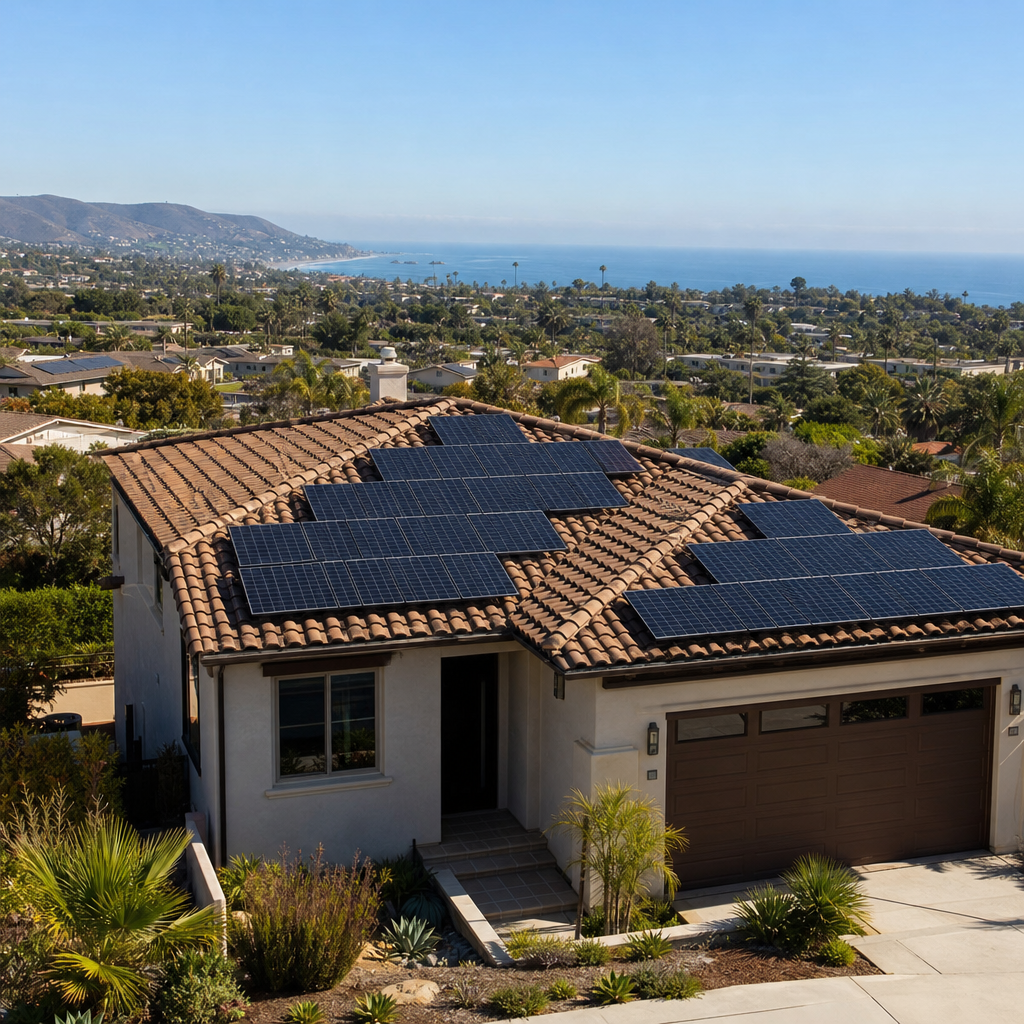
Does Solar Increase Home Value More Than a Kitchen Remodel or Pool?
October 17, 2026
|
California
California homeowners weighing a major property investment often ask the same question before signing a contract: does solar increase home value enough to justify the upfront cost, or would that money be better spent on a kitchen remodel, a new roof, or a backyard pool? The answer, backed by appraisal data and real estate research, is a clear yes — but how much value solar adds, and how it compares to other popular home upgrades, depends on several factors unique to your property and your local market.
This article breaks down what the data actually shows, compares solar to other common renovations, and explains how homeowners working with installers like www.everysun.com can maximize both energy savings and resale value at the same time.
Multiple independent studies have examined the relationship between solar panel installation and resale price. The most frequently cited research comes from the U.S. Department of Energy's Lawrence Berkeley National Laboratory, which analyzed thousands of home sales across several states and found that solar panels consistently added a measurable premium to sale price.
Key findings from this and related research include:
The National Renewable Energy Laboratory has also published guidance helping appraisers properly value solar installations, which has made it easier for homeowners to capture that value at the time of sale rather than having it overlooked by outdated appraisal methods.
While exact numbers vary by location, system size, and age, industry research generally points to a value increase in the range of 3% to 4.1% of a home's sale price for homes with owned solar systems. For a median-priced California home, that can translate into tens of thousands of dollars in added equity.
Here's a simplified illustration based on national averages applied to California home values:
| Home Value (Pre-Solar) | Estimated Value Increase (3.5% avg.) | Added Equity |
|---|---|---|
| $500,000 | 3.5% | $17,500 |
| $700,000 | 3.5% | $24,500 |
| $900,000 | 3.5% | $31,500 |
| $1,100,000 | 3.5% | $38,500 |
These figures are estimates, not guarantees — actual appraised value depends on system age, panel efficiency, remaining warranty coverage, and whether the system is owned outright or financed through a lease or power purchase agreement (PPA). Leased systems typically add little to no resale value because the buyer would need to assume the lease payments, which can complicate a sale rather than enhance it.
To put solar's return on investment in context, it helps to compare it against other popular home upgrades that homeowners often consider for boosting resale value. Remodeling Magazine's annual Cost vs. Value Report tracks the return on investment for dozens of home improvement projects, and solar consistently performs well against the competition.
| Home Improvement | Typical Cost Range | Average Resale Value Recouped | Added Ongoing Savings |
|---|---|---|---|
| Solar Panel System (owned) | $15,000–$30,000 | ~60–70% of cost, plus energy savings | Yes — monthly utility bill reduction |
| Kitchen Remodel (midrange) | $25,000–$50,000 | ~40–50% of cost | No |
| Swimming Pool | $40,000–$80,000 | Often negative in resale (maintenance liability) | No |
| New Roof | $10,000–$20,000 | ~55–60% of cost | No |
| Bathroom Remodel | $15,000–$25,000 | ~45–55% of cost | No |
Unlike a kitchen remodel or a pool, solar panels offer a dual benefit: they reduce monthly electricity costs for as long as you own the home, and they add resale value when you eventually sell. A pool, by contrast, can actually deter some buyers due to maintenance costs and liability concerns, while a kitchen remodel's appeal fades as trends change over time. Solar technology, especially when backed by long warranties, holds its value more consistently because its core benefit — electricity generation — doesn't go out of style.
California's unique combination of high electricity rates, abundant sunshine, and strong environmental values makes solar an especially attractive feature for buyers in this state. A few factors amplify solar's impact on home value here compared to other parts of the country:
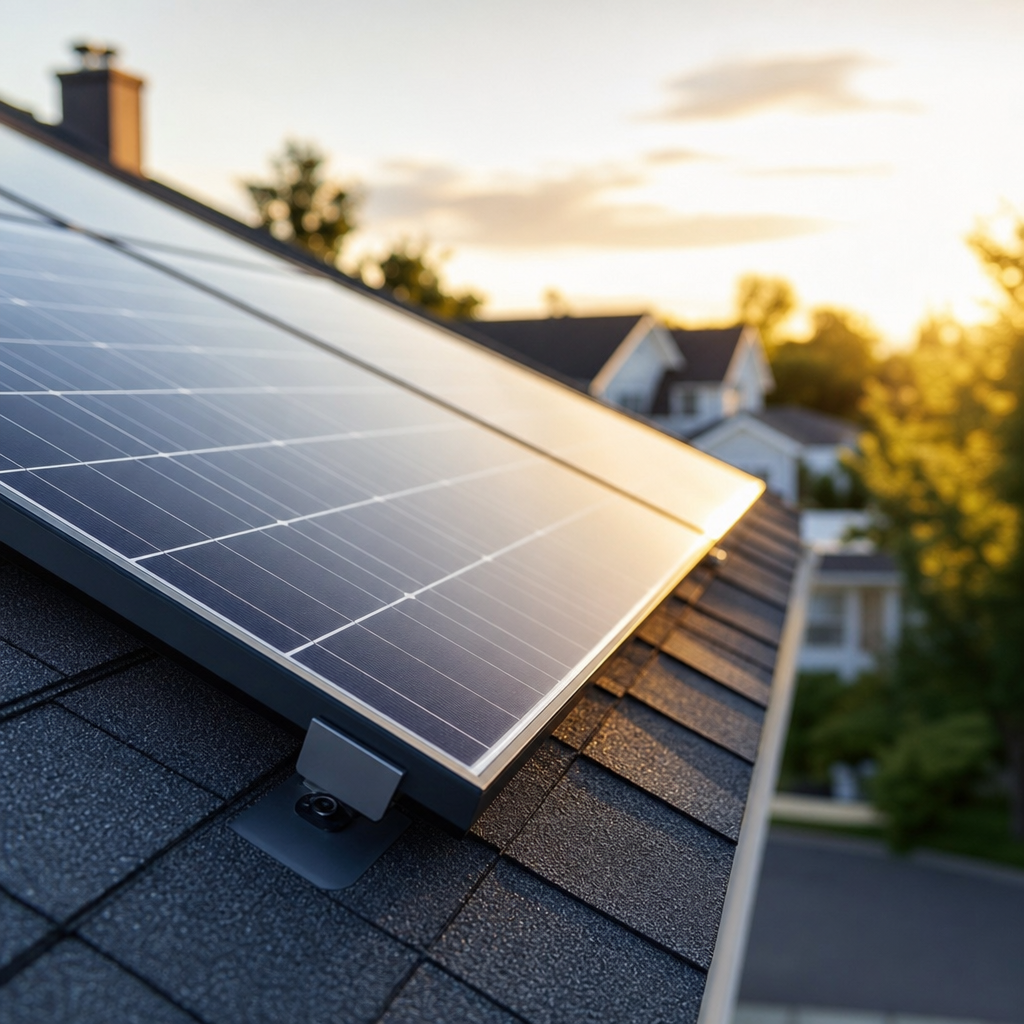
While solar panels alone increase home value, pairing them with battery storage tends to make a property even more appealing to buyers — particularly in California, where grid reliability concerns have grown. A home that can maintain power during an outage offers a layer of security that standalone solar cannot provide.
Battery storage adds value in several ways:
Companies like www.everysun.com design systems that combine US-made high-efficiency panels with battery storage from the outset, helping homeowners capture both the energy savings and the resale premium that come from a complete, integrated system rather than a patchwork setup added piecemeal over time.
Not all solar installations are created equal in the eyes of appraisers and buyers. Several variables determine whether a system adds significant value or barely registers on an appraisal report.
A newer system with a long warranty remaining is worth more to a buyer than an aging system nearing the end of its productive life. This is one reason installers who offer extended protection — such as Everysun's 25-year product warranties and 20-year installation guarantee — give homeowners a stronger value proposition at resale, since buyers can see there's substantial coverage left on the system.
Poor installation work can lead to roof leaks, electrical issues, or inefficient system performance — all of which can hurt a home's value rather than help it. Professional installation that meets rigorous safety standards protects both the system's performance and the underlying roof structure.
Higher-efficiency panels that produce more electricity per square foot tend to translate into higher valuations, since they offer greater offset against utility bills.
In regions with high solar adoption, buyers may view solar as an expected feature rather than a premium add-on. In areas where solar is still relatively uncommon, a solar-equipped home can stand out more dramatically against comparable listings.
Homeowners who want to ensure their solar investment is properly recognized at resale should take a few proactive steps:
Being able to produce clear records distinguishes a well-documented, trustworthy solar asset from a vague "solar panels included" bullet point in a listing description — and that distinction can directly affect final sale price.

Despite strong data supporting solar's positive impact on resale value, several misconceptions persist among homeowners considering the investment.
Misconception 1: Solar always adds exactly what it cost to install. In reality, the value added is typically a portion of the installation cost, supplemented by the ongoing utility savings a buyer will enjoy. The total financial benefit — savings plus added equity — often exceeds the simple appraisal bump.
Misconception 2: All solar systems appraise the same way. As covered earlier, ownership structure, system age, and installation quality all significantly affect appraised value. A leased system and an owned system of the same size will not be valued equally.
Misconception 3: Solar makes homes harder to sell. Research consistently shows the opposite — homes with owned solar systems often sell faster than comparable non-solar homes, particularly in energy-conscious markets like California.
Misconception 4: Only new systems add value. While newer systems with more warranty life remaining tend to add more value, a well-maintained system with transferable warranty coverage can still provide a meaningful resale benefit even several years into its lifespan.
For most California homeowners, the decision to go solar is driven primarily by monthly utility savings rather than resale value alone — but the added home value serves as a valuable bonus that strengthens the overall investment case. When you combine:
...it becomes clear that solar functions less like a typical home improvement and more like a long-term financial and lifestyle upgrade. Unlike cosmetic renovations that primarily serve aesthetic appeal, solar delivers continuous, quantifiable financial return for as long as you own the home — and then converts into added equity when you decide to sell.
Choosing an experienced, reputable installer matters enormously in capturing this value. Systems installed with substandard equipment or inconsistent workmanship can create future complications for both current enjoyment and eventual resale. That's why homeowners are encouraged to work with installers who combine high-quality components with rigorous installation standards and strong warranty backing.
So, does solar increase home value? The evidence strongly supports yes — particularly for California homeowners dealing with high electricity rates, grid reliability concerns, and a real estate market where energy efficiency is increasingly a selling point rather than a niche feature. While the exact premium varies based on system ownership, age, and quality, well-installed, owned solar systems paired with battery storage offer one of the few home upgrades that pay for themselves twice: first through monthly savings, and again through added resale value.
For homeowners ready to explore what a professionally designed, high-efficiency solar and battery system could mean for their property, www.everysun.com offers US-made panels installed to rigorous Swedish safety standards, backed by a 20-year installation guarantee and 25-year product warranties. That combination of performance, protection, and flexible payment options makes solar not just an energy decision, but a smart, forward-looking investment in your home's long-term value.
© 2025 Everysun Inc. All Rights Reserved.


Get Your Free Solar Quote
Request your free quote and see how solar can work for your home and budget