7 Costly Mistakes California Homeowners Make When Buying Solar Panels
September 25, 2026
|
California
Solar adoption across California continues to climb in 2026, driven by rising utility rates and growing awareness of battery backup during grid outages. Yet even in a mature market, a surprising number of homeowners still make avoidable mistakes when choosing solar panels for their homes. These missteps can cost thousands of dollars, delay energy independence, or leave a system underperforming for decades. This article walks through the most common pitfalls California homeowners encounter, backed by data and practical guidance, so you can make a confident, informed decision.
One of the most frequent errors is designing a solar system based solely on current electricity usage. Many installers size systems to offset last year's average bill, ignoring upcoming lifestyle changes such as buying an electric vehicle, adding a pool, or transitioning to an all-electric kitchen. Because California's net billing structure changed significantly under NEM 3.0, oversizing or undersizing a system now has a much bigger financial impact than it did a few years ago.
A properly sized system should account for:
Homeowners who skip this forward-looking analysis often end up paying for a second, more expensive installation later. Working with a company that models your future energy profile—not just your last twelve months of bills—prevents this costly redo.
California's solar market is crowded, and the temptation to select the cheapest quote is strong. But panel quality varies enormously, and the cheapest hardware often carries thinner warranties, lower efficiency ratings, and higher degradation rates over time. According to the National Renewable Energy Laboratory, premium monocrystalline panels typically degrade at a rate of 0.3-0.5% per year, while budget panels can degrade at nearly double that rate, meaning a system that looks like a bargain on day one may produce significantly less power by year fifteen.
Here's a comparison of typical panel tiers available to California homeowners:
| Panel Tier | Efficiency Range | Typical Warranty | 25-Year Degradation |
|---|---|---|---|
| Budget/Import | 17-19% | 10-12 years product | 20-25% loss |
| Mid-Tier | 19-21% | 15-20 years product | 15-18% loss |
| Premium US-Made | 21-22.5% | 25 years product | 8-12% loss |
Everysun addresses this by pairing US-made high-efficiency panels with installation practices modeled on Swedish safety and engineering standards, an approach designed to minimize long-term performance loss while maintaining rigorous safety compliance throughout the system's lifespan.
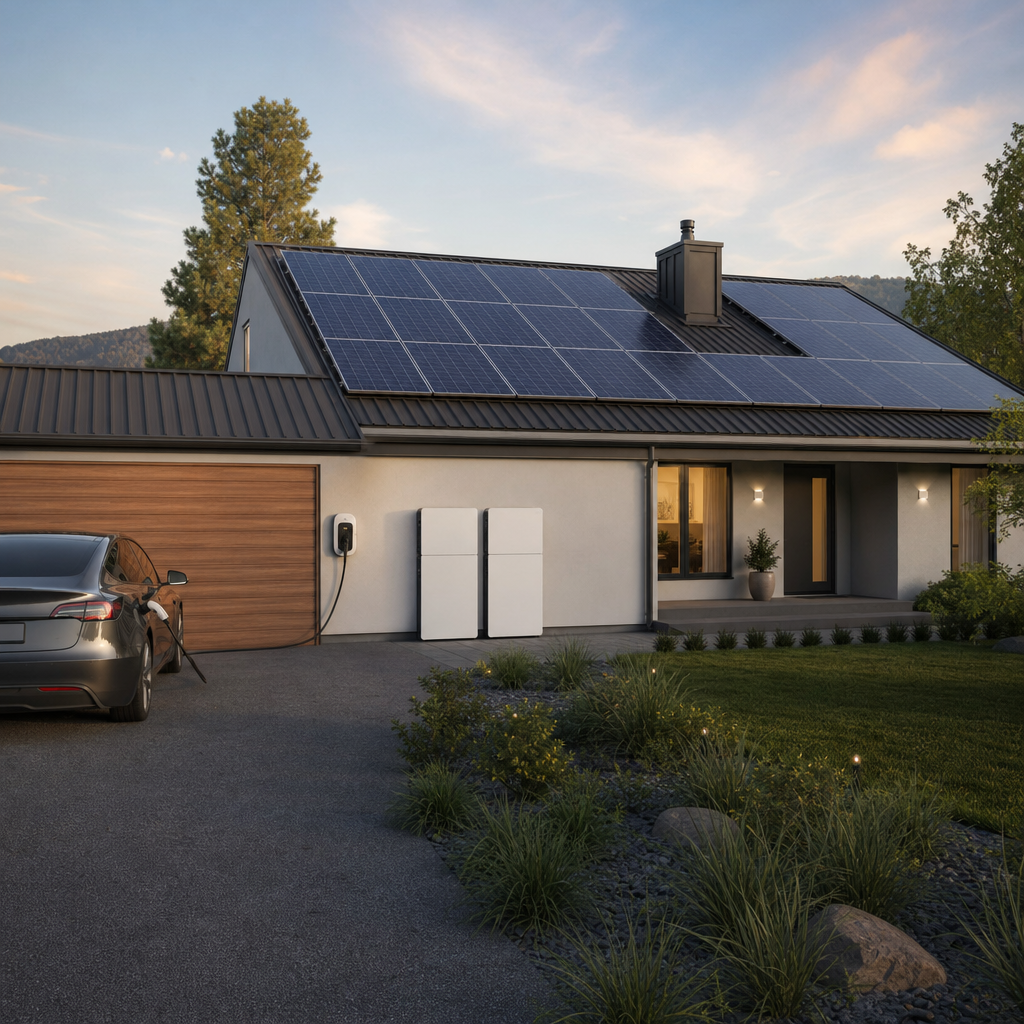
Many homeowners initially install solar without battery storage, assuming they can add a battery later without complications. In practice, retrofitting a battery to an existing system often requires additional electrical work, updated inverters, and sometimes a full re-permitting process with the local utility. Given the frequency of Public Safety Power Shutoffs (PSPS) events across California, particularly in wildfire-prone regions, the California Public Utilities Commission has continued to emphasize resilience planning for residential customers.
Battery storage decisions should be made at the same time as panel selection because:
Homeowners who want the lights to stay on during an outage should evaluate solar power systems for the house with battery backup from the outset rather than treating storage as an afterthought.
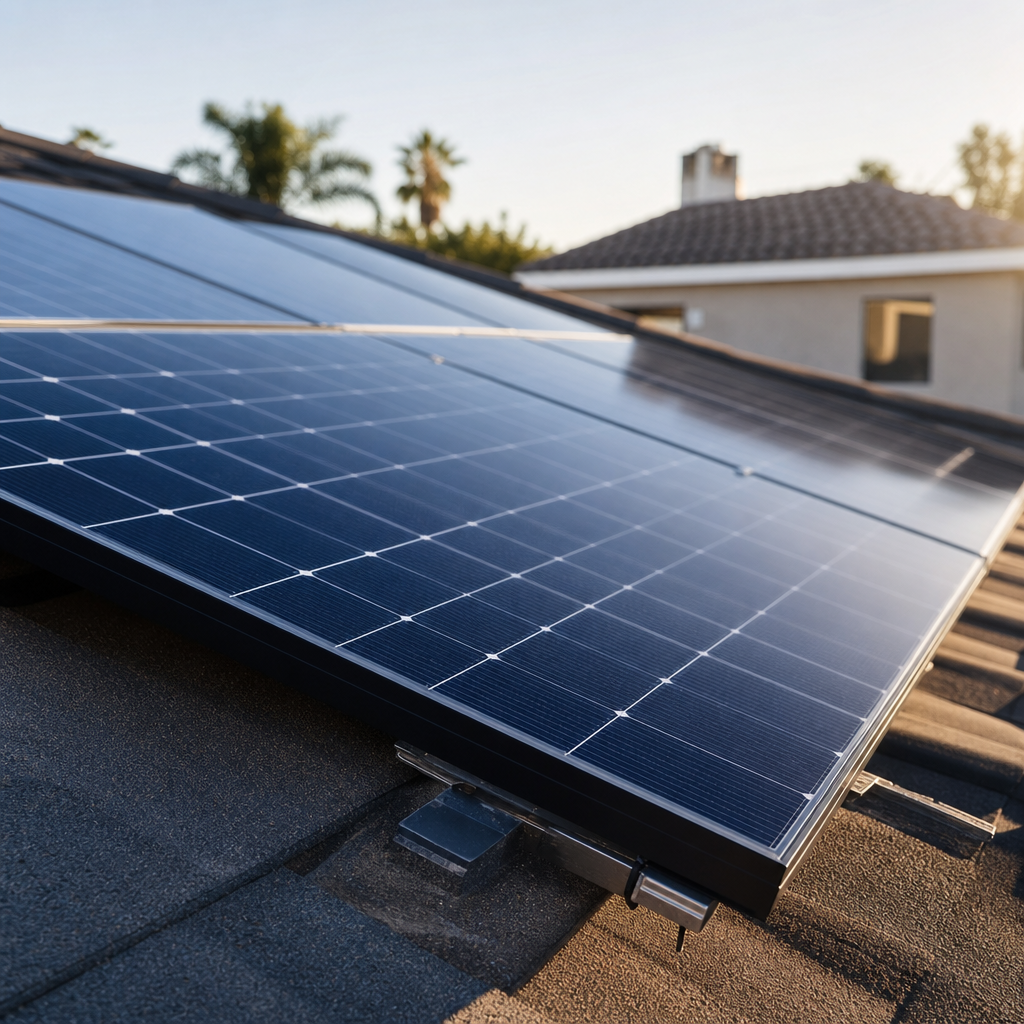
It's easy to fixate on panel wattage and inverter brand while overlooking the installer's workmanship, yet poor installation is one of the leading causes of underperformance and premature system failure. Roof penetrations that aren't properly flashed can lead to leaks. Improper wire management can cause hot spots or fire risk. Racking that isn't engineered for local wind and snow loads can fail prematurely.
The table below highlights how installation quality affects long-term system reliability:
| Installation Factor | Poor Practice | Best Practice |
|---|---|---|
| Roof penetration sealing | Generic caulk, no flashing | Engineered flashing with warranty |
| Wire management | Loose, exposed conduit | Secured conduit meeting NEC code |
| Racking engineering | One-size-fits-all mounts | Site-specific structural analysis |
| Electrical testing | Visual check only | Full IV curve tracing and thermal imaging |
This is why installation guarantees matter as much as product warranties. A 20-year installation guarantee protects homeowners not just against equipment defects but against workmanship issues that might not surface for several years.
California's shift from Net Energy Metering (NEM 2.0) to the Net Billing Tariff (NEM 3.0) fundamentally changed the economics of solar for new customers. Under the newer structure, the credit homeowners receive for exporting excess electricity to the grid is tied to the "Avoided Cost Calculator," which values exported power at wholesale rates rather than the retail rates used previously. This has made self-consumption—using your own solar power directly or storing it in a battery—far more valuable than exporting it to the grid.
Many homeowners still assume their system will operate under the older, more generous rules, leading to unrealistic payback expectations. Understanding the current framework, detailed by the California Public Utilities Commission, is essential before signing any contract. In practice, this rule change is a major reason battery storage has become nearly standard alongside new solar installations in the state.
Solar warranties are notoriously confusing because there are typically three separate types bundled into one system:
Homeowners frequently assume all three are equally long, only to discover their installer's workmanship coverage expires after just a few years—right when problems like leaks or connector failures tend to appear. According to guidance from the U.S. Department of Energy, reviewing warranty documentation line by line, rather than relying on a sales brochure summary, is one of the single most valuable steps a homeowner can take before signing.
Everysun structures its offering around a 20-year installation guarantee combined with 25-year product warranties, closing the gap that catches so many California homeowners off guard.
California homeowners have several ways to pay for solar: cash purchase, solar loans, leases, and power purchase agreements (PPAs). Each comes with different implications for savings, home equity, and eligibility for incentives like the federal solar investment tax credit. A common mistake is selecting a financing option based purely on the lowest monthly payment, without factoring in total cost over the life of the system or ownership implications when selling the home.
| Financing Option | Owns System? | Eligible for Tax Credit? | Effect on Home Sale |
|---|---|---|---|
| Cash Purchase | Yes | Yes | Increases home value |
| Solar Loan | Yes | Yes | Increases home value, loan may transfer |
| Lease | No | No | Can complicate sale, requires transfer approval |
| PPA | No | No | Can complicate sale, requires transfer approval |
Leases and PPAs can look attractive with little or no money down, but because the homeowner never owns the equipment, they don't qualify for the federal tax credit and may face complications when listing the home for sale. Flexible payment options that still lead to ownership—such as those offered through Everysun—allow homeowners to capture the tax credit and build home equity while still keeping monthly payments manageable.

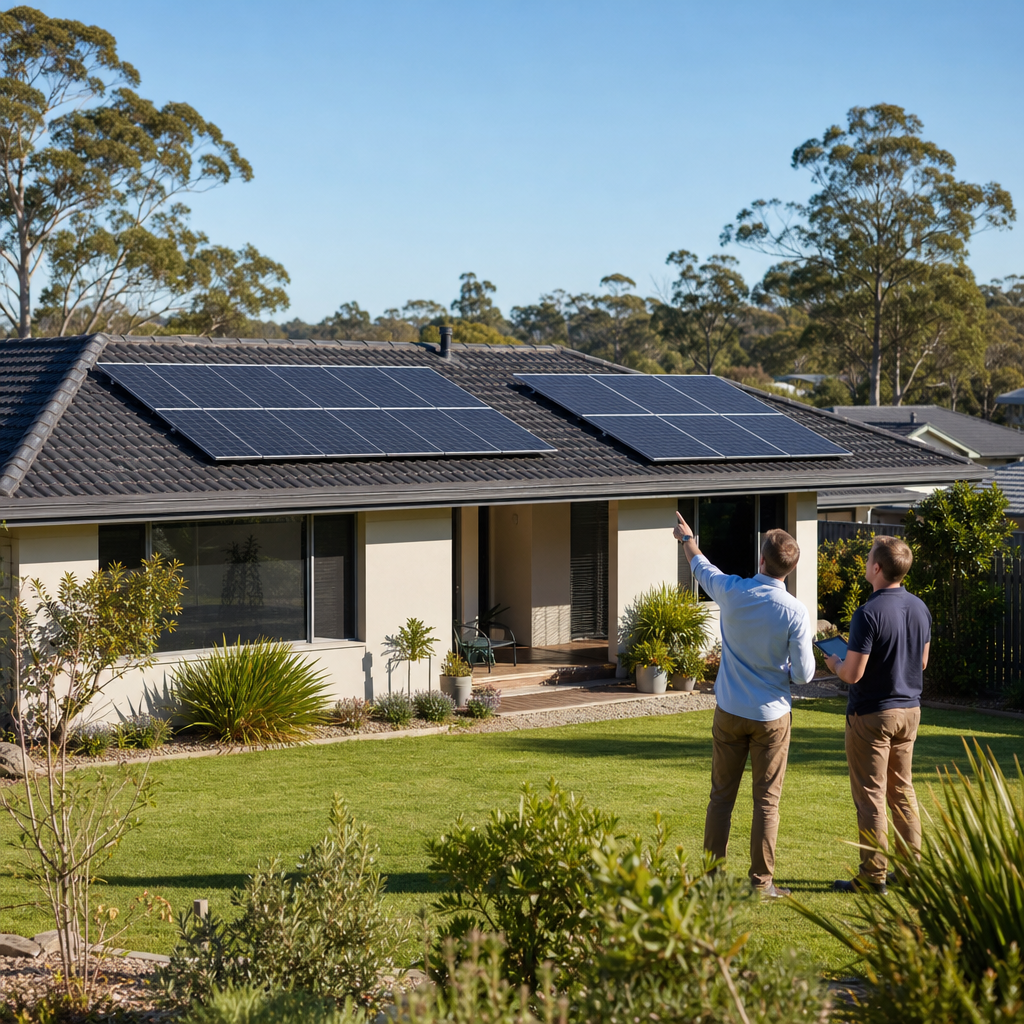
California's permitting landscape varies significantly by county and utility territory. Pacific Gas & Electric, Southern California Edison, and San Diego Gas & Electric each have different interconnection application processes, timelines, and inspection requirements. Homeowners who assume permitting is a quick, uniform process are often surprised when interconnection approval takes six to ten weeks, especially during peak installation season in spring and summer.
Steps that are frequently underestimated include:
An experienced installer familiar with local Authority Having Jurisdiction (AHJ) requirements can significantly shorten this timeline by submitting complete, accurate documentation the first time, avoiding the resubmission delays that plague less experienced contractors.
Before signing a contract with any solar company, California homeowners should walk through the following checklist:
Taking the time to work through this list before signing prevents the majority of costly surprises homeowners report after installation.
It's worth emphasizing that even the best solar panel on the market will underperform if installed poorly. This is why some installers differentiate themselves not just through equipment sourcing but through the installation methodology itself. Combining US-made high-efficiency panels with rigorous safety and quality protocols—an approach inspired by Swedish engineering standards—creates a system built for California's specific combination of high solar irradiance, wildfire risk, and seismic activity.
Homeowners evaluating installers should ask pointed questions about crew certification, whether electricians are licensed specifically for solar work, and how the company handles quality control inspections after installation is complete. A transparent installer will walk through each of these steps without hesitation.
Solar panels remain one of the most effective ways for California homeowners to reduce electricity bills and gain protection against grid instability, but the path to a successful installation is full of decision points where mistakes are easy to make. From undersizing a system to misunderstanding warranty coverage or financing terms, these errors are avoidable with the right information and the right partner.
Everysun was built specifically to help California homeowners navigate these pitfalls, combining US-made high-efficiency panels, Swedish-inspired safety and installation standards, flexible payment options, a 20-year installation guarantee, and 25-year product warranties into a single, transparent offering. For homeowners ready to move forward with solar and battery storage without the guesswork, www.everysun.com provides the expertise and long-term protection needed to make solar a genuinely smart investment rather than a costly gamble.
© 2025 Everysun Inc. All Rights Reserved.


Get Your Free Solar Quote
Request your free quote and see how solar can work for your home and budget