How Much Can You Save Monthly by Bundling Solar Panels and Battery Storage in California?
October 10, 2026
|
California
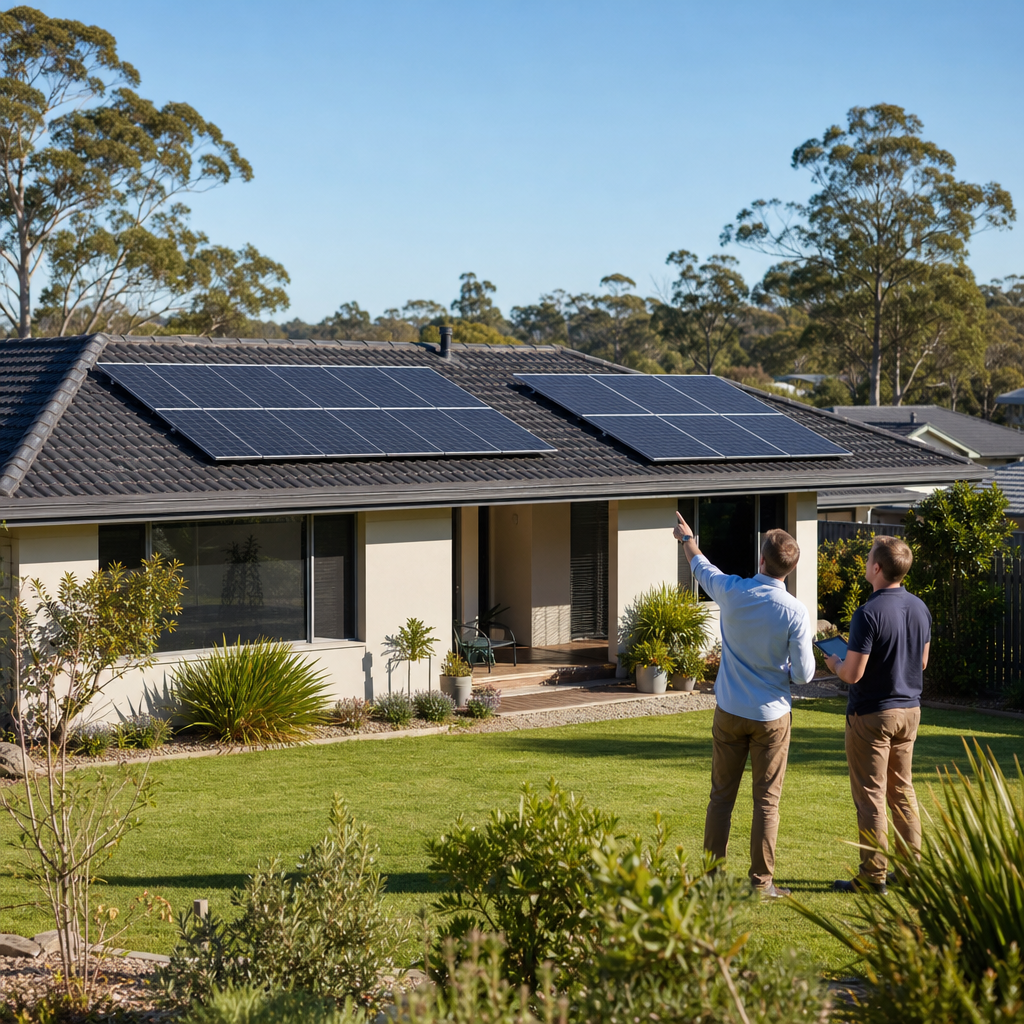
California homeowners shopping for solar in 2026 are no longer asking "should I go solar?" They're asking a more practical question: should solar come with a battery, and how much is that bundle actually going to cost? With utility rates climbing and Net Energy Metering 3.0 (NEM 3.0) making exported solar power worth far less than it used to be, pairing panels with battery storage has shifted from a luxury upgrade to the standard recommendation for most homes. This article breaks down real pricing ranges, what drives the cost up or down, incentives available in 2026, and how to evaluate whether a bundled system makes financial sense for your household.
Not long ago, homeowners could install solar panels alone, export excess power to the grid during the day, and pull credit back at night at a nearly one-to-one rate. That math changed dramatically when California regulators adopted NEM 3.0, which cut the value of exported solar energy by roughly 75% compared to the previous program. Under the new structure, selling power back to the grid is far less rewarding, while using your own stored energy during evening peak hours is far more valuable.
A solar panels and battery storage bundle lets homeowners capture that value instead of losing it. Instead of exporting cheap daytime solar and buying expensive evening electricity back from the utility, a battery stores the midday surplus and releases it after sunset, when rates are highest and the grid is most strained. According to the California Public Utilities Commission, this shift was intentional — designed to push the state toward a more balanced, storage-supported grid as more residential solar comes online.
Pricing varies by system size, panel brand, battery capacity, roof complexity, and installer, but most California homeowners can expect a bundled system to fall into a fairly predictable range. Below is a general breakdown based on typical residential installations across the state.
| System Component | Typical Size | Average Cost Range (2026) |
|---|---|---|
| Solar panel array only | 6–9 kW | $15,000 – $24,000 |
| Battery storage only | 10–15 kWh | $9,000 – $16,000 |
| Bundled solar + single battery | 6–9 kW + 10–13 kWh | $22,000 – $34,000 (before incentives) |
| Bundled solar + dual battery | 8–11 kW + 20–26 kWh | $30,000 – $45,000 (before incentives) |
These figures are gross costs before the federal solar tax credit and any applicable state or utility incentives are applied, which can meaningfully reduce the final number. It's also worth noting that per-watt and per-kWh pricing tends to drop as system size increases, so larger bundles are often more cost-efficient on a unit basis than small standalone installs.
For context on national pricing trends, the U.S. Department of Energy and the National Renewable Energy Laboratory both publish benchmark data showing that bundled solar-plus-storage systems typically cost 15-20% less combined than purchasing the two systems separately at different times, mainly due to shared labor, permitting, and electrical panel upgrade costs.
Several variables determine where your bundle lands within these ranges. Understanding them helps you evaluate quotes more critically and avoid overpaying.
Homeowners working with www.everysun.com benefit from transparent, itemized quotes that separate these cost drivers clearly, so you can see exactly what you're paying for rather than a single bundled number that hides markups.
Even with NEM 3.0 reducing export credits, 2026 still offers meaningful financial incentives that bring the real cost of a solar-plus-battery bundle down substantially.
Combined, these programs frequently reduce the net cost of a bundle by 30-45% compared to the sticker price, which is why most installers present both the gross and net cost on a proposal.
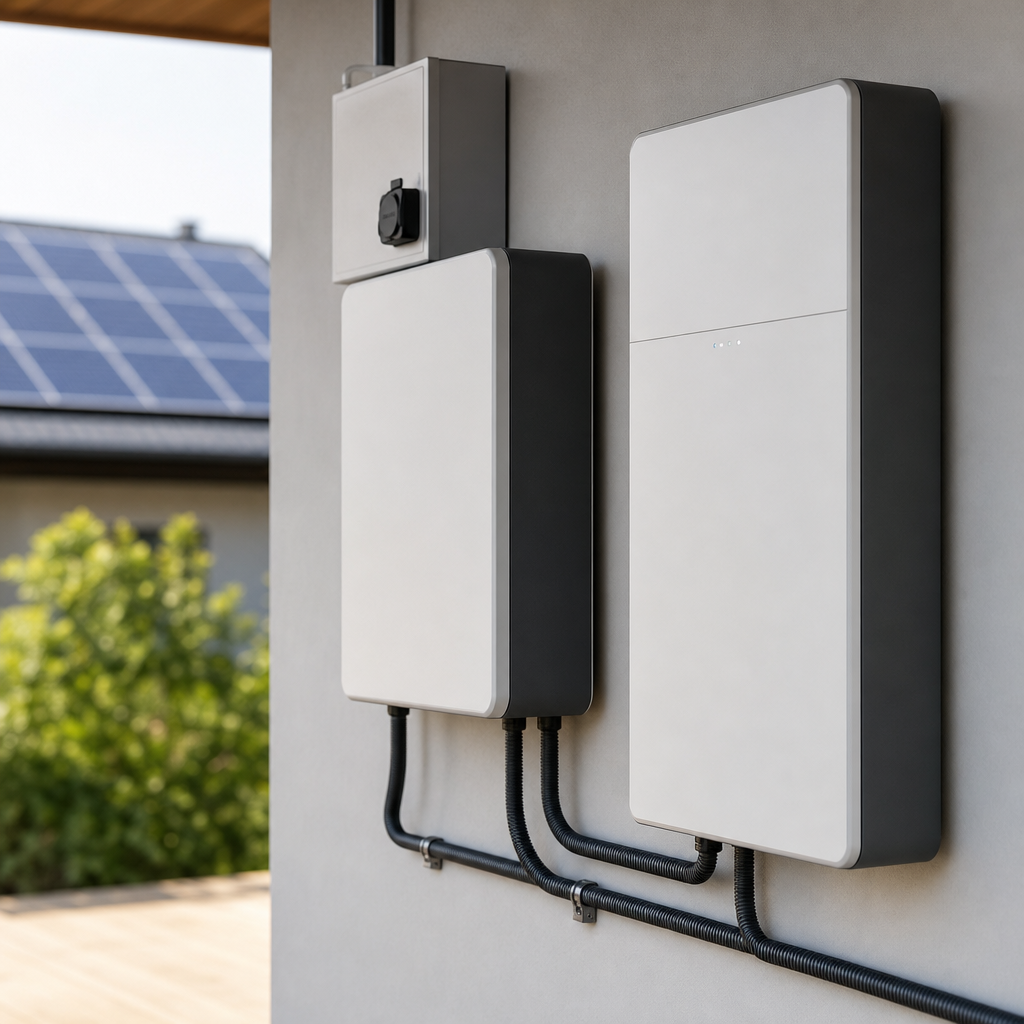
One of the most common questions homeowners ask is whether it's cheaper to install solar now and add a battery later, or to do both at once. In almost every case, bundling saves money and hassle. Here's a side-by-side look.
| Factor | Bundled Install (Solar + Battery Together) | Solar First, Battery Later |
|---|---|---|
| Labor costs | Shared across both systems | Paid twice, separately |
| Permitting fees | Filed once | Filed twice |
| Electrical panel upgrade | Done once if needed | May be needed twice if underestimated initially |
| Incentive eligibility | Full ITC and SGIP applied together | ITC applies to each purchase; SGIP rules may change |
| Installation downtime | One project timeline | Two separate projects, two disruptions |
| System design optimization | Battery sized correctly from day one | Panels may be undersized for later battery needs |
| Total cost (typical) | 15-20% lower combined | Higher due to duplicated costs |
The main exception is for homeowners with tight upfront budgets who want to spread out spending over a year or two. Even then, many installers, including www.everysun.com, offer flexible payment options that make a combined install affordable without needing to split the purchase into two separate projects.
Battery capacity is one of the biggest cost variables in a bundle, and bigger isn't always better. Sizing the battery correctly to your household's evening and overnight usage is the key to maximizing return on investment.
Typical household battery needs:
Oversizing a battery increases upfront cost without proportionally increasing savings, since the extra capacity may rarely be used. Undersizing means you'll still pull expensive grid power during peak hours. A properly designed system, based on your actual utility usage data (available from your utility's online portal or past 12 months of bills), avoids both mistakes.
Payback period is often the deciding factor for homeowners weighing whether a bundle is worth the upfront investment. While every home differs based on usage, rate plan, and system size, general payback timelines for bundled systems in California in 2026 tend to fall within a predictable window.
| Household Profile | Estimated Net Bundle Cost (After Incentives) | Average Annual Savings | Estimated Payback Period |
|---|---|---|---|
| Small usage, modest battery | $14,000 – $18,000 | $1,800 – $2,400 | 7-9 years |
| Medium usage, standard battery | $18,000 – $24,000 | $2,400 – $3,400 | 6-8 years |
| High usage, EV + large battery | $24,000 – $32,000 | $3,600 – $5,200 | 5-7 years |
Given that panels typically carry 25-year performance warranties and batteries are often warrantied for 10 years or more, most homeowners enjoy 15-20 years of largely free electricity after the payback period ends. This is a major reason solar-plus-storage is increasingly viewed as a long-term financial asset rather than simply an environmental choice. The Solar Energy Industries Association notes that properly sized residential systems remain one of the most reliable home investments available today, particularly in high-electricity-cost states like California.
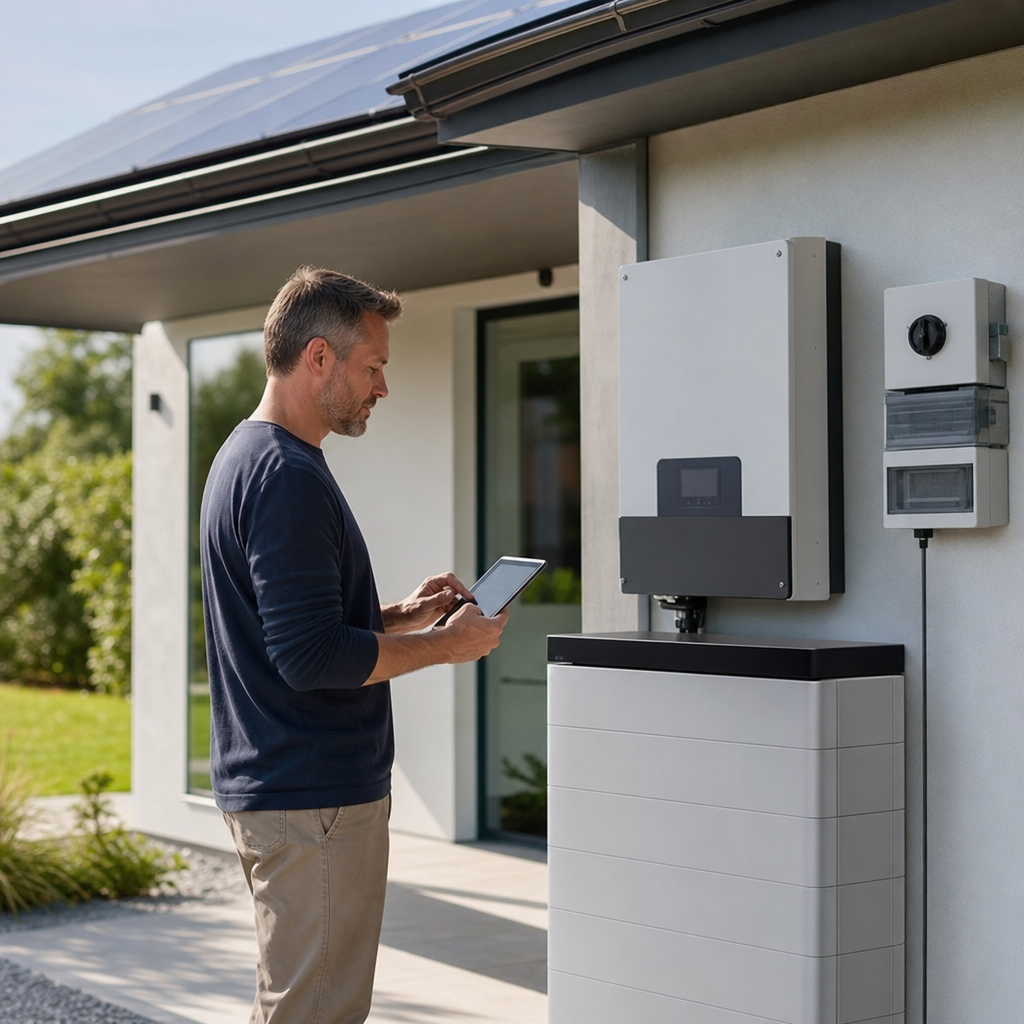
With NEM 3.0 making battery performance central to a system's value, the quality and reliability of both panels and batteries matters more than it did under the old export-focused model. A cheap battery that degrades quickly or a panel that underperforms in partial shade can quietly erode years of expected savings.
This is where sourcing and engineering standards make a measurable difference. Everysun combines US-made, high-efficiency solar panels with Swedish safety and installation standards, an approach that reflects Scandinavian engineering practices known for rigorous electrical safety testing and long-term reliability in demanding climates. Pairing that manufacturing quality with:
...gives homeowners a level of assurance that's hard to find with lower-cost, lower-accountability installers. When comparing bundle quotes, it's worth asking every installer directly about warranty length, battery cycle life, and what happens if equipment underperforms years down the road — not just the upfront price tag.
Before committing to any solar panels and battery storage bundle, homeowners should ask their installer the following:
A transparent installer should be able to answer each of these clearly and in writing. Vague answers or reluctance to itemize costs are red flags worth taking seriously.
A solar panels and battery storage bundle represents one of the more significant home investments a California homeowner will make, typically ranging from $22,000 to $45,000 before incentives, and considerably less once the federal tax credit and SGIP rebates are applied. With NEM 3.0 reshaping the economics of solar in California, bundling storage with panels is no longer just a convenience, it's the financially smarter path for the vast majority of households, offering faster payback, stronger backup protection, and better long-term control over rising electricity costs.
Getting the sizing, equipment quality, and warranty terms right is just as important as getting a competitive price. Homeowners who take the time to compare usable battery capacity, confirm incentive eligibility, and understand what's truly included in an installation guarantee tend to see the strongest long-term returns. For California homeowners ready to explore a properly sized, transparently priced bundle backed by US-made panels, Swedish safety engineering, and a 20-year installation guarantee, www.everysun.com offers a straightforward way to move from rising utility bills to long-term energy independence.
© 2025 Everysun Inc. All Rights Reserved.


Get Your Free Solar Quote
Request your free quote and see how solar can work for your home and budget