Solar Panels for Home California: A Complete Homeowner's Guide
August 31, 2026
|
California
California homeowners face electricity prices well above the U.S. average, while much of the state has strong solar resources. For homeowners considering solar in 2026, the decision depends on site conditions, utility rates, financing terms, battery needs, and expected energy use — not on a one-size-fits-all savings claim.
This guide walks through everything California homeowners need to know: how solar works, what it costs, how much you can save, and how to choose the right installer for a system that will perform reliably for decades.
California's high electricity prices and strong solar resources can make rooftop solar worth evaluating. According to the U.S. Energy Information Administration, California residential electricity prices remain significantly above the national average. Actual savings depend on the home, utility tariff, equipment, and contract terms.
Beyond cost savings, homeowners are motivated by:
Electric vehicles, heat pumps, and other electric appliances can raise household electricity use. Planned future loads should be included when sizing a solar-and-storage system.
A home solar system is more than just panels on a roof. It's an integrated system designed to capture, convert, store, and deliver electricity to your home efficiently.
Everysun designs each system around roof orientation, shading, household usage, planned future loads, and the applicable utility tariff. The company uses high-efficiency, all-black panel options and applies safety practices informed by Swedish installation experience while complying with California codes and local requirements.
There is no reliable statewide price that predicts an individual project. Total cost depends on system size, equipment, roof and electrical work, permitting, battery capacity, backup configuration, and financing charges. Panel count also depends on module wattage, so the same system size can use different numbers of panels.
Homeowners should compare written proposals using the same scope and review the cash price, financed price, price per watt, estimated first-year production, utility-rate assumptions, battery usable capacity, backup loads, warranties, and all dealer or finance fees. Savings projections are estimates, not guarantees, and should be based on the homeowner's actual interval usage and current utility tariff.
Battery pricing varies materially by brand, usable capacity, number of units, electrical upgrades, and whether whole-home or partial backup is included. A site-specific quote is more reliable than a broad statewide range.
Federal tax-credit update: Under current federal law, the Residential Clean Energy Credit under Internal Revenue Code Section 25D is not allowed for expenditures made after December 31, 2025. Homeowners should verify any state, local, or utility program directly with the administering agency and consult a qualified tax professional.
Upfront cost is a major consideration for solar. Cash purchases, loans, PPAs, and leases distribute costs and ownership differently, so homeowners should compare total contract cost and obligations — not only the advertised monthly payment.
Common financing paths include:
Everysun offers cash purchase, solar loan, PPA, and prepaid-PPA options. Ownership, total cost, escalation clauses, transfer terms, maintenance responsibilities, and expected savings differ by structure, so homeowners should compare the full contract rather than only the initial monthly payment.
| Financing Type | Upfront Cost | Who Owns the System | Best For |
|---|---|---|---|
| Cash Purchase | Full amount | Homeowner | Avoiding financing costs |
| Solar Loan | Varies; $0-down may be available | Homeowner | Ownership with scheduled payments |
| PPA | Often $0 | Third party | Buying system output under a long-term contract |
| Lease | $0 or low | Third party | Using equipment for a fixed contractual payment |
Battery storage is increasingly considered alongside residential solar in California. Under the Net Billing Tariff, export compensation often differs from the retail price of electricity and varies by hour, so storing daytime solar for evening use can improve self-consumption. Whether a battery is economical depends on the utility tariff, load profile, battery size, incentives, financing, and backup-power goals.
Key benefits of adding battery storage:
The California Public Utilities Commission oversees net metering policy (NEM), and homeowners should understand current NEM rules before finalizing a system design, since they directly affect the financial calculus of battery storage versus grid export.
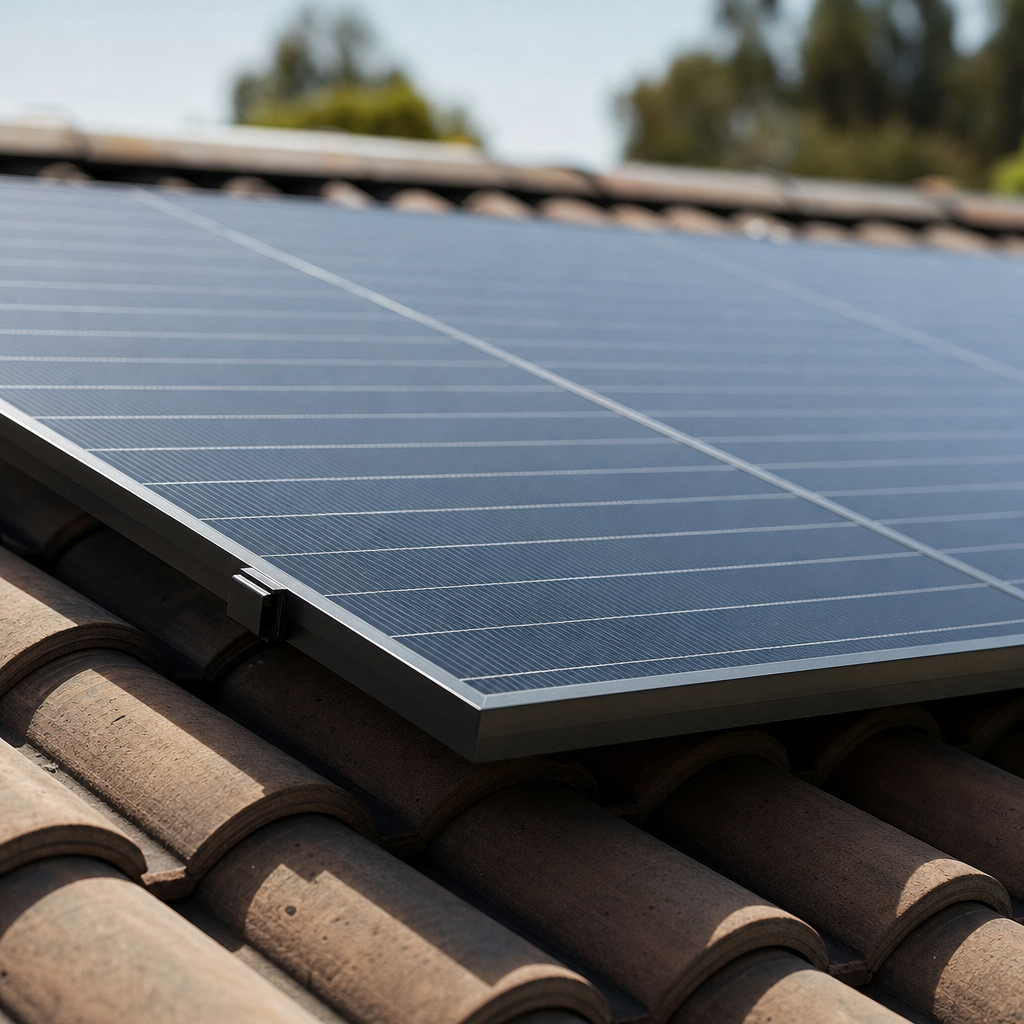
Not all solar installations are created equal, and the quality of installation has a massive impact on system performance, longevity, and safety. When evaluating installers, California homeowners should consider:
Everysun offers high-efficiency panel options and installation practices informed by Swedish safety experience while meeting California code and permitting requirements. Everysun provides a 20-year workmanship warranty, while product and performance coverage depends on the selected manufacturer and model. Homeowners can review options and request a site-specific assessment at www.everysun.com.
Warranty terms vary by manufacturer, model, installer, and financing structure. Compare the written warranty rather than headline years alone.
Everysun provides a 20-year workmanship warranty. Manufacturer product and performance terms vary with the equipment selected, so homeowners should review the actual warranty documents included with the proposal.
Getting the most out of a solar investment requires more than just installing panels. Consider these practical steps:
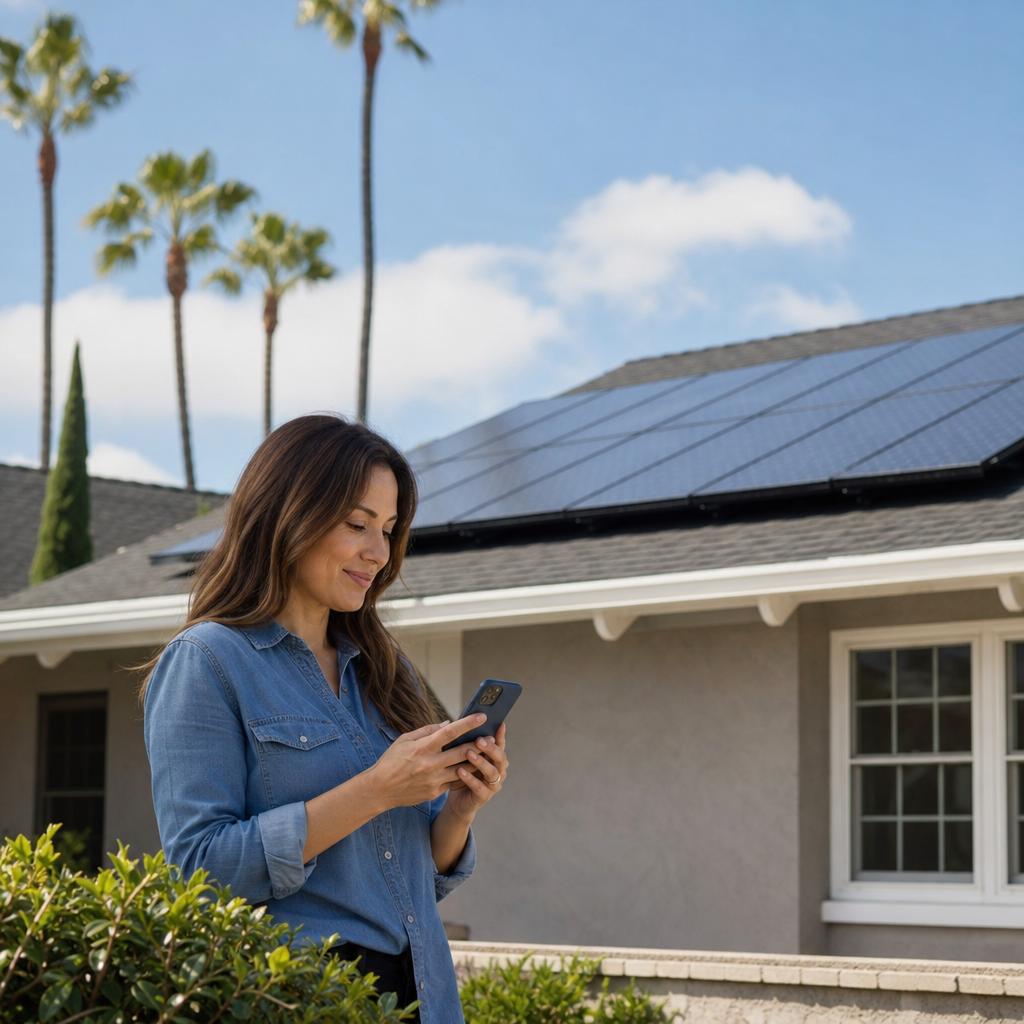
Residential solar can reduce grid electricity purchases and associated emissions. In California, however, system impact depends on when electricity is generated, exported, stored, and consumed. Solar paired with appropriately controlled storage can shift daytime production into higher-demand evening hours, while solar without storage does not necessarily reduce the system's evening peak.
Distributed generation can avoid some transmission and distribution losses because electricity may be produced near where it is used. Grid impacts remain location- and time-dependent, and high local solar penetration can also create operational constraints.
Avoided emissions vary with annual production, the electricity displaced at each hour, curtailment, and the grid's emissions intensity. Any carbon estimate should state those assumptions rather than applying a fixed number of tons to every 6 kW system.
Does solar work on cloudy or foggy days? Yes. Panels still generate electricity in indirect light, though at reduced output compared to direct sunlight. California's overall high number of sunny days per year makes it well-suited for consistent solar production regardless of occasional cloud cover.
How long does installation take?
The on-site installation itself often takes one to three days for a straightforward project. The full process — design, permitting, utility review, inspection, interconnection, and permission to operate — commonly takes weeks to months and can take longer when electrical upgrades or utility studies are required.
What happens during a power outage? Standard grid-tied solar systems without battery storage shut off automatically during outages for safety reasons. Systems paired with battery storage can continue powering the home, provided they're configured with the appropriate backup transfer equipment.
Do solar panels require a lot of maintenance? Generally, no. Occasional cleaning and periodic professional inspections are typically sufficient to maintain performance over the system's lifespan.
Will solar increase my home's value?
Owned solar may support resale value, but outcomes vary by local market, system age and condition, remaining warranty, utility tariff, and buyer preferences. Loans, leases, and PPAs can also introduce payoff or transfer requirements, so contract terms should be reviewed before listing a home.
Solar can reduce grid electricity purchases and add backup capability when paired with correctly configured storage, but project economics vary. A sound decision starts with actual energy usage, roof and electrical conditions, the current utility tariff, realistic production modeling, and a comparison of cash and financed contract terms.
Everysun offers high-efficiency, all-black panel options, installation practices informed by Swedish safety experience, a 20-year workmanship warranty, and manufacturer warranties that vary by selected equipment. Homeowners can request a custom assessment at www.everysun.com based on their roof, energy use, utility, backup needs, and budget.
© 2025 Everysun Inc. All Rights Reserved.


Get Your Free Solar Quote
Request your free quote and see how solar can work for your home and budget