Finding Trusted Solar Panel Installation Near Me in California
September 3, 2026
|
California
When California homeowners type "solar panel installation near me" into a search engine, they're usually standing at the intersection of two pressures: rising utility bills and a genuine desire to power their homes with cleaner, more predictable energy. That search is the easy part. The harder part is knowing what separates a reputable local installer from a national sales operation, what a fair price actually looks like in 2026, and how to make sure your new system performs for decades rather than just years.
This article walks through everything that search should surface but often doesn't — how to vet installers, what a proper installation involves, what it costs, and how companies like Everysun approach residential solar differently by combining American-made equipment with rigorous Scandinavian safety and installation standards.
Solar panels themselves are largely commoditized products, but installation quality varies enormously by region and by company. Searching locally matters for several practical reasons:
Not every company that shows up in a "solar panel installation near me" search deserves your roof. Here's a practical checklist homeowners should run through before signing a contract.
Everysun, for example, designs systems using US-manufactured, high-efficiency panels while applying Swedish-derived safety and installation protocols — an approach built around minimizing electrical faults and maximizing long-term structural integrity, both of which matter more in California's fire-conscious building code environment than in most other states.
A quality solar installation is a multi-stage process, and understanding each stage helps homeowners recognize whether a company is cutting corners.
A technician or engineer evaluates your roof's structural condition, orientation, shading from trees or neighboring structures, and your electrical panel's capacity. This stage should include a review of your historical energy usage to right-size the system rather than oversell capacity you don't need.
Your installer submits plans to your local building department and your utility for interconnection approval. In most California jurisdictions that have adopted SolarAPP+, an automated permitting platform developed with the National Renewable Energy Laboratory, this stage can be completed in days rather than weeks.
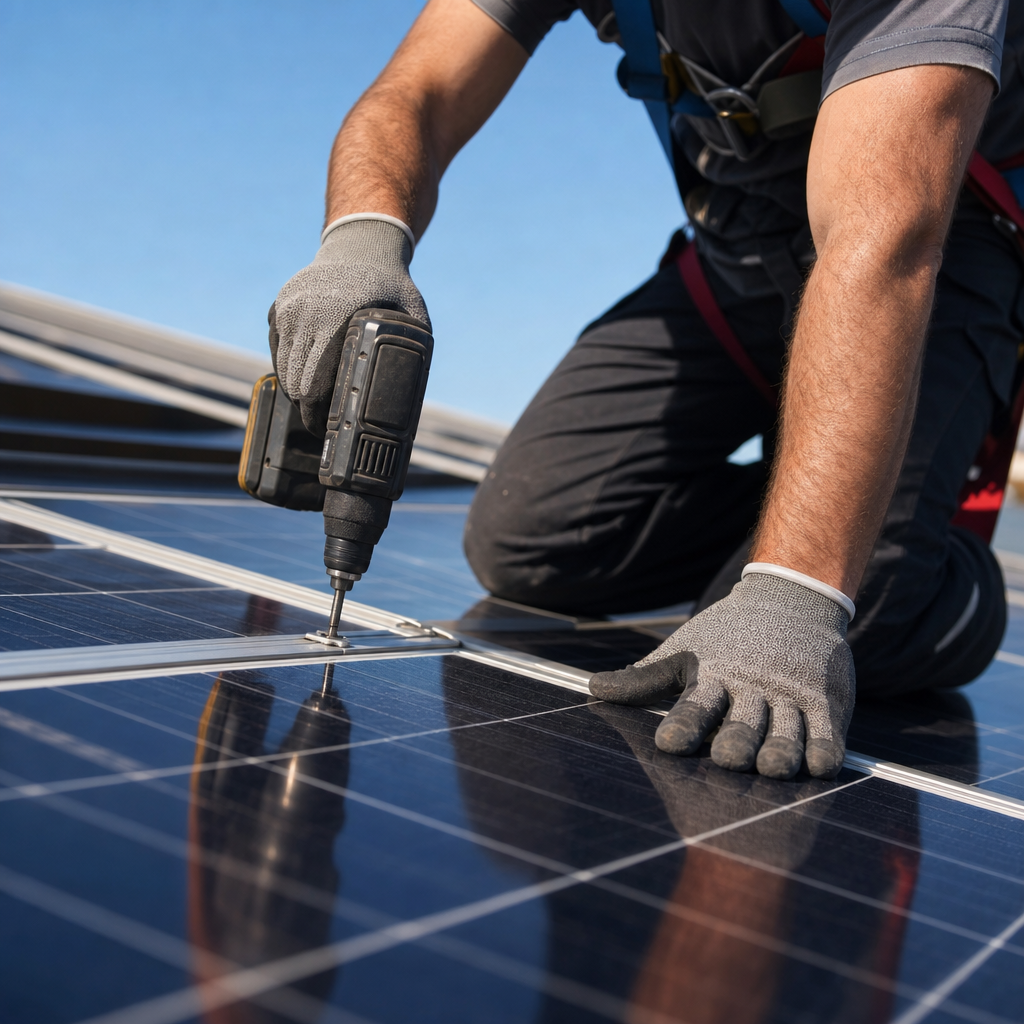
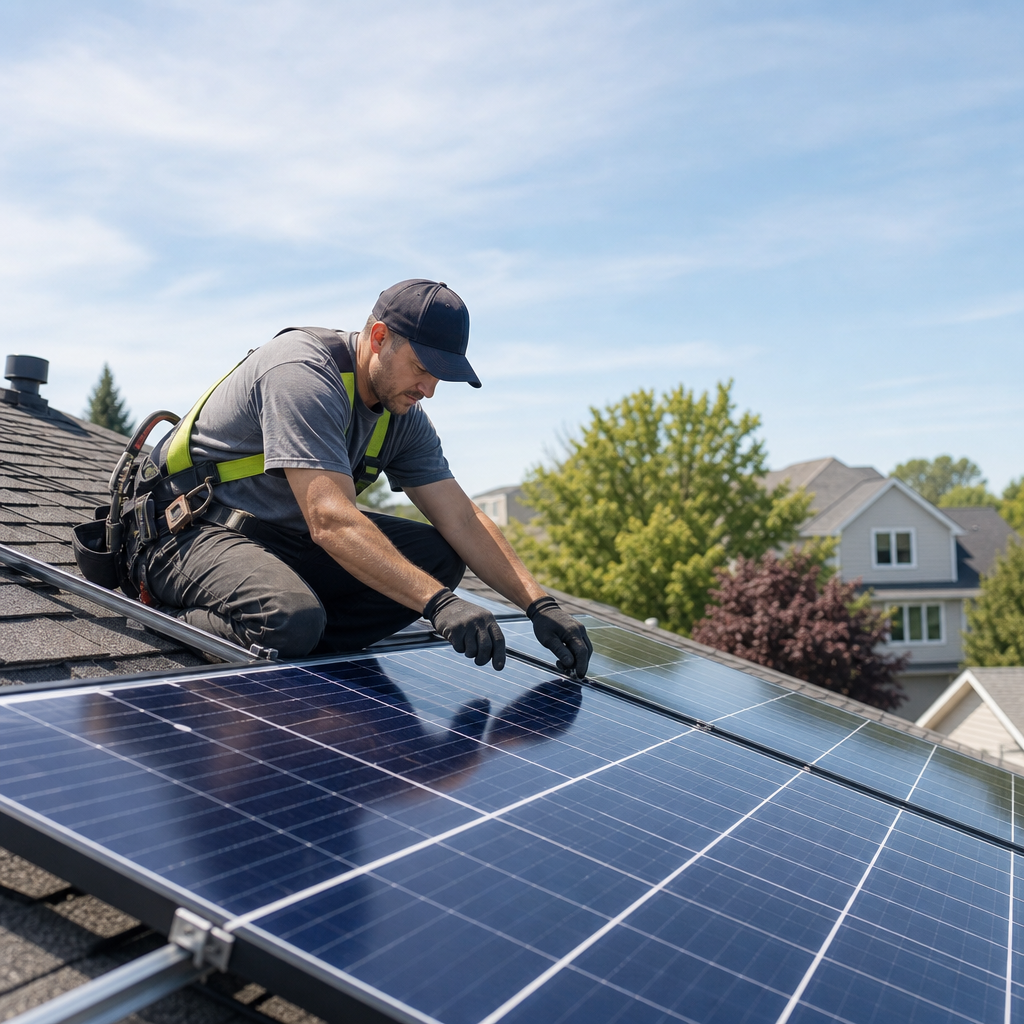
Crews mount racking, install panels, wire the system to an inverter (string or microinverter, depending on design), and connect to your electrical panel and, if included, a battery storage unit. This typically takes one to three days for an average residential system.
A local building inspector verifies the installation meets code, after which your utility issues Permission to Operate, allowing the system to legally connect to the grid and begin generating billing credits.
Pricing varies by system size, equipment tier, and whether battery storage is included. Below is a general breakdown reflecting typical California market pricing as of 2026, before incentives.
| System Size | Estimated Panel Count | Average Installed Cost (Before Incentives) | Typical Annual Production |
|---|---|---|---|
| 4 kW | 10-11 panels | $14,000 - $17,000 | 6,000 - 6,800 kWh |
| 6 kW | 15-16 panels | $18,000 - $22,000 | 9,000 - 10,200 kWh |
| 8 kW | 20-21 panels | $23,000 - $28,000 | 12,000 - 13,600 kWh |
| 10 kW | 25-26 panels | $28,000 - $34,000 | 15,000 - 17,000 kWh |
Adding battery storage typically increases total project cost by $9,000 to $16,000 depending on capacity, but battery-equipped systems allow homeowners to store daytime solar production for evening use — an increasingly important consideration under NEM 3.0's less favorable export compensation rates.
Homeowners should also factor in the federal solar investment tax credit, which continues to allow a substantial percentage of total system cost to be claimed as a tax credit, significantly reducing the effective net price of a system.
Beyond upfront pricing, homeowners need to decide how they want to pay for a system. Each model carries different long-term financial implications.
| Payment Model | Upfront Cost | Who Owns the System | Long-Term Savings Potential | Eligible for Tax Credit |
|---|---|---|---|---|
| Cash Purchase | Full amount upfront | Homeowner | Highest | Yes |
| Solar Loan | Low or $0 down | Homeowner | High | Yes |
| Lease | $0 down | Solar Company | Lower | No |
| Power Purchase Agreement (PPA) | $0 down | Solar Company | Lower | No |
Cash purchases and solar loans generally deliver the greatest long-term value because the homeowner retains ownership, qualifies for the tax credit, and benefits from the full increase in home resale value that solar ownership typically provides. Leases and PPAs can lower the barrier to entry but transfer both the tax benefit and long-term equity to the solar company. This is one reason Everysun emphasizes flexible ownership-based payment options rather than leasing arrangements — helping homeowners build equity in their own energy system rather than renting someone else's.
With California's shift to NEM 3.0 net billing, exporting excess solar power to the grid now earns homeowners significantly less credit than it did under prior net metering rules. This has made battery storage far more relevant to the financial case for solar. A well-sized battery allows a home to:
The U.S. Department of Energy notes that pairing solar with storage is becoming standard practice in states with time-of-use rate structures and frequent grid reliability events — a category California increasingly falls into given wildfire-related shutoffs.
Warranty language is one of the most misunderstood parts of a solar contract. There are three distinct warranty types, and homeowners should confirm all three before signing:
Everysun structures its offering around a 20-year installation guarantee alongside 25-year product warranties, aligning the labor warranty far more closely with the equipment warranty than many competitors do. That alignment matters: a panel that lasts 25 years is far less valuable to a homeowner if the mounting hardware or wiring behind it is only guaranteed for five.
Because solar has attracted aggressive door-to-door and telemarketing sales tactics in recent years, California's own consumer protection agencies have issued guidance on what to avoid. Watch for:
The California Public Utilities Commission and California Solar Consumer Protection Guide both publish homeowner resources outlining acceptable sales practices and how to file complaints if an installer misrepresents savings or financing terms.
A short, direct list of questions can quickly separate a trustworthy local installer from an aggressive sales operation:
A confident, transparent installer should be able to answer each of these clearly and in writing.
Solar panels require relatively little maintenance, but homeowners should still understand what long-term ownership involves:
Choosing a solar installer is ultimately a decision about who you trust to be on your roof, in your electrical panel, and available for warranty service over the next two decades. Price matters, but it should never be the only variable. Equipment origin, workmanship warranty length, installer licensing, and local track record all directly affect whether a system performs reliably for its full expected lifespan.
For California homeowners comparing local options, Everysun offers a useful benchmark: US-made high-efficiency panels, installation standards drawn from Swedish safety practices, flexible payment structures that preserve homeowner ownership and tax credit eligibility, a 20-year installation guarantee, and 25-year product warranties. That combination reflects the standard homeowners should expect to find — and should feel comfortable asking every installer they research locally to match.
Solar remains one of the most effective long-term investments a California homeowner can make in reducing electricity costs and improving energy resilience, but the value of that investment depends entirely on installation quality. Taking the time to properly vet a local installer, understand true costs, and confirm warranty terms will determine whether a system delivers reliable savings for the next 25 years or becomes a source of ongoing frustration. When you're ready to move from research to action, www.everysun.com provides a straightforward starting point for California homeowners who want professional-grade solar installation backed by strong warranties and transparent, ownership-focused financing.
© 2025 Everysun Inc. All Rights Reserved.


Get Your Free Solar Quote
Request your free quote and see how solar can work for your home and budget