What Does a Home Solar System With Battery Backup Actually Cost and Deliver?
September 4, 2026
|
California
Rolling blackouts, wildfire-related power shutoffs, and rising utility rates have pushed thousands of California homeowners to ask the same question: is it time to install a home solar system with battery backup? Unlike a standard grid-tied solar array, a battery-backed system keeps your lights on, your refrigerator running, and your medical equipment powered even when the grid goes down. It also gives you far more control over how and when you use the electricity your panels generate.
This article breaks down how these systems work, what they cost in 2026, how to size one correctly, and what to look for in an installer — so you can make a confident, informed decision for your home.
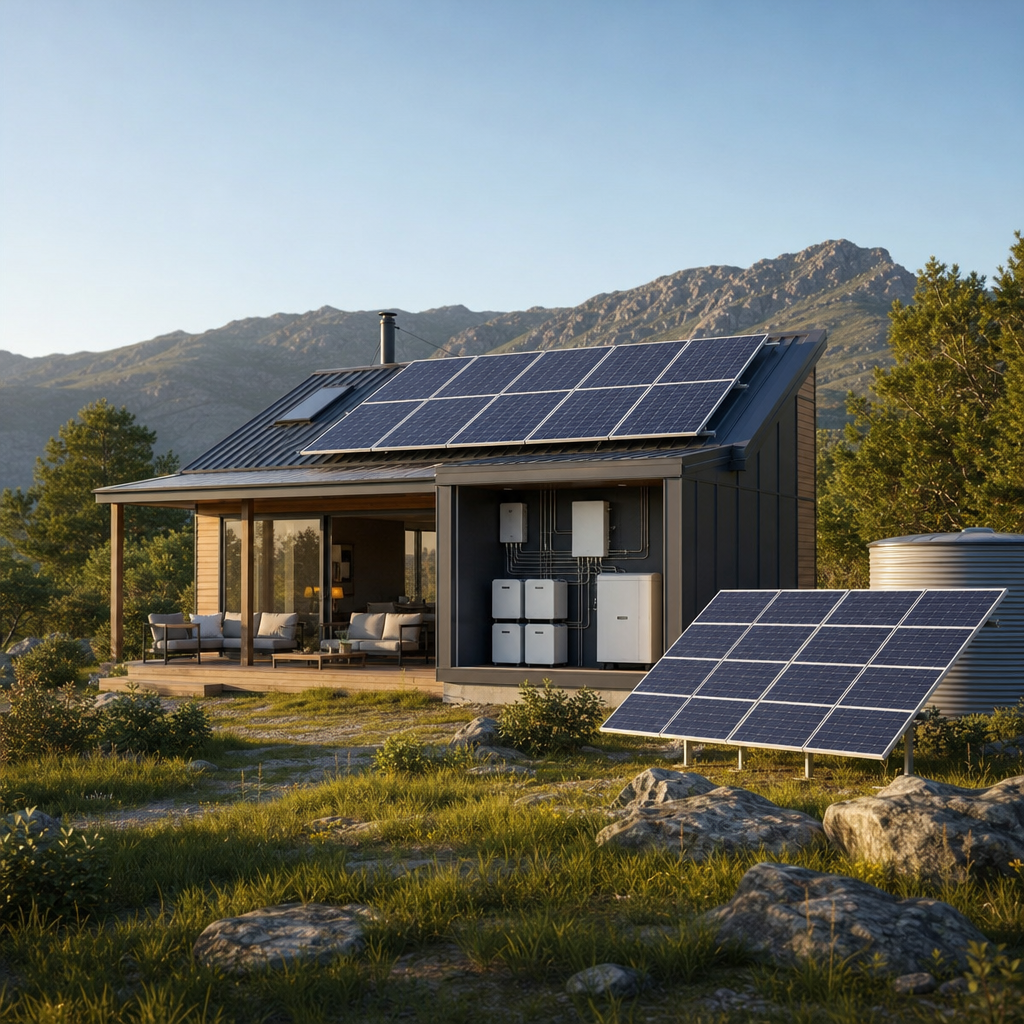
A home solar system with battery backup combines three core components: solar panels, an inverter, and a battery storage unit. Here's how energy typically flows through the system:
This setup is fundamentally different from a solar-only system, which stops producing usable power the moment the grid goes down, for safety reasons. Battery backup systems use automatic transfer switches or smart inverters to island your home from the grid, keeping designated circuits — or your whole house — running independently.
California's unique combination of high electricity rates, frequent Public Safety Power Shutoffs (PSPS), and evolving net metering rules has made battery storage far more attractive than it was just a few years ago. According to the U.S. Energy Information Administration, California residential electricity rates remain among the highest in the country, and they continue to trend upward.
At the same time, the state's shift to the NEM 3.0 billing structure has significantly reduced the value of exporting excess solar power to the grid. Under the current framework, detailed by the California Public Utilities Commission, homeowners are compensated far less for surplus solar energy than they were under previous net metering rules. This makes storing your own power in a battery — rather than selling it back cheaply — a much smarter financial move.
Key reasons California homeowners are adding batteries include:
Pricing varies significantly based on system size, battery capacity, roof complexity, and equipment brand. Below is a general cost breakdown for California homeowners considering a solar-plus-storage system this year.
| System Component | Typical Size | Estimated Cost Range (2026) |
|---|---|---|
| Solar panel system only | 6–8 kW | $16,000 – $24,000 |
| Single battery unit | 10–13.5 kWh | $9,000 – $14,000 |
| Solar + single battery | 6–8 kW + 1 battery | $25,000 – $35,000 |
| Solar + dual battery (whole-home backup) | 8–10 kW + 2 batteries | $38,000 – $52,000 |
These figures reflect equipment, permitting, labor, and inspection costs before incentives. Battery pricing can vary depending on whether you choose a lithium iron phosphate (LFP) battery — now the industry standard for safety — or an older chemistry.
It's worth noting that most homeowners don't pay the full amount upfront. Financing options, solar loans, and lease-to-own arrangements have made it possible to install a system with $0 down and pay it off through predictable monthly payments, often lower than a typical utility bill. Companies like www.everysun.com offer flexible payment structures specifically designed to make solar and battery storage accessible without a large upfront cash outlay.
Even though California's state-level solar rebate programs have wound down in recent years, the federal government still offers a substantial incentive.
Stacking these incentives can meaningfully reduce your net cost, sometimes by $8,000–$15,000 or more on a typical residential system.
One of the most common mistakes homeowners make is undersizing their battery, then feeling disappointed when it can't power the whole house during an outage. Correct sizing depends on your household's daily energy consumption, your backup goals, and your local climate.
| Household Backup Goal | Recommended Battery Capacity | Typical Number of Batteries |
|---|---|---|
| Essential circuits only (fridge, lights, WiFi, outlets) | 5–10 kWh | 1 |
| Most of home, moderate usage | 10–20 kWh | 1–2 |
| Whole-home backup, including HVAC | 20–30+ kWh | 2–3 |
| Whole-home + EV charging backup | 30–40+ kWh | 3+ |
Working with an experienced designer matters here. An experienced installer such as www.everysun.com will typically perform a full load analysis of your home before recommending a battery configuration, rather than defaulting to a one-size-fits-all package.
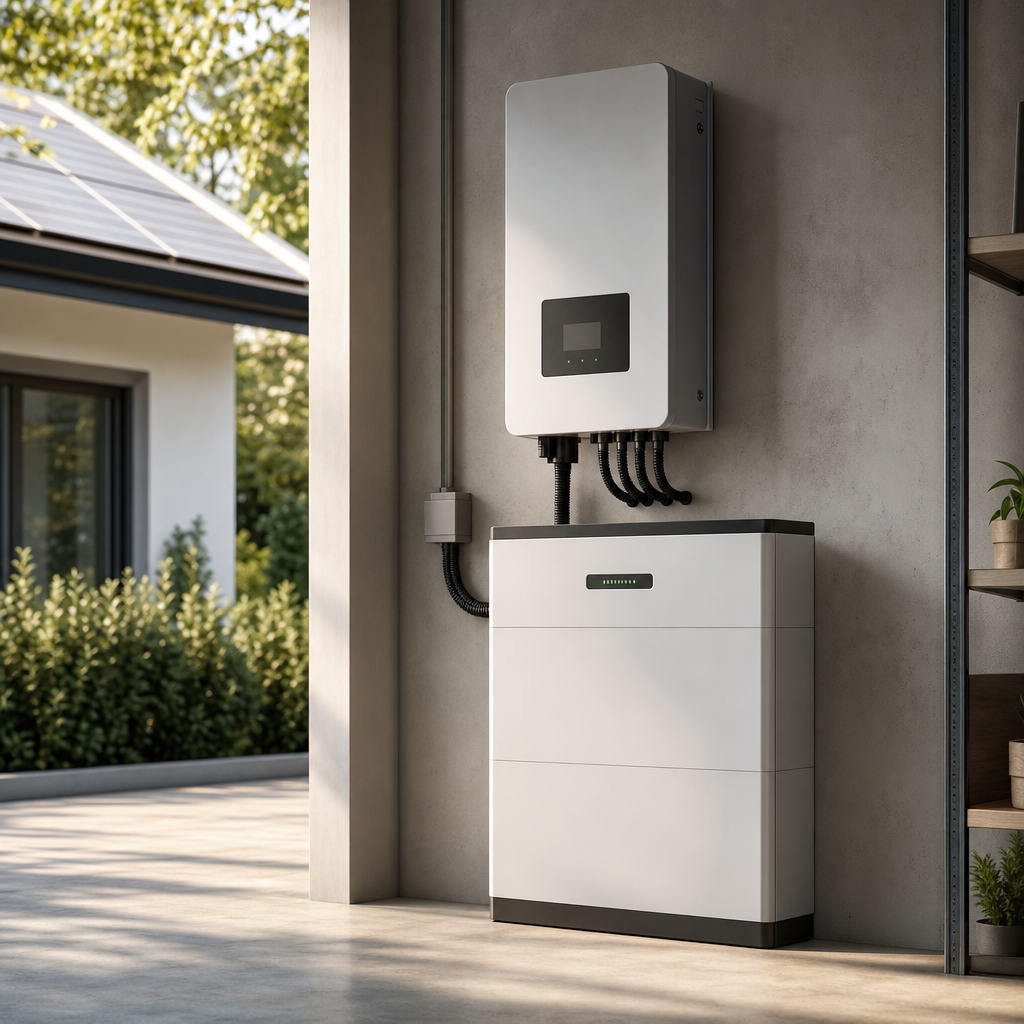
Not all batteries are built the same way, and the chemistry inside them significantly affects safety, lifespan, and performance.
Lithium Iron Phosphate (LFP/LiFePO4) has become the dominant chemistry for residential battery storage because it is:
Older Nickel Manganese Cobalt (NMC) batteries, while still in use in some products, carry a higher risk profile and are gradually being phased out of new residential installations in favor of LFP chemistry, according to guidance published by the National Renewable Energy Laboratory.
Safety certification also matters. Look for batteries certified under UL 9540 and UL 9540A standards, which test for fire safety and thermal runaway propagation. This is an area where installation standards make a real difference — Everysun's Swedish-influenced safety protocols apply some of the strictest European electrical and fire-safety practices to every residential installation, going beyond baseline U.S. code requirements in areas like conduit management, disconnect placement, and battery enclosure ventilation.
While there are several reputable battery manufacturers on the market, homeowners should compare based on usable capacity, round-trip efficiency, warranty length, and whether the unit supports whole-home or partial-home backup.
| Feature | Standard Partial-Home Battery | Whole-Home Backup Battery Bank |
|---|---|---|
| Usable capacity | 5–13.5 kWh | 20–40+ kWh |
| Circuits covered | Select essential circuits | Entire home, including HVAC |
| Typical warranty | 10 years | 10 years |
| Best for | Smaller households, budget-conscious buyers | Larger homes, medical needs, frequent outages |
| Expandability | Often stackable | Modular, built for expansion |
When evaluating warranties, pay close attention to guaranteed capacity retention. Many manufacturers guarantee the battery will retain at least 70% of its original capacity after 10 years — a detail that's easy to overlook but critical for long-term value.
A high-efficiency panel and a premium battery can still underperform if installed poorly. Improper wiring, inadequate roof penetration sealing, undersized conduit, or incorrect inverter programming can all reduce system output and create safety risks over time.
This is why installation credentials and warranties deserve as much scrutiny as the equipment brand itself. When comparing installers, ask about:
Everysun addresses this gap directly by pairing US-made, high-efficiency panels with installation practices drawn from Swedish safety standards, backed by a 20-year installation guarantee and 25-year product warranties. That combination of equipment quality and long-term accountability is designed to give homeowners confidence well beyond the first few years of ownership.
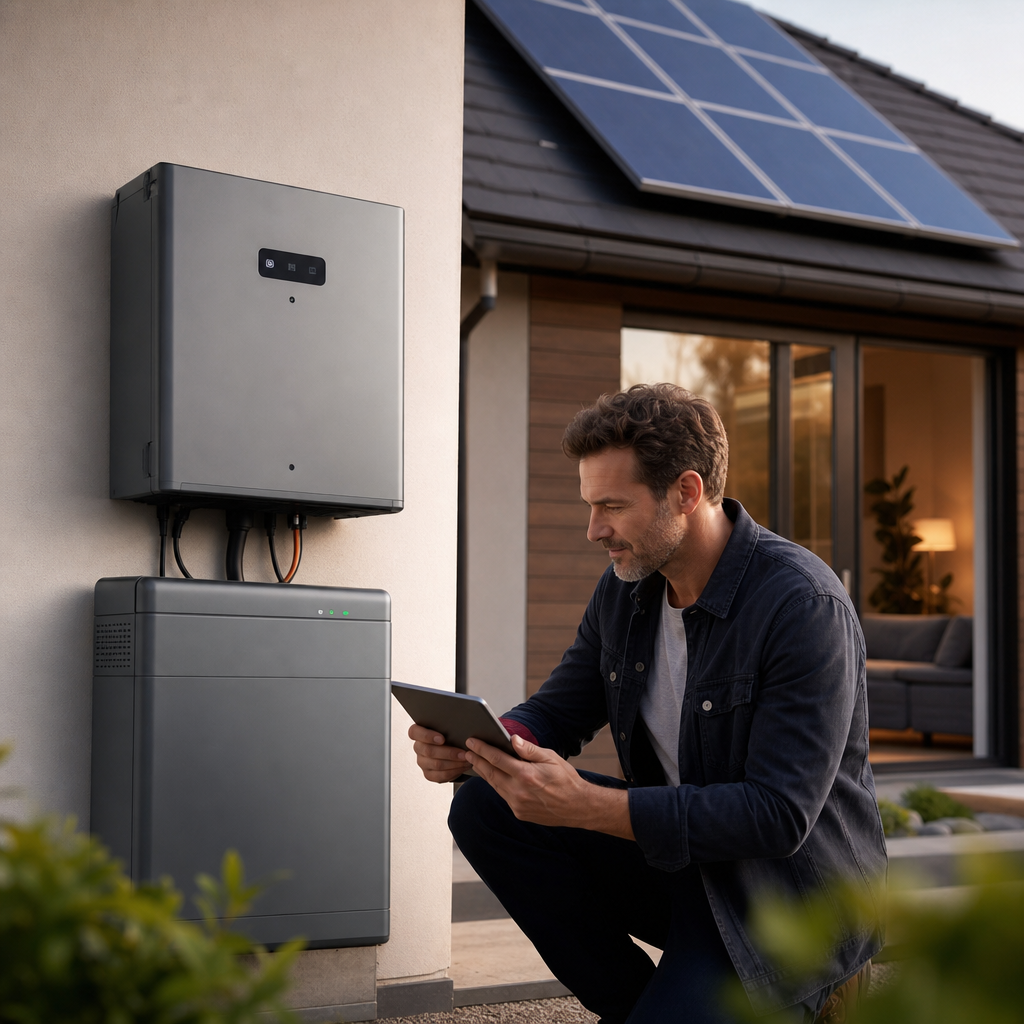
Once your system is installed, ongoing maintenance is minimal but not nonexistent. Most homeowners should expect the following routine tasks:
Most reputable installers include remote monitoring as part of the system, alerting both the homeowner and the company automatically if production drops unexpectedly — often before the homeowner would even notice a problem.
Will my system work during a total grid outage? Yes, as long as it's equipped with a battery and the appropriate transfer equipment. Solar-only systems without batteries are required to shut down during outages for utility worker safety, per standard interconnection rules referenced by utility interconnection guidelines.
How long does a home battery last during an outage? This depends on battery capacity and what's running. A single 10–13 kWh battery might power essential circuits for 8–24 hours, while a multi-battery whole-home setup can extend backup for several days, especially if usage is managed carefully.
Do batteries work well with rooftop solar in cloudy weather? Yes, though production will be lower. Properly sized systems account for California's seasonal sunlight variation, and batteries help smooth out day-to-day inconsistency by storing surplus energy on sunnier days.
Is battery backup worth it if I don't experience frequent outages? Under NEM 3.0, batteries often pay for themselves through bill savings alone by shifting self-consumption to peak rate hours, independent of outage protection.
For most California homeowners in 2026, the decision to add battery storage to a solar system comes down to three factors: exposure to outages, evening electricity usage patterns, and long-term financial goals. Homes in wildfire-prone or PSPS-affected regions gain obvious resilience benefits, while homes with high evening energy use benefit financially by avoiding peak time-of-use rates. Even homeowners without either concern often find that battery storage improves their overall return on solar investment under current billing structures.
Choosing the right partner for design and installation is just as important as the decision to go solar in the first place. A qualified installer will evaluate your roof, your household's energy habits, and your local utility's rate structure before recommending a system — not simply upsell the largest battery available.
A home solar system with battery backup has moved from a luxury add-on to a practical necessity for many California households, driven by high electricity rates, wildfire-related outages, and changing net metering economics. The right system, properly sized and professionally installed, can deliver both energy independence and meaningful long-term savings.
Everysun combines US-made, high-efficiency solar panels with installation practices rooted in Swedish safety standards, backed by a 20-year installation guarantee and 25-year product warranties, along with flexible payment options that make going solar more accessible. If you're ready to explore whether a home solar system with battery backup makes sense for your household, www.everysun.com offers the local expertise and long-term accountability California homeowners need to make the switch with confidence.
© 2025 Everysun Inc. All Rights Reserved.


Get Your Free Solar Quote
Request your free quote and see how solar can work for your home and budget