California Homeowners Need a Solar Panel Repair and Maintenance Plan—Here's Why
October 20, 2026
|
California
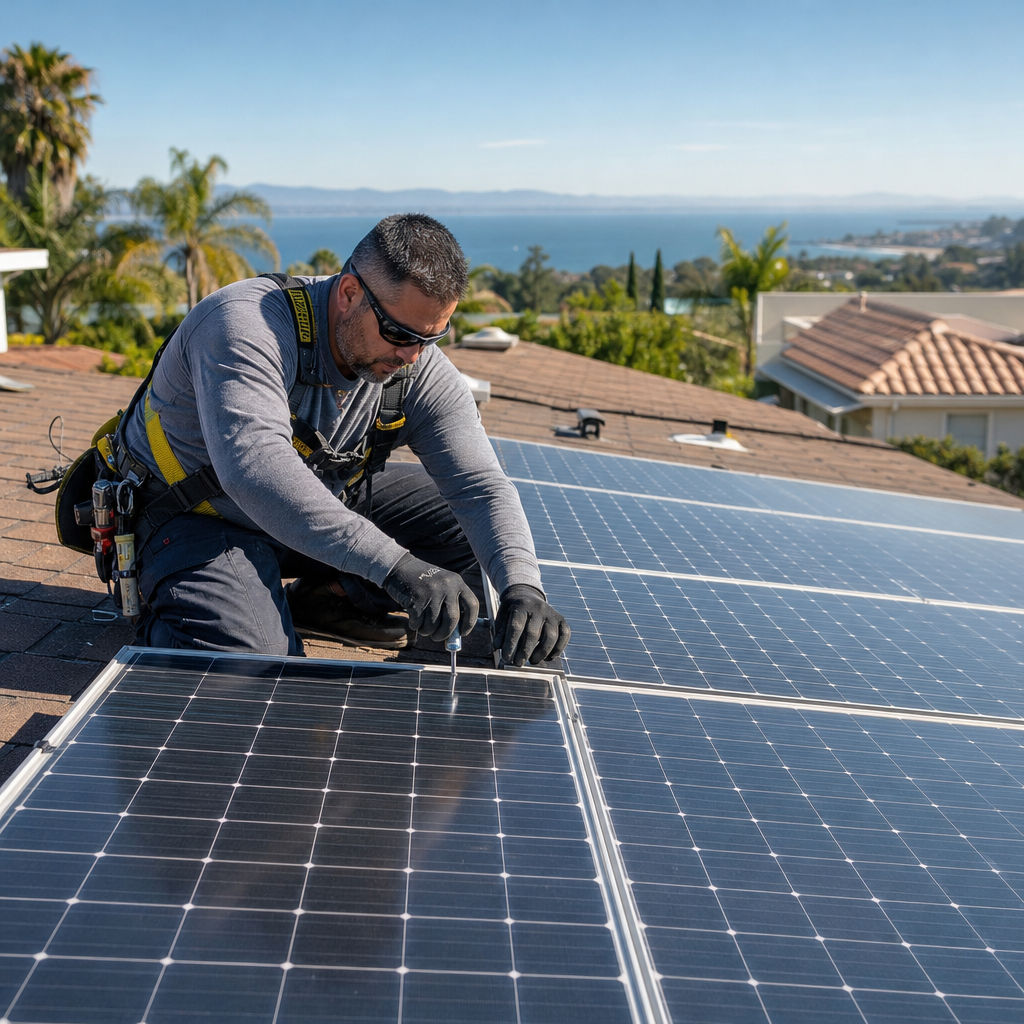
California homeowners have embraced solar power faster than almost anywhere else in the country, with millions of rooftops now generating clean electricity across the state. But owning a solar panel system is not a "set it and forget it" investment. Like any home system exposed to sun, dust, wind, and the occasional wildfire smoke event, solar panels and batteries need regular attention to keep performing at peak efficiency. Understanding solar panel repair and maintenance in California is essential for protecting your investment, maximizing energy savings, and avoiding costly surprises down the road.
This article walks through what California homeowners should know about maintaining their solar systems, common repair issues, maintenance schedules, costs, and how to choose a provider that stands behind its work for decades, not just years.
California's climate is generally kind to solar panels—plenty of sunshine, mild winters, and long daylight hours. But the state also presents unique challenges that make regular maintenance especially important:
According to the U.S. Department of Energy, a well-maintained solar system can retain over 90% of its original output after 25 years, while a neglected system may lose significant efficiency much sooner. For California homeowners who rely on solar to offset notoriously high utility rates from providers like PG&E, SCE, and SDG&E, even a 10-15% drop in output can mean hundreds of dollars in lost annual savings.
Most solar issues are preventable or easily fixed when caught early. Here are the most frequent problems California homeowners encounter:
The National Renewable Energy Laboratory has published extensive research showing that inverters are the most common point of failure in residential solar systems, often needing replacement or repair before the panels themselves show any wear. This is why choosing a system with a strong warranty on both panels and inverters is critical.
A proactive maintenance routine prevents small issues from becoming expensive repairs. Below is a general schedule California homeowners can follow, though specific needs vary by location and system type.
| Maintenance Task | Frequency | Who Should Do It |
|---|---|---|
| Visual inspection for debris/damage | Monthly | Homeowner |
| Panel cleaning | 2-4 times per year | Homeowner or professional |
| Performance monitoring check | Monthly | Homeowner (via app) |
| Professional system inspection | Annually | Licensed solar technician |
| Inverter inspection | Annually | Licensed solar technician |
| Wiring and connection check | Every 2-3 years | Licensed solar technician |
| Battery health check | Annually | Licensed solar technician |
| Post-wildfire/storm inspection | As needed | Licensed solar technician |
Homeowners in high-dust or agricultural areas, such as Fresno or Bakersfield, may need more frequent cleanings, while coastal homeowners should prioritize corrosion checks on mounting hardware and connectors.
Costs vary significantly based on the issue, system size, and location, but understanding typical price ranges helps homeowners budget appropriately and avoid overpaying for simple fixes.
| Service | Estimated Cost Range |
|---|---|
| Professional panel cleaning | $150 – $350 per visit |
| Annual inspection | $150 – $300 |
| Inverter repair | $300 – $900 |
| Inverter replacement | $1,000 – $2,500 |
| Micro-crack panel replacement | $200 – $400 per panel |
| Wiring repair | $150 – $600 |
| Battery diagnostic/service | $200 – $500 |
| Rodent damage repair | $300 – $800 |
These figures are general estimates and can vary by installer and region. Homeowners with active warranties—particularly extended workmanship or product warranties—may have many of these costs covered entirely. This is one of the strongest arguments for choosing an installer that offers long-term protection rather than a bare-minimum warranty.
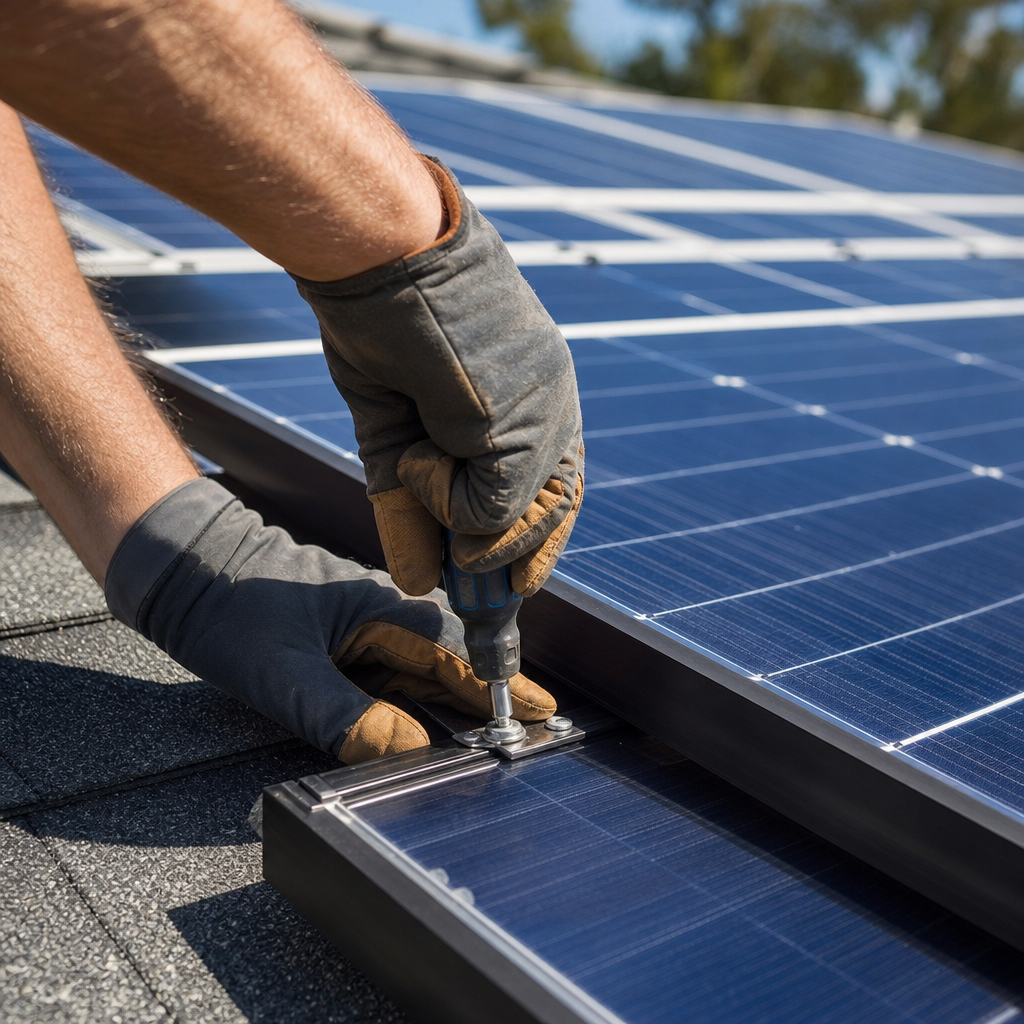
Warranties are arguably the most overlooked factor when homeowners choose a solar provider, yet they determine who pays for repairs years down the line. There are generally three types of warranties to understand:
This is where the difference between installers becomes stark. Many companies offer only a 5 or 10-year workmanship warranty, leaving homeowners exposed to installation-related repair costs well before the panels themselves wear out. Everysun takes a different approach, backing every installation with a 20-year installation guarantee alongside 25-year product warranties on its US-made, high-efficiency panels. This combination reflects the company's Swedish-influenced safety and installation standards, which emphasize long-term reliability over short-term cost-cutting.
When evaluating any solar provider, homeowners should ask directly:
That last question matters more than homeowners often realize. The solar industry has seen numerous installer bankruptcies and consolidations over the past decade, leaving customers with "orphaned" systems and warranties that are difficult or impossible to honor. Choosing an established company with a track record of financial stability and local service reduces this risk substantially.
Many California homeowners wonder how much maintenance they can safely handle themselves versus when to call a professional. Here's a practical breakdown:
Safe for homeowners to do:
Best left to licensed professionals:
The California Solar Energy Industries Association and the Solar Energy Industries Association both emphasize that rooftop work carries real safety risks, and amateur electrical work on a solar system can void warranties or create fire hazards. Given that panels carry electrical current even when the home's main power is off, professional servicing isn't just a convenience—it's a safety necessity.
One of the most valuable tools in modern solar panel repair and maintenance in California is real-time performance monitoring. Nearly all modern residential solar systems include an app or web dashboard that tracks:
This technology allows homeowners and their installers to identify problems—like a failing inverter or a shaded panel—often before the homeowner would notice any visible symptoms. A sudden 20% drop in production, for example, might indicate a single malfunctioning panel rather than a system-wide issue, allowing for a targeted and inexpensive repair rather than a full system overhaul.
Homeowners working with Everysun benefit from this kind of proactive monitoring as part of their ongoing system support, helping catch issues early and minimizing both repair costs and lost energy production.
As more California homeowners pair solar panels with battery storage—partly in response to time-of-use electricity rates and the state's Net Billing Tariff structure—battery maintenance has become an increasingly important topic. Unlike panels, which have no moving parts and degrade very slowly, batteries are electrochemical systems that naturally lose capacity over time.
Key battery maintenance considerations include:
According to information published by the California Public Utilities Commission, battery storage adoption in California has grown dramatically in recent years as homeowners seek to maximize self-consumption of solar energy and reduce reliance on the grid during peak pricing periods. Proper maintenance ensures these systems deliver their full expected lifespan, typically 10-15 years before capacity degrades significantly.
Homeowners should schedule a professional inspection if they notice any of the following warning signs:
Ignoring these signs can lead to more expensive repairs later and, in some cases, void manufacturer warranties if damage is left unaddressed for too long.
Not all solar companies offer the same level of post-installation support. When selecting a provider for ongoing solar panel repair and maintenance in California, homeowners should consider:
Everysun combines US-made, high-efficiency panels with installation practices designed for long-term durability, backed by a 20-year installation guarantee and 25-year product warranties. This structure is specifically designed to minimize the financial burden of maintenance and repair issues that many California homeowners face with less comprehensive providers. Learn more about system options and warranty coverage at www.everysun.com.
Solar panel systems represent one of the most significant home upgrades a California homeowner can make, both for monthly utility savings and long-term property value. But the value of that investment depends heavily on consistent maintenance and access to reliable repair service when issues arise. From routine cleaning and visual inspections to professional annual check-ups and battery health monitoring, a proactive approach protects performance and extends system lifespan well beyond the 20-year mark.
Choosing an installer with strong warranties, transparent maintenance pricing, and a genuine local presence makes all the difference when something eventually needs attention. Everysun was built around this principle—pairing high-efficiency, US-made panels with rigorous Swedish safety and installation standards, flexible payment options, and warranty coverage that actually protects homeowners for the long haul. For California homeowners who want solar power they can depend on for decades, not just years, www.everysun.com offers the combination of quality, service, and peace of mind that makes solar a truly worry-free investment.
© 2025 Everysun Inc. All Rights Reserved.


Get Your Free Solar Quote
Request your free quote and see how solar can work for your home and budget