7 Key Factors That Determine Solar Panel Installation Cost California Homeowners Pay
August 31, 2026
|
California
California remains one of the most compelling markets in the country for residential solar, thanks to abundant sunshine, high electricity rates, and a mature installer ecosystem. Yet the question every homeowner asks first is simple: how much will it actually cost? The answer depends on several interconnected variables, from system size and equipment quality to your roof's condition and the incentives available in 2026. This article breaks down the seven biggest cost factors so you can budget accurately and compare quotes with confidence.
There is no responsible one-size-fits-all price for a California solar installation. The total depends on the home's energy use, roof geometry and condition, equipment, electrical work, permitting, utility requirements, and payment structure. A site-specific design and itemized proposal are more reliable than statewide per-watt averages.
The single biggest driver of total cost is system size, which is calculated based on your household's historical electricity consumption. A larger family running air conditioning through a Central Valley summer will need a substantially bigger array than a two-person household in a mild coastal climate like San Diego.
To right-size a system, installers typically review:
Oversizing a system wastes money, while undersizing it limits your savings potential. A professional site assessment, like the ones performed by www.everysun.com, ensures the system is calibrated to actual need rather than a generic estimate.
Not all solar equipment is created equal, and the components you choose significantly affect both upfront cost and long-term performance. Budget panels may cost less initially but often carry shorter warranties and lower efficiency ratings, meaning you need more panels to generate the same output.
Everysun uses US-made high-efficiency panels combined with installation practices rooted in Swedish safety standards, an approach that prioritizes durability and long-term reliability over the cheapest possible bill of materials. This matters because a solar system is a 25-plus year investment, and cutting corners on equipment can cost more in repairs and lost production than it saves upfront.
Additional cost components include:

The federal Residential Clean Energy Credit under Section 25D does not apply to expenditures made after December 31, 2025. Some state, utility, or local programs may still be available, but eligibility and funding change; Everysun should verify any program for the specific address and project before it is included in a proposal.
Current Everysun payment options include cash, a GoGreen Finance solar loan with 6% APR and 0% down, PPAs through GoodLeap or EnFin, and prepaid PPA through Concert Finance. Financing terms affect total cost and should be compared using the full payment schedule, not only the monthly amount.
Price alone is a misleading way to compare solar quotes. Two installers offering seemingly similar systems can differ dramatically in workmanship quality, warranty coverage, and post-installation support. When evaluating proposals, homeowners should scrutinize:
| Comparison Factor | Standard Industry Offer | Everysun Offer |
|---|---|---|
| Installation guarantee | 5-10 years | 20 years |
| Product warranty | 10-25 years (varies by brand) | 25 years |
| Panel origin | Often imported, mixed quality | US-made, high-efficiency |
| Installation standard | Varies by contractor | Swedish safety standards |
| Payment flexibility | Limited financing options | Multiple flexible plans |
This kind of comparison table is worth building for every quote you receive. A lower sticker price with a five-year workmanship warranty can end up costing more than a slightly higher quote backed by decades of coverage, especially if a roof leak or equipment failure occurs after year six.
Ultimately, the true measure of solar panel installation cost isn't the check you write today, but the value you receive over the system's lifespan. California's high electricity rates, which have continued rising across PG&E, SCE, and SDG&E territories, make solar one of the more reliable long-term hedges against utility inflation.
Key factors that shorten payback period:
Key factors that lengthen payback period:
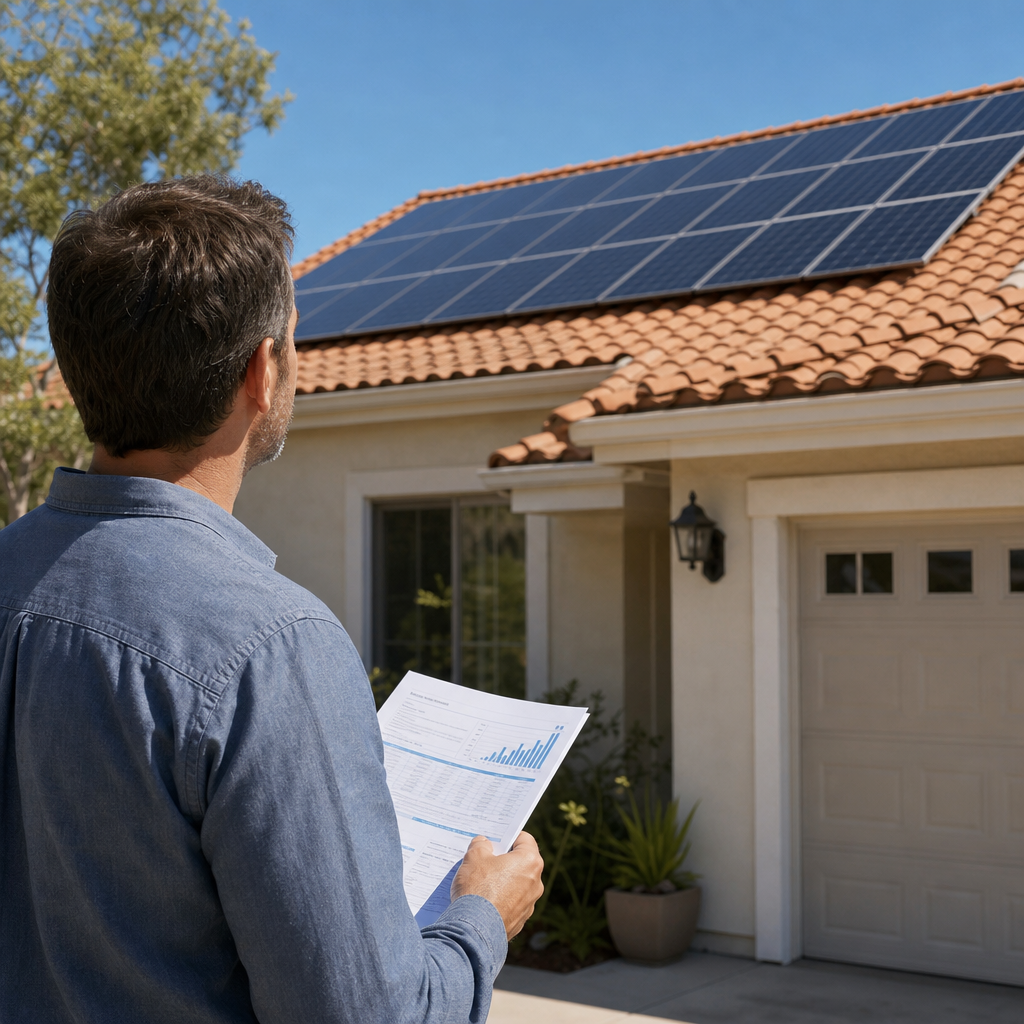
Solar panel installation cost in California is shaped by a web of factors: system size, equipment quality, roof condition, permitting requirements, financing structure, and the strength of your installer's warranties. Rather than chasing the lowest quote, homeowners are best served by comparing total value, factoring in equipment longevity, installation guarantees, and the reputation of the company standing behind the system for decades to come.
Everysun brings together US-made high-efficiency panels, Swedish safety and installation standards, flexible payment options, a 20-year installation guarantee, and 25-year product warranties to give California homeowners a system built to perform reliably for decades. To get a personalized cost estimate based on your home's specific energy needs and roof conditions, visit www.everysun.com and take the next step toward lower bills and cleaner, more reliable energy.
© 2025 Everysun Inc. All Rights Reserved.


Get Your Free Solar Quote
Request your free quote and see how solar can work for your home and budget