Big Installer or Local Specialist? Weighing Solar Panel Installation Companies in San Diego
November 12, 2026
|
California
San Diego homeowners enjoy some of the best sun exposure in the country, yet they also pay among the highest electricity rates in California. That combination has made solar adoption nearly universal in neighborhoods from Carmel Valley to Chula Vista. But choosing among the dozens of solar panel installation companies in San Diego is rarely simple. Should you go with a national franchise, a regional installer, or a smaller local crew? Each option comes with tradeoffs in price, warranty strength, equipment quality, and customer service.
This article breaks down exactly how to evaluate your options so you can make a confident, informed decision — and explains why combining the right equipment with the right installer matters just as much as finding the lowest quote.
San Diego's solar landscape is shaped by a few local factors that don't apply equally across California:
These factors mean that a generic, one-size-fits-all installation approach often underperforms in San Diego. Local expertise and proper system design matter more here than in many other markets.
Before comparing specific companies, it helps to understand the categories of installers operating in the San Diego market.
Large, publicly traded or heavily franchised companies operate across multiple states. They benefit from scale, marketing budgets, and standardized processes, but local responsiveness can suffer, and sales commissions sometimes inflate pricing.
These companies, like www.everysun.com, focus specifically on California homeowners. They tend to combine the buying power of a larger operation with closer attention to local permitting, utility interconnection rules, and climate-specific system design.
Independent, often family-run operations may offer competitive pricing and personal service, but can lack the financial backing to honor long-term warranties or scale customer support if problems arise years later.
Some roofing contractors have expanded into solar installation. While convenient for bundling a roof replacement with panels, solar-specific engineering expertise may be secondary to their core roofing business.
When evaluating solar panel installation companies in San Diego, homeowners should weigh the following factors rather than focusing on price alone.
| Factor | National Franchise | Regional Installer (e.g. Everysun) | Small Local Contractor |
|---|---|---|---|
| Pricing transparency | Often variable, commission-driven | Generally consistent, fixed quotes | Can be low but inconsistent |
| Local permitting knowledge | Moderate | High | High |
| Warranty strength | Varies by region | Typically strong, standardized | Often limited or short-term |
| Equipment sourcing | Mixed tiers | High-efficiency, US-made options | Varies widely |
| Battery storage expertise | Growing but inconsistent | Specialized | Limited |
| Company longevity risk | Low (large company) | Low-to-moderate | Higher |
This table illustrates why many San Diego homeowners increasingly favor regional installers: they combine the stability of an established company with the localized expertise that national franchises sometimes lack.
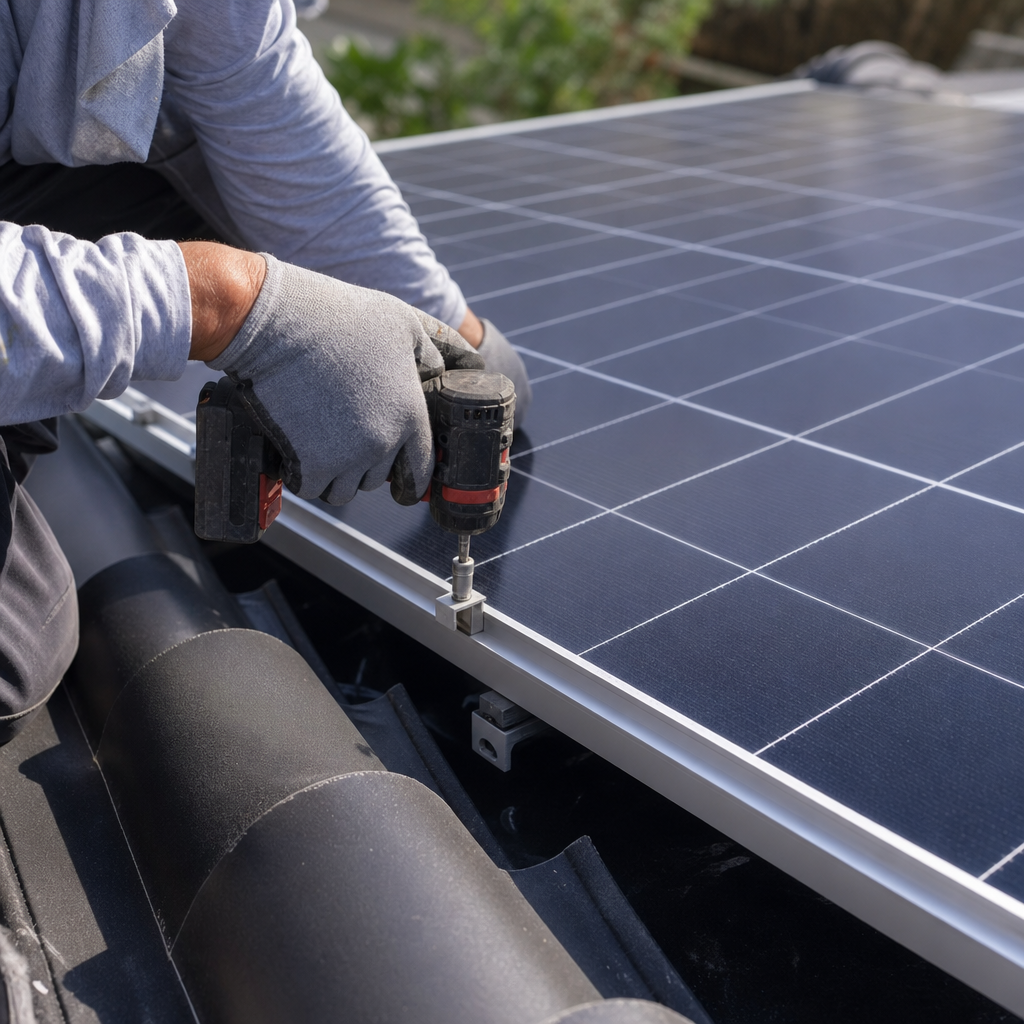
Not all solar installations are created equal, even when the panels themselves are identical. Workmanship — the way wiring is routed, how panels are mounted, how roof penetrations are sealed, and how electrical connections are grounded — determines long-term system reliability and fire safety.
This is where installation standards diverge significantly between companies. Some installers in San Diego follow only the baseline requirements set by the National Electrical Code and local building authorities. Others, like Everysun, apply stricter international frameworks — in this case, Swedish safety and installation standards — which generally exceed US minimums in areas such as:
For homeowners, the practical impact of higher installation standards shows up years later: fewer leaks, fewer electrical faults, and systems that perform closer to their rated output over their full 25-year lifespan.
Warranties are one of the most misunderstood aspects of solar purchasing, yet they often matter more than the sticker price. There are generally three types of warranties bundled into a solar purchase:
| Warranty Type | Industry Minimum | Stronger Offerings |
|---|---|---|
| Product warranty | 10–12 years | 25 years |
| Performance warranty | 80% output at 25 years | 87–92% output at 25 years |
| Installation/workmanship warranty | 2–5 years | 20 years |
A company offering a 20-year installation guarantee alongside a 25-year product warranty, as Everysun does, signals confidence in both its equipment and its labor quality — a combination that's still relatively rare in the San Diego market.
Affordability remains the top barrier to solar adoption for many California households. Fortunately, most reputable installers now offer multiple paths to ownership:
It's worth noting that the federal solar investment tax credit remains one of the most significant incentives available, and only homeowners who own their system (via cash or loan) can claim it directly. This is a critical distinction when comparing financing offers between installers.
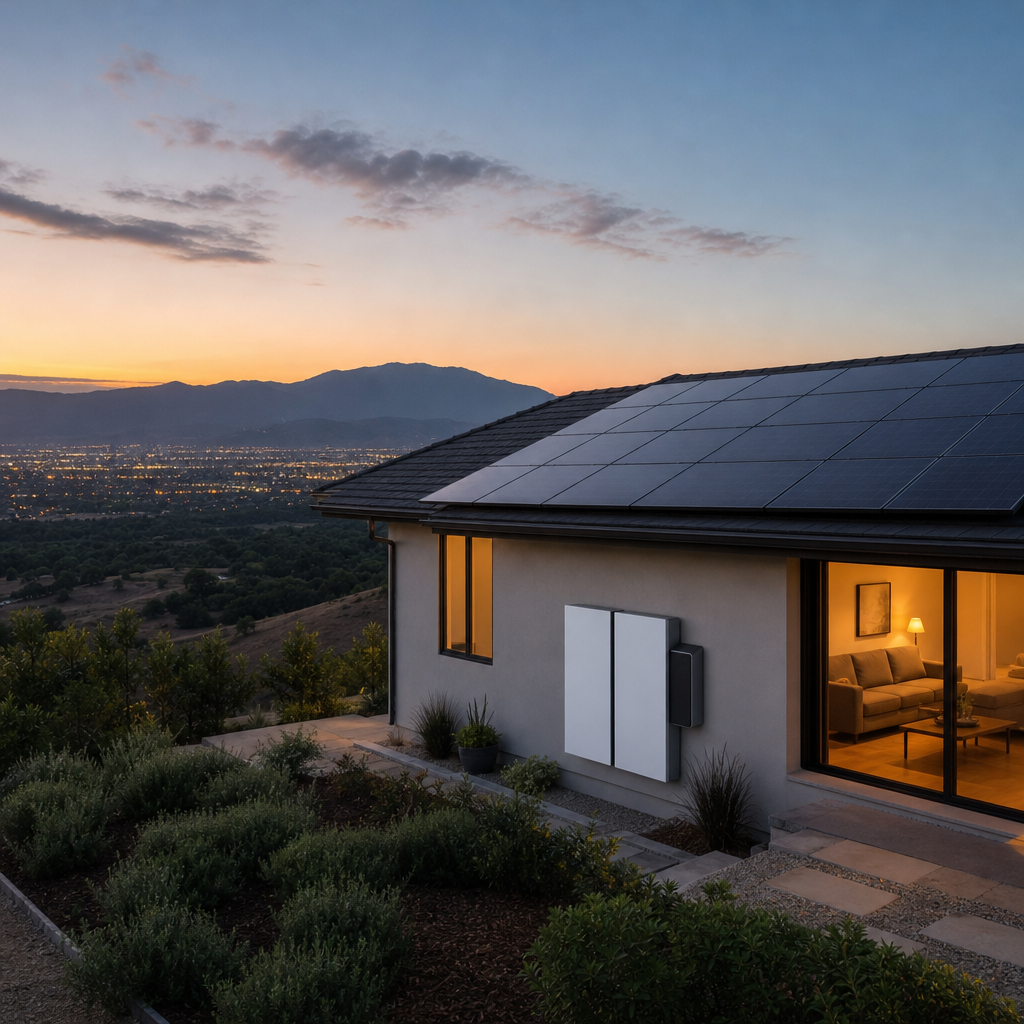
Since California shifted to the Net Billing Tariff (NEM 3.0), the economics of solar in San Diego have changed substantially. Exporting excess solar energy back to the grid now earns homeowners significantly less credit than under the previous net metering structure. As a result, battery storage has moved from a "nice-to-have" to a near-essential component of a well-designed system.
When comparing installers, ask specifically about their battery storage experience:
Companies that specialize in combined solar-plus-storage design, such as Everysun, are generally better positioned to help San Diego homeowners navigate NEM 3.0 economics than installers who treat batteries as an afterthought.
When vetting solar panel installation companies in San Diego, be cautious of:
Homeowners should also check a contractor's license status through the California Contractors State License Board before signing any agreement. This free lookup tool confirms licensing, bonding, and any disciplinary history.
Asking these questions consistently across every quote you receive will surface meaningful differences that a price comparison alone would miss.
Everysun was built around the idea that solar shouldn't require homeowners to choose between affordability and quality. The company pairs US-made, high-efficiency solar panels with installation practices rooted in Swedish safety standards — a combination designed to deliver both strong energy performance and long-term structural reliability.
For San Diego homeowners specifically, this means:
Rather than functioning as a generic national franchise or an under-resourced local contractor, www.everysun.com positions itself as a regional specialist with the financial stability and engineering discipline to support San Diego systems for decades, not just through the installation day.
Choosing among solar panel installation companies in San Diego ultimately comes down to balancing four variables: equipment quality, installation standards, warranty strength, and financing fit for your household budget. A company that excels in only one of these areas — say, low price but weak warranty support — may cost you more over the 25-year lifespan of your system than a slightly higher upfront quote from a company that gets all four right.
Before signing with any installer:
Solar is a long-term investment, typically the second-largest home improvement decision many homeowners make after a roof replacement. Treating the installer selection process with the same diligence you'd apply to choosing a contractor for major structural work will pay dividends in system performance, safety, and resale value for decades to come.
San Diego's abundant sunshine and high electricity rates make solar one of the smartest home investments available in California today — but only when paired with an installer that takes equipment quality and workmanship as seriously as the sales pitch. By comparing installation standards, warranty terms, and battery storage expertise rather than price alone, homeowners can avoid costly mistakes and choose a partner built for the long haul. Everysun combines US-made high-efficiency panels, Swedish-grade installation discipline, a 20-year installation guarantee, and 25-year product warranties to give San Diego homeowners a dependable path to lower bills and energy independence — learn more at www.everysun.com.
© 2025 Everysun Inc. All Rights Reserved.


Get Your Free Solar Quote
Request your free quote and see how solar can work for your home and budget