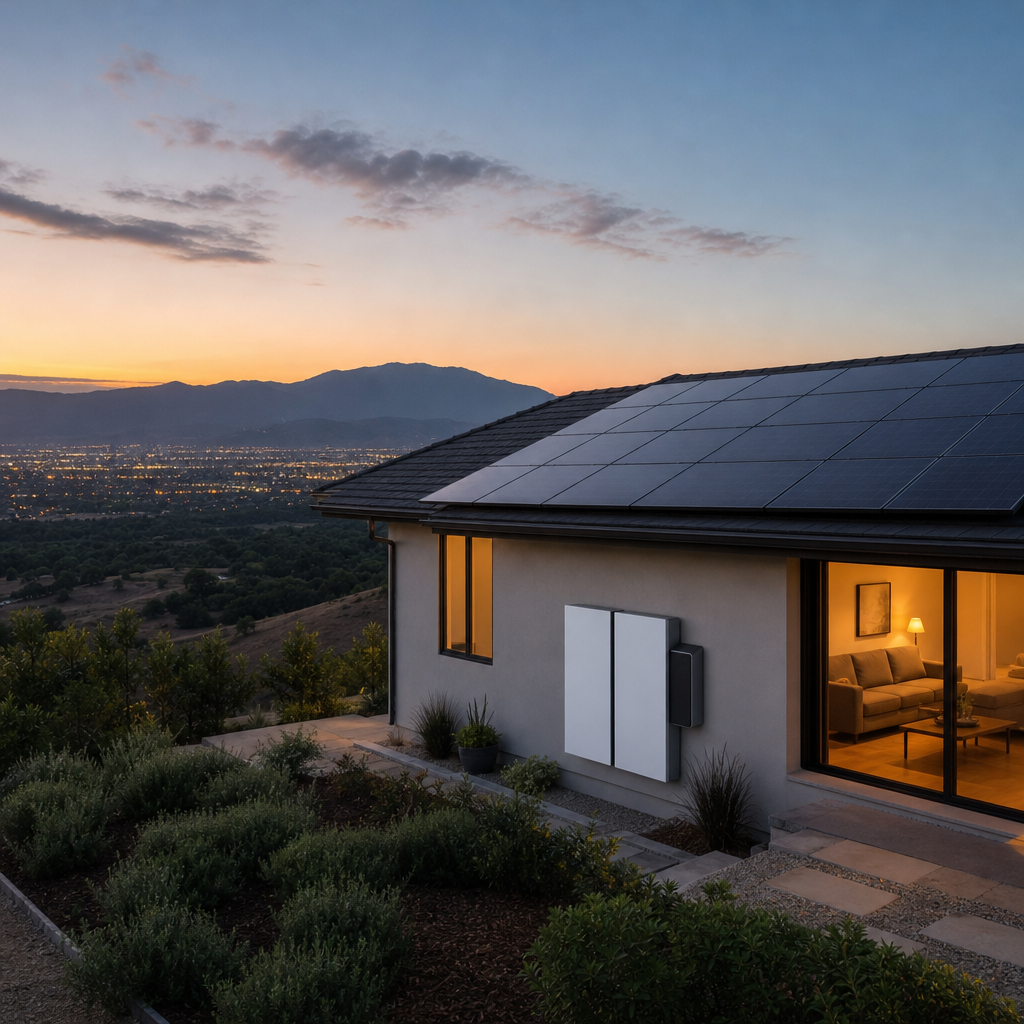
$12,000–$30,000: What Sacramento Homeowners Pay Solar Panel Installation Companies in 2026
November 13, 2026
|
California
Sacramento gets over 260 sunny days a year, which makes it one of the strongest solar markets in California. But before homeowners sign a contract, the question that matters most is simple: what will it actually cost, and which company delivers the best value for that money? This article breaks down real pricing ranges, what drives the cost up or down, and how to evaluate solar panel installation companies in Sacramento so you don't overpay or end up with an underperforming system.
Solar pricing is typically quoted per watt installed. In Sacramento, most residential systems fall between $2.80 and $3.80 per watt before incentives, depending on equipment quality, roof complexity, and whether battery storage is included. A typical home needs a 6kW to 8kW system to offset a moderate electric bill.
| System Size | Estimated Cost (Before Incentives) | Estimated Cost (After 30% Federal Tax Credit) |
|---|---|---|
| 4 kW | $12,000 – $15,000 | $8,400 – $10,500 |
| 6 kW | $17,500 – $22,000 | $12,250 – $15,400 |
| 8 kW | $23,000 – $29,500 | $16,100 – $20,650 |
| 10 kW | $29,000 – $36,000 | $20,300 – $25,200 |
Adding battery storage, such as a single 10kWh unit, typically adds $9,000 to $14,000 to the total project cost. Many Sacramento homeowners are now bundling batteries with their initial installation to protect against summer outages and take advantage of time-of-use rate structures from SMUD.
These figures are estimates and will vary by roof type, shading, electrical panel upgrades, and permitting fees charged by the City of Sacramento or Sacramento County. Always request an itemized quote rather than a flat per-watt number.
Homeowners often receive quotes that differ by thousands of dollars for what looks like a similar system size. The gap usually comes down to a handful of factors:
Understanding these variables is the difference between comparing apples to apples and simply chasing the lowest number on a page.
Price alone should never be the deciding factor. A cheaper quote that uses low-tier inverters or a thin workmanship warranty can cost more over 20 years than a slightly higher quote backed by a strong guarantee. Use this checklist when evaluating proposals:
| Evaluation Factor | What to Look For | Red Flag |
|---|---|---|
| License | Active C-46 license, verifiable online | Unwilling to share license number |
| Warranty | 20+ year workmanship, 25-year product | Only 5–10 year coverage |
| Equipment | Named Tier-1 brands in contract | "Premium panels" with no model listed |
| Sales approach | Scheduled consultation, written quote | High-pressure same-day signing |
| Financing | Multiple options, no prepayment penalty | Single lease option only |
California no longer offers the state rebate programs it once did, but federal and utility-level incentives still meaningfully reduce the cost of going solar in Sacramento.
Because SMUD customers operate under different net metering rules than PG&E customers elsewhere in California, it's worth confirming that any installer you're considering has specific, current experience with SMUD interconnection paperwork. A company unfamiliar with SMUD's process can cause weeks of delay.
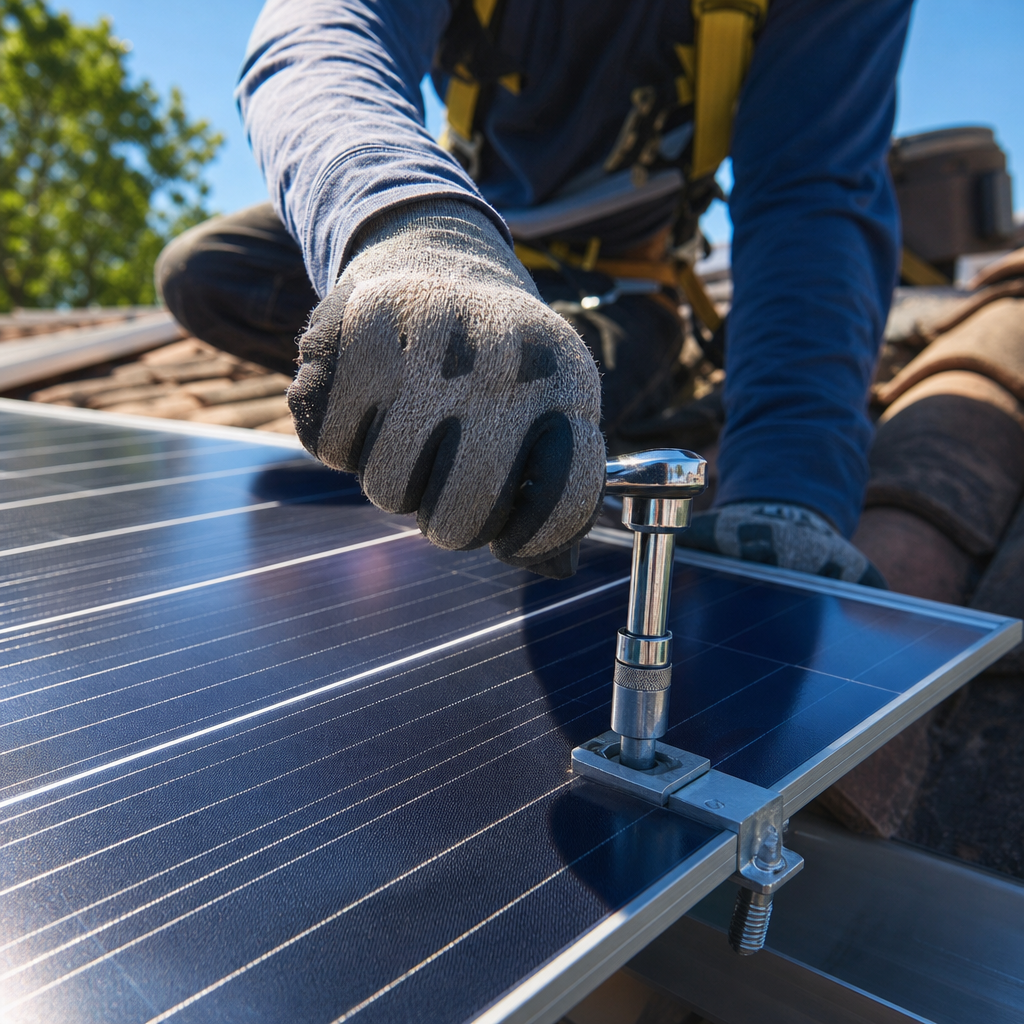
How you pay for solar changes both your monthly cash flow and your long-term savings. Each option carries tradeoffs.
| Financing Method | Upfront Cost | Who Owns the System | Tax Credit Eligibility | Long-Term Savings |
|---|---|---|---|---|
| Cash purchase | Full cost upfront | Homeowner | Yes | Highest |
| Solar loan | $0–low down payment | Homeowner | Yes | High |
| Lease | $0 | Installer/financier | No | Lower |
| Power Purchase Agreement (PPA) | $0 | Installer/financier | No | Lower |
Cash purchases and solar loans allow homeowners to claim the federal tax credit directly and typically produce the greatest 20-year savings. Leases and PPAs can make sense for homeowners who want $0-down access to clean energy without owning the hardware, but the savings are generally more modest since a third party retains ownership and the associated tax benefits.
Companies like www.everysun.com offer flexible payment structures, including loan options designed to keep monthly payments close to or below a homeowner's existing utility bill, which helps offset the upfront cost barrier that stops many Sacramento homeowners from going solar in the first place.
Sacramento's solar market has grown quickly, and with that growth has come an increase in aggressive sales tactics and underqualified installers. Watch for these warning signs:
The Better Business Bureau and Solar Energy Industries Association both publish consumer guidance on identifying trustworthy solar contractors, and it's worth a quick search before signing any contract.
A solar system is a 20-to-30-year investment attached to your roof and electrical system. Poor installation — improper flashing, undersized wiring, or incorrect inverter placement — can lead to roof leaks, reduced energy production, or costly rework long after the original sales rep has moved on.
This is why installation standards matter just as much as panel wattage or price per watt. Everysun, for example, applies Swedish safety and installation standards alongside US-made high-efficiency panels, an approach built around minimizing long-term failure points rather than just hitting a low price point. Combined with a 20-year installation guarantee and 25-year product warranties, this structure is designed to protect homeowners well beyond the typical 5-to-10-year workmanship warranty offered by many competitors.
When comparing Sacramento installers, ask specifically:
These questions reveal far more about long-term value than the per-watt price listed on a glossy brochure.
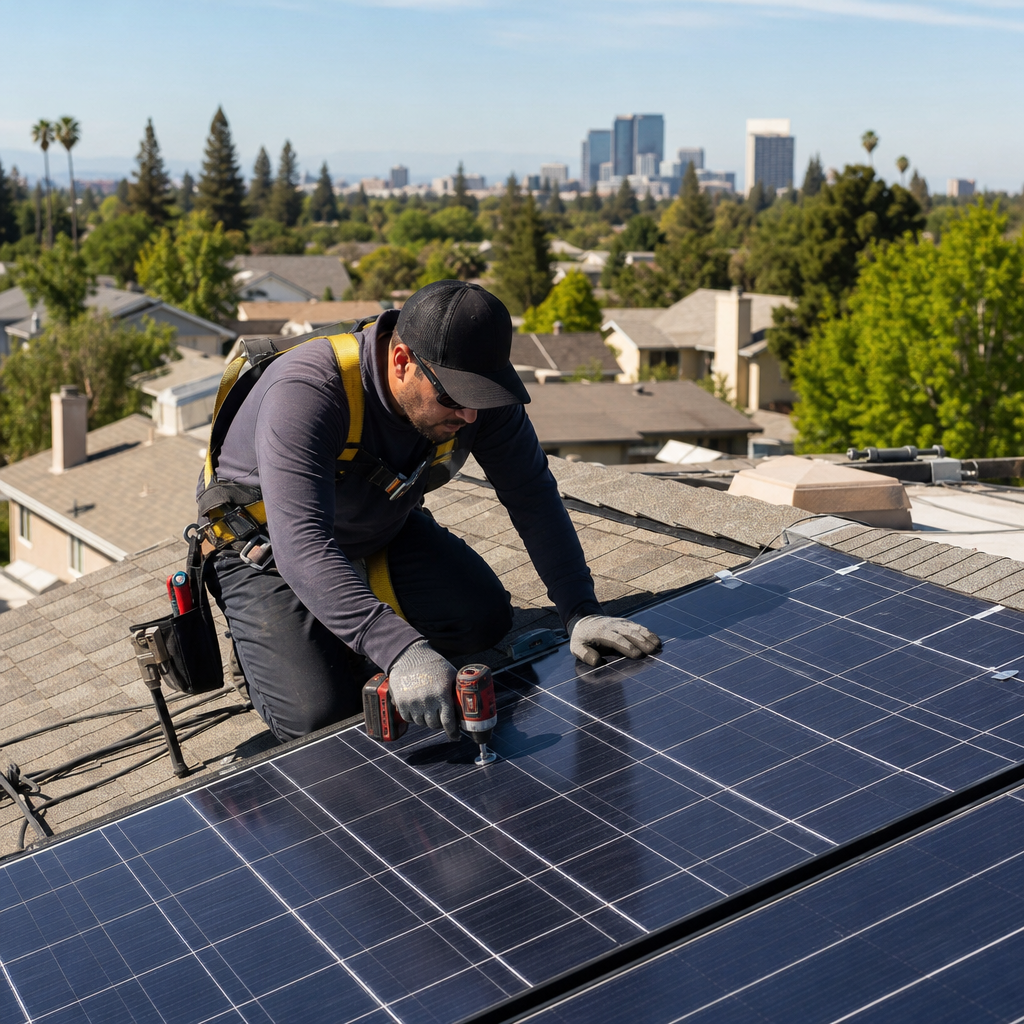
With SMUD's time-of-use rate structure and the increasing frequency of summer grid stress events, battery storage has become a serious consideration rather than a luxury add-on. A battery allows homeowners to store midday solar production and use it during evening peak pricing hours, or to keep essential circuits running during a planned outage.
Key considerations for Sacramento homeowners weighing battery storage:
A qualified installer should be able to model your specific usage pattern and show you projected savings with and without a battery, rather than offering a one-size-fits-all recommendation.
Before finalizing any agreement with a Sacramento solar installer, homeowners should get clear answers to the following:
Getting these answers in writing protects you if there's ever a dispute down the line, and it also makes it far easier to compare competing quotes on a like-for-like basis.
Sacramento homeowners have no shortage of options when it comes to solar, but the lowest quote is rarely the best long-term decision. The companies worth hiring are the ones that are transparent about equipment, licensed and locally accountable, and backed by warranties that actually hold up over two decades of California sun, heat, and occasional wildfire smoke exposure.
Everysun approaches residential solar with that long-term view in mind — pairing US-made high-efficiency panels with Swedish-grade installation and safety standards, flexible financing to fit different budgets, and warranty coverage built to outlast the industry norm. For Sacramento homeowners comparing solar panel installation companies, that combination of transparent pricing, rigorous installation standards, and long-term protection is worth weighing carefully before signing with the first company that knocks on your door. Learn more about system design, financing options, and warranty details at www.everysun.com.
© 2025 Everysun Inc. All Rights Reserved.


Get Your Free Solar Quote
Request your free quote and see how solar can work for your home and budget