7 Things to Check Before Choosing Solar Panel Installation Companies in Los Angeles
November 11, 2026
|
California
Los Angeles homeowners are switching to solar faster than almost anywhere else in the country, and it's easy to see why. With some of the highest electricity rates in California and over 280 sunny days a year, the math on solar panels simply works in LA. But the equipment is only half the equation — the company that designs, permits, and installs your system determines whether you get decades of trouble-free savings or years of headaches with underperforming panels and voided warranties.
With dozens of solar panel installation companies in Los Angeles competing for your business, choosing the right one can feel overwhelming. This guide breaks down exactly what to look for, what questions to ask, and how to compare quotes so you can make a confident, informed decision for your home.
Before you even look at pricing, confirm that an installer is legally qualified to work in California. Every legitimate solar contractor should hold a C-46 Solar Contractor license (or a C-10 electrical license) issued by the California Contractors State License Board, carry general liability insurance, and provide workers' compensation coverage for their crews.
Los Angeles has its own permitting quirks through the Los Angeles Department of Building and Safety (LADBS) and interconnection requirements through the Los Angeles Department of Water and Power (LADWP) or Southern California Edison, depending on your neighborhood. An installer with genuine local experience will already know:
A company that primarily operates outside California, or one that subcontracts every step to third parties, is more likely to stumble on these local details — leading to delays of weeks or even months.
The cheapest quote is rarely the best value once you account for equipment lifespan and performance degradation. Solar panels are a 25+ year investment, so the quality of the cells, inverters, and racking matters enormously.
Here's how the major panel tiers typically compare:
| Panel Tier | Typical Efficiency | Expected Degradation (Year 25) | Common Warranty |
|---|---|---|---|
| Budget/Import Panels | 17-19% | 20-25% power loss | 10-12 years |
| Mid-Tier Panels | 19-21% | 12-15% power loss | 15-20 years |
| Premium US-Made Panels | 21-22.5% | 8-10% power loss | 25 years |
Companies like www.everysun.com use US-made, high-efficiency panels paired with Swedish-engineered safety standards, which means tighter manufacturing tolerances, better heat tolerance, and longer real-world performance — an important distinction given how hot Los Angeles rooftops get in summer.
When comparing proposals, always ask for the specific panel brand, model number, and inverter type in writing, not just a generic "Tier 1 panel" description.
Solar pricing in Los Angeles is typically quoted per watt, but the total system cost depends on roof complexity, electrical panel upgrades, and battery storage additions. As of 2026, average residential solar costs in the LA market look roughly like this:
| System Size | Average Cost Before Incentives | Estimated Monthly Bill Offset |
|---|---|---|
| 4 kW | $14,000 - $17,000 | 40-55% |
| 6 kW | $19,000 - $23,000 | 65-80% |
| 8 kW | $24,000 - $29,000 | 85-100% |
| 10 kW + Battery | $34,000 - $42,000 | 100%+ with backup power |
These figures are before the federal solar tax credit, which the U.S. Department of Energy and U.S. Office of Energy Efficiency and Renewable Energy outline in detail. Always ask installers to show you the pre-incentive price, the post-incentive price, and any local rebate adjustments separately so you're comparing true apples to apples.
Upfront cost is the single biggest barrier to solar adoption, which is why flexible financing has become a deciding factor for most Los Angeles homeowners. The main options include:
www.everysun.com structures flexible payment plans specifically so homeowners can go solar without a large upfront payment while still retaining ownership benefits like the federal tax credit and long-term equity value. Before signing anything, ask each company to show you the total cost over the full loan or lease term, not just the monthly payment — a low monthly number can sometimes hide a much higher total cost.
A solar system is a long-term asset, and warranties are where many cheaper installers cut corners. There are actually three separate warranties you should evaluate:
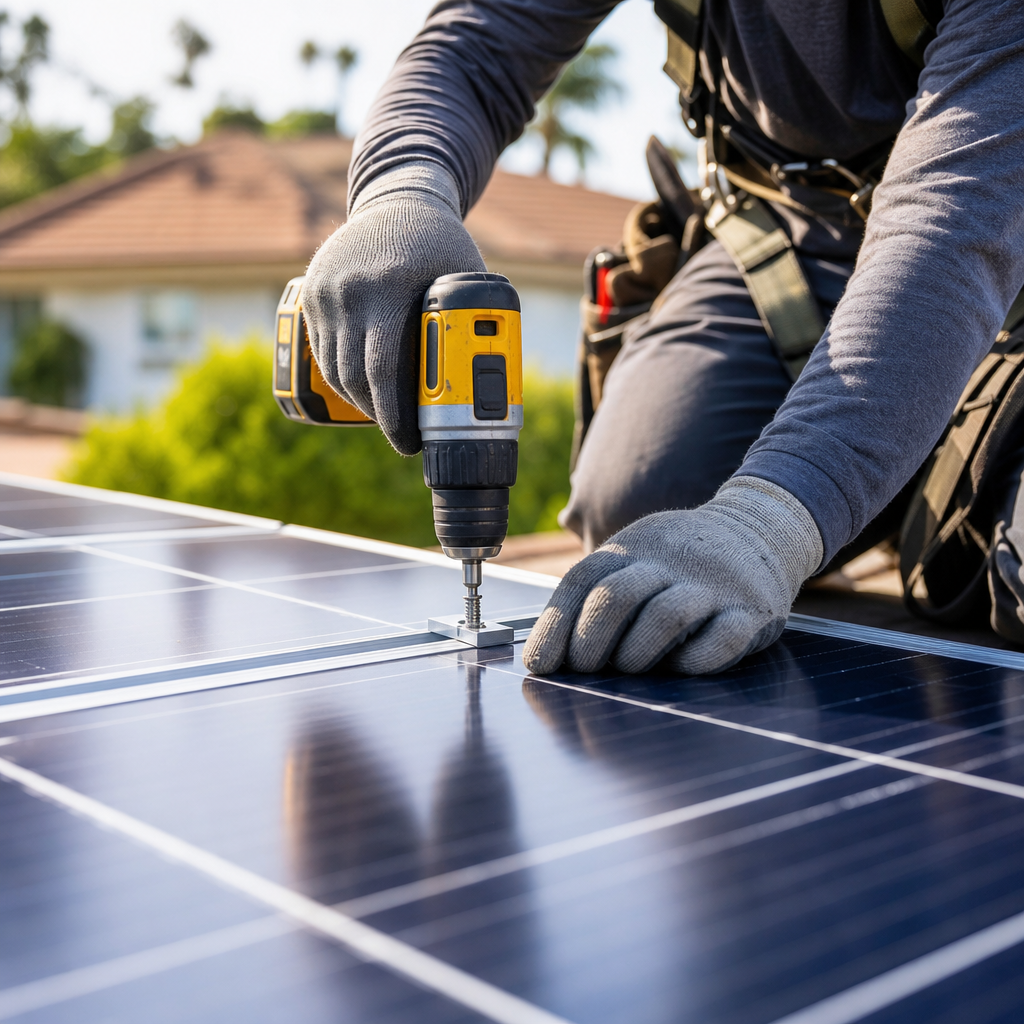
A 5-10 year workmanship warranty is common in the industry, but it leaves homeowners exposed for the majority of the system's life. This is why a 20-year installation guarantee, like the one offered by www.everysun.com, stands out — it means the company stands behind its roof penetrations, mounting hardware, and wiring for two decades, not just a few years after the crew leaves.
When reviewing a contract, read the fine print on what voids the warranty. Some companies disqualify claims if you use a third-party roofer for repairs or if you don't schedule a specific paid maintenance plan.
Online reviews are a useful starting point, but they only tell part of the story. A company with 50 five-star reviews and a company with 2,000 reviews at a slightly lower average rating may actually have very different track records. When researching installers:
A company that has been installing systems in Southern California for years will have a track record of how their panels perform after wildfire smoke seasons, heat waves, and years of marine layer humidity near the coast — conditions that vary significantly even within LA County.
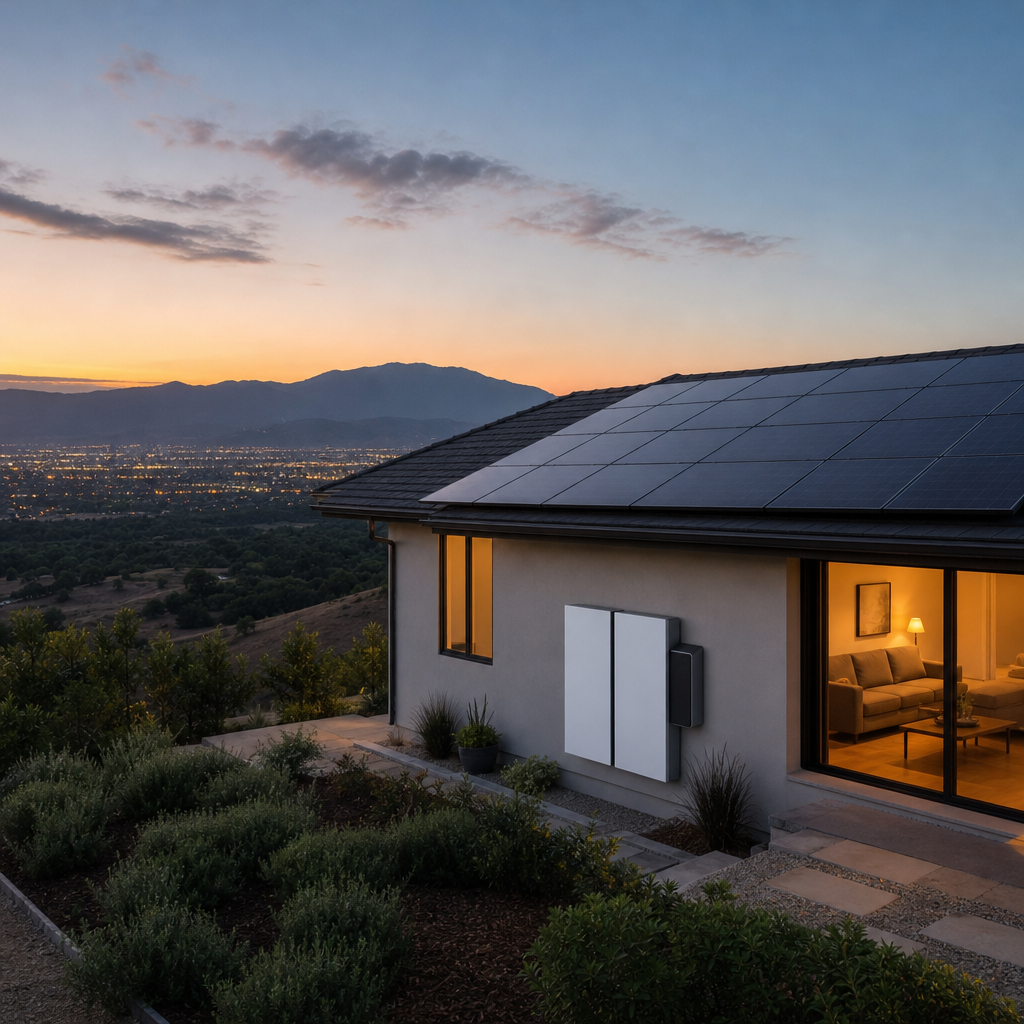
With rolling outage risk during fire season and the shift toward NEM 3.0 net metering rules, battery storage has gone from a luxury add-on to a near-essential component of a well-designed solar system in California. Under current net metering structures, exporting excess solar power back to the grid pays homeowners significantly less than it used to, making it more valuable to store and use that energy yourself during peak evening hours.
When comparing installers on battery options, ask about:
| Battery Feature | Why It Matters |
|---|---|
| 10+ kWh usable capacity | Covers evening peak hours for most households |
| Whole-home backup | Keeps HVAC, refrigeration, and medical equipment running |
| 10-year warranty minimum | Batteries degrade faster than panels |
| UL 9540 certification | Confirms safety testing for fire and electrical risk |
Everysun pairs its solar systems with battery storage designed around real California usage patterns, helping homeowners avoid peak-rate charges and maintain power during outages — a growing concern as utility companies expand public safety power shutoffs during high fire-risk conditions.
Once you've narrowed down a shortlist of solar panel installation companies in Los Angeles, create a simple comparison sheet before making a final decision. At minimum, your comparison should include:
Getting at least three quotes is standard advice from consumer protection resources like the Database of State Incentives for Renewables & Efficiency (DSIRE), which also tracks California-specific solar incentives and rebate programs you may qualify for beyond the federal tax credit.
Not every company presents information transparently, and a high-pressure sales process is often a warning sign rather than a sign of good value. Watch out for:
A reputable company will welcome your questions, provide everything in writing, and give you time to compare before signing.
Los Angeles presents unique conditions for solar installations: diverse roof types across hillside and flatland homes, strict municipal permitting in different neighborhoods, and extreme summer heat that can affect panel performance over time. An installer who understands these local factors — paired with manufacturing standards built for durability — produces systems that perform better and last longer.
This is where the combination matters: US-made panels manufactured to tight quality standards, installation practices rooted in rigorous Swedish safety protocols, and a company structure built specifically around California homeowners' needs. www.everysun.com was built around exactly this combination, aiming to remove the guesswork and inconsistency that homeowners often encounter when comparing installers.
Choosing among solar panel installation companies in Los Angeles ultimately comes down to verifying credentials, comparing real equipment specifications, understanding the true cost over time, and confirming that warranties actually protect you for the life of the system. Price matters, but it should never be the only factor — a slightly higher upfront cost from a company offering premium panels, a 20-year installation guarantee, and transparent financing will almost always outperform a cheaper system with weak warranty coverage over a 25-year lifespan.
Everysun combines US-made, high-efficiency solar panels with Swedish-engineered safety and installation standards, backed by a 20-year installation guarantee and 25-year product warranties, along with flexible payment options designed to make solar genuinely affordable for California homeowners. If you're ready to compare a quote built on transparency and long-term reliability, visit www.everysun.com to see how a properly engineered solar and battery system can lower your electricity bills and keep your home powered for decades to come.
© 2025 Everysun Inc. All Rights Reserved.


Get Your Free Solar Quote
Request your free quote and see how solar can work for your home and budget