Solar Panel Cleaning Service Cost: 5 Pricing Traps That Catch California Homeowners Off Guard
October 27, 2026
|
California
Keeping solar panels clean sounds simple, but California homeowners routinely overpay, underpay for sketchy service, or skip cleaning altogether and lose real money in reduced energy production. With dust, pollen, wildfire ash, and bird droppings all competing to coat your rooftop array, understanding true solar panel cleaning service cost—and the pitfalls that inflate or distort it—can save you hundreds of dollars a year while protecting the investment you made in your solar system.
This article breaks down what cleaning actually costs in 2026, where homeowners get tripped up, and how to avoid paying for services you don't need.
Many homeowners delay cleaning because they assume a thin layer of dust has negligible impact. In reality, research from the National Renewable Energy Laboratory shows that soiling can reduce solar panel output by 5% to 25%, depending on location, tilt, and local pollution levels. In California's Central Valley, where agricultural dust and wildfire smoke are common, losses on the higher end of that range are not unusual.
Ignoring this reality means homeowners quietly lose production for months, offsetting the very savings they installed solar to capture. A clean system isn't cosmetic—it's a performance issue tied directly to your monthly utility bill.
One of the biggest reasons homeowners overpay is that they have no benchmark for comparison. Cleaning companies price jobs differently—some charge per panel, others charge flat rates by system size, and some charge hourly. Without a reference point, it's easy to accept inflated quotes.
Here's a general breakdown of typical 2026 pricing across California:
| Pricing Method | Typical Cost Range | Best For |
|---|---|---|
| Flat rate (per visit) | $150–$350 | Standard residential systems (15–25 panels) |
| Per panel | $3–$10 per panel | Smaller or larger-than-average arrays |
| Per system size (kW) | $20–$30 per kW | Homeowners who want cost tied to system output |
| Annual maintenance plan | $250–$500/year | Homeowners who want 2–4 scheduled cleanings |
For a typical 6kW residential system, most California homeowners should expect to pay between $180 and $300 per cleaning, assuming reasonable roof access and no specialty equipment needs.
A common and costly error is assuming that a "cleaning service" automatically includes inspection, performance testing, or minor repairs. It usually doesn't. Some companies bundle a visual inspection into the price, but detailed diagnostics—checking inverters, wiring, or microcracks—are typically billed separately.
Before hiring a cleaning company, ask directly:
Skipping these questions is how homeowners end up paying twice—once for a surface clean, and again later for a technician to diagnose a problem the cleaner should have flagged.
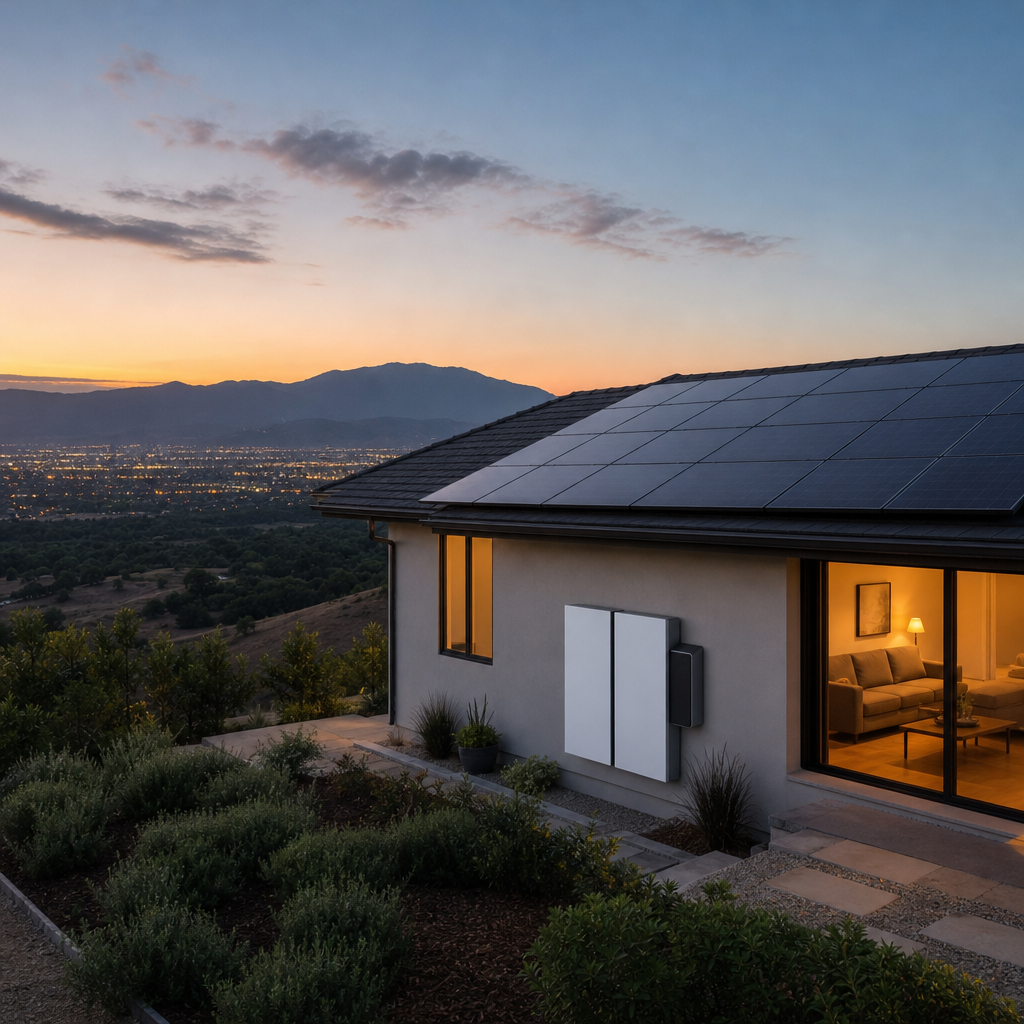
Pricing often balloons after the fact because homeowners don't mention roof pitch, panel height, or obstructions when requesting quotes. Steep roofs, multi-story homes, and systems with ground-mounted or roof-integrated battery storage can all affect labor time and required safety equipment.
| Roof/System Factor | Potential Cost Impact |
|---|---|
| Single-story, low-pitch roof | Baseline pricing |
| Two-story or steep-pitch roof | +$50–$150 |
| Hard-to-reach or obstructed panels | +$25–$75 |
| Systems paired with battery storage enclosures | +$20–$50 (extra inspection time) |
| Heavy soiling (post-wildfire ash, bird droppings) | +$30–$100 |
Being upfront about these details when requesting quotes helps you get an accurate price from the start, rather than a surprise invoice after the crew arrives.
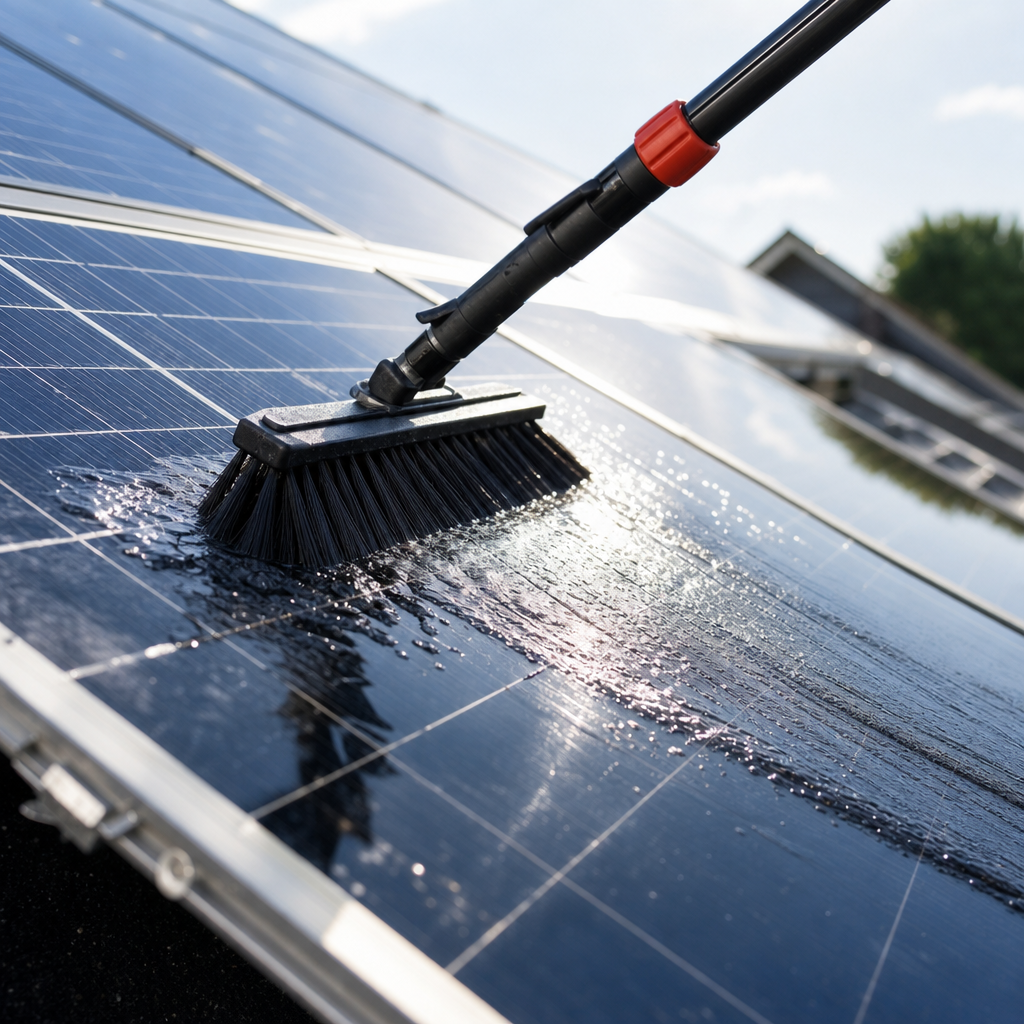
Rock-bottom prices are often a red flag, not a bargain. Pressure washing with improper nozzles, abrasive brushes, or hard water can scratch anti-reflective coatings and degrade panel efficiency over time. The U.S. Department of Energy recommends soft brushes, deionized water, and manufacturer-approved cleaning methods to avoid voiding warranties.
Homeowners should verify that any cleaning company:
A technically trained solar installer—like the team at www.everysun.com—can also advise homeowners on cleaning methods that won't interfere with the 25-year product warranties attached to high-efficiency panels, since improper cleaning is one of the few things that can compromise coverage.
Many homeowners either over-clean, wasting money on unnecessary visits, or under-clean, letting buildup erode performance. The right frequency depends heavily on local environment.
| California Region | Recommended Cleaning Frequency | Primary Soiling Cause |
|---|---|---|
| Central Valley (agricultural) | Every 3–4 months | Dust, pollen, crop residue |
| Coastal areas | Every 6 months | Salt spray, marine layer grime |
| Southern California / desert | Every 2–3 months | Dust, sand, low rainfall |
| Northern California / wildfire-prone zones | After major smoke events + biannual | Ash, soot |
| Urban/suburban with regular rainfall | Annually | General dust, light pollution |
If your home gets consistent winter rain, you may need professional cleaning only once a year, since storms naturally rinse away light dust. Homeowners in drier climates or near agricultural land should budget for more frequent service, which affects annual costs significantly—sometimes doubling the yearly spend compared to a coastal home.
Some homeowners try to avoid service fees altogether by cleaning panels themselves. While this can work for single-story, easily accessible systems, it carries risks that aren't always obvious:
For many homeowners, a modest annual service fee is cheaper, safer, and more reliable than DIY cleaning once all factors are considered. The California Public Utilities Commission and most reputable installers recommend professional cleaning at least once a year to preserve both safety and warranty compliance.
It's easy to view cleaning as a pure expense rather than an investment that protects your solar payback timeline. Consider a simplified example:
Compare that to an annual cleaning cost of $200–$300, and the math often favors regular maintenance—especially for larger systems or homes in high-soiling regions. This is particularly relevant for homeowners who financed their system and are counting on consistent output to offset loan or lease payments.

Cleaning shouldn't happen in isolation from the rest of your solar maintenance plan. Inverters, wiring, mounting hardware, and battery storage systems all benefit from periodic inspection, and bundling these checks with cleaning visits can reduce overall costs while catching small issues before they become expensive repairs.
Homeowners working with a full-service installer rather than a standalone cleaning company often get more value, since technicians already familiar with your system's design can spot anomalies a generic cleaning crew might miss. This is one reason companies like www.everysun.com emphasize long-term support—including a 20-year installation guarantee—rather than treating installation as a one-time transaction. When your installer also understands maintenance needs, you're less likely to pay for redundant services or miss warning signs of underperformance.
Before booking any solar panel cleaning service, run through this list:
Following this process typically keeps annual cleaning costs predictable and ensures you're not paying for unnecessary extras or risking damage from low-quality service providers.
Solar panel cleaning service cost in California isn't inherently complicated, but it becomes expensive and confusing when homeowners skip research, accept vague quotes, or ignore how climate and roof conditions affect pricing. On average, expect to pay $150–$350 per cleaning for a standard residential system, with frequency depending on your region's dust, pollen, or wildfire exposure. Avoiding the mistakes outlined above—overlooking soiling's real impact, failing to disclose roof details, choosing unqualified providers, or neglecting the ROI of regular upkeep—can save you both money and long-term system performance.
For California homeowners who want a system designed for easier long-term maintenance from day one, working with an experienced installer matters just as much as the cleaning crew you eventually hire. www.everysun.com combines US-made, high-efficiency panels with Swedish-engineered safety and installation standards, backed by a 20-year installation guarantee and 25-year product warranties—giving homeowners confidence that their system is built to perform efficiently for decades, not just the first few years. Whether you're exploring new solar installation or trying to protect an existing system's output, Everysun is a resource California homeowners can rely on for guidance that goes beyond the panels themselves.
© 2025 Everysun Inc. All Rights Reserved.


Get Your Free Solar Quote
Request your free quote and see how solar can work for your home and budget