Solar Energy for California Homes Benefits
October 13, 2026
|
California
California homeowners face some of the highest electricity rates in the country, alongside abundant year-round sunshine that makes solar power an obvious match for the state's energy needs. As utility costs continue climbing and grid reliability remains a concern during heat waves and wildfire season, more families are turning to rooftop solar and battery storage to take control of their energy future. Understanding the full scope of solar energy for California homes benefits can help you make an informed decision about whether this investment is right for your household.
This article breaks down the financial, environmental, and practical advantages of going solar in California, while also addressing the policy landscape, technology choices, and what to expect from installation through decades of ownership.
California enjoys more sunny days per year than most states, and its electricity rates are consistently among the highest in the nation. According to the U.S. Energy Information Administration, California residential electricity prices are significantly above the national average, and that gap has widened over the past several years. Combine high rates with strong solar irradiance, and the math for homeowners becomes compelling.
The state has also set ambitious clean energy targets. California's goal of reaching 100% clean electricity by 2045, outlined by the California Energy Commission, has shaped policies that both encourage and, at times, complicate residential solar adoption. Net billing rules, time-of-use rate structures, and interconnection requirements all affect how much a solar system can save a given household, which is why working with an experienced local installer matters.
The most immediate and tangible benefit of solar energy for California homes is the reduction in monthly electricity costs. Once a system is sized correctly for a household's usage patterns, many homeowners see their utility bills drop by 70% to 100%, depending on roof size, shading, and energy consumption habits.
Beyond bill savings, solar offers several additional financial advantages:
| Household Size | Average Monthly Bill Before Solar | Estimated Monthly Bill After Solar | Approx. Monthly Savings |
|---|---|---|---|
| Small (1-2 people) | $120 | $25 | $95 |
| Medium (3-4 people) | $220 | $40 | $180 |
| Large (5+ people) | $350 | $60 | $290 |
These figures are illustrative averages and will vary based on system size, location, roof orientation, and usage patterns. A customized assessment from a provider like www.everysun.com will give you a precise estimate based on your home's actual energy profile.
Reducing your household's carbon footprint is one of the most cited reasons Californians choose solar. A typical residential solar system can offset several tons of carbon dioxide emissions annually, equivalent to taking a gasoline car off the road for a year. The Environmental Protection Agency offers tools to estimate the emissions impact of your specific system size.
Beyond the environmental case, energy independence is an increasingly important factor for California homeowners. Wildfire-related Public Safety Power Shutoffs (PSPS) have become more common, leaving thousands of households without grid power for hours or even days at a time. A solar-plus-battery system provides:
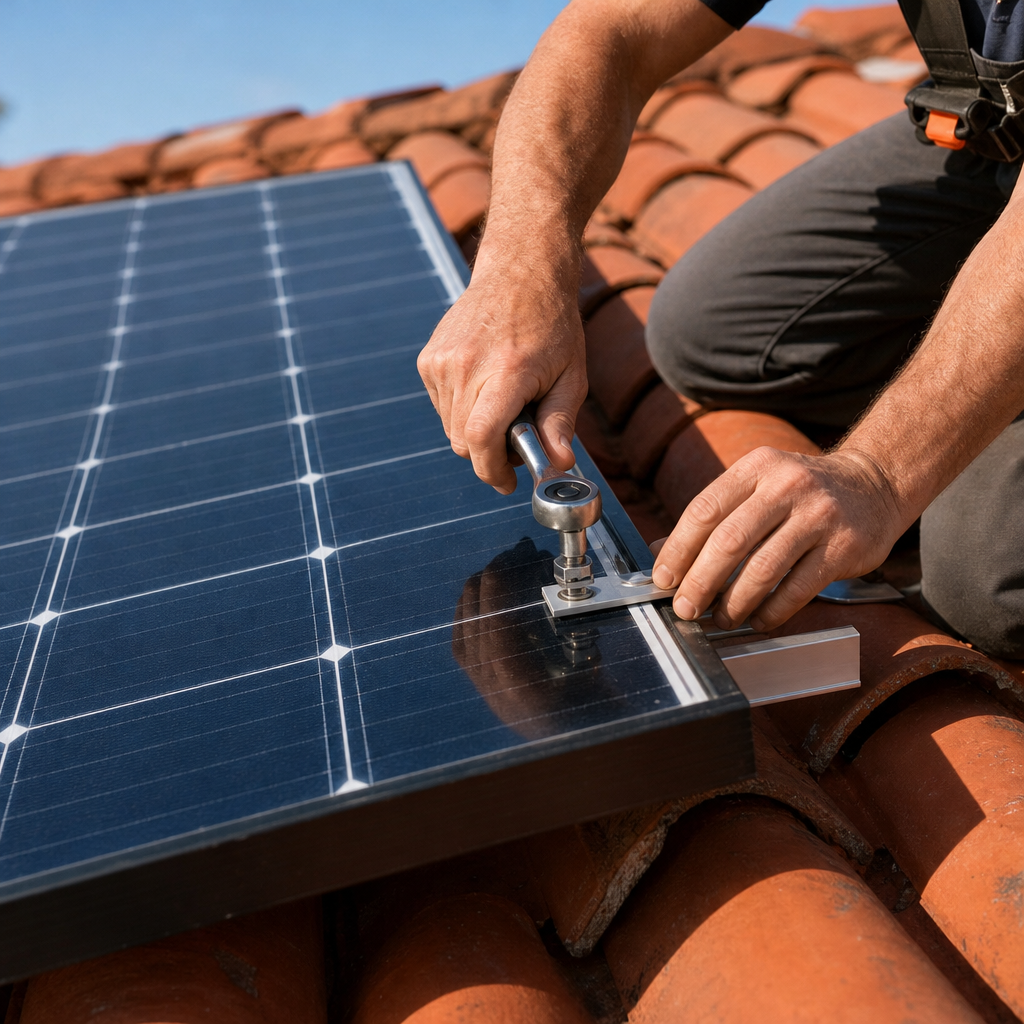
Not all solar panels are created equal, and the technology you choose affects efficiency, durability, and long-term performance. Most residential installations in California use one of three panel types:
| Panel Type | Efficiency Range | Typical Lifespan | Best For |
|---|---|---|---|
| Monocrystalline | 19-22% | 25-30 years | Limited roof space, maximum output |
| Polycrystalline | 15-17% | 20-25 years | Larger roofs, budget-conscious buyers |
| Thin-Film | 10-13% | 10-20 years | Unconventional surfaces, lightweight needs |
For most California homeowners, monocrystalline panels offer the best balance of efficiency and longevity, particularly on roofs with limited square footage or partial shading throughout the day. Everysun uses US-made, high-efficiency monocrystalline panels paired with Swedish engineering standards, ensuring both strong energy output and long-term structural reliability even in regions prone to high heat or coastal humidity.
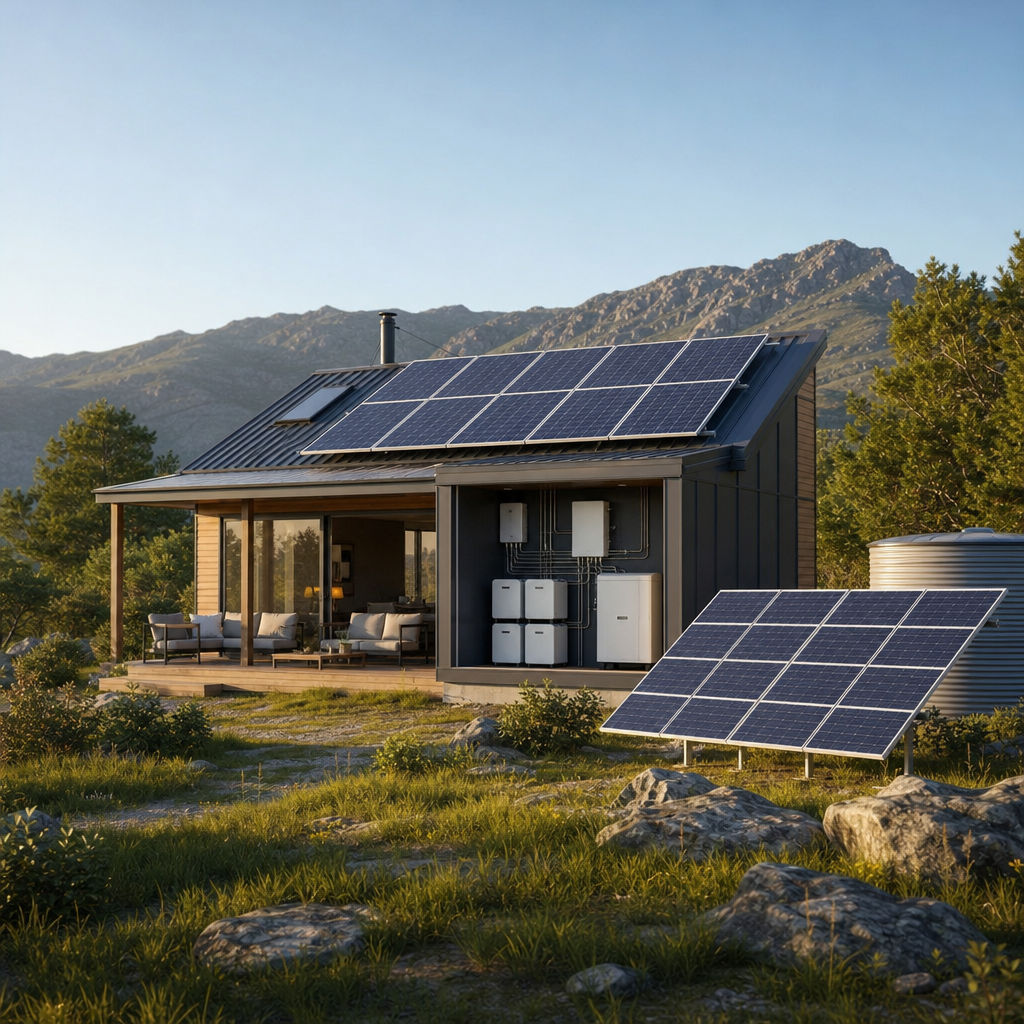
While solar panels generate electricity during daylight hours, battery storage allows that energy to be used whenever it's needed most, including at night or during a grid outage. This is particularly relevant in California, where time-of-use electricity rates often penalize consumption during early evening hours when solar production has already tapered off.
Key advantages of adding battery storage to a solar system include:
The National Renewable Energy Laboratory has published extensive research showing that pairing solar with storage significantly increases a household's energy resilience and self-sufficiency compared to solar alone. For homeowners evaluating whether storage is worth the added upfront cost, the long-term value typically outweighs the investment, especially as utility rate structures continue to favor self-consumption over grid export.
California's regulatory environment has evolved significantly in recent years, and understanding current rules is essential for maximizing the benefits of solar energy for California homes.
The state transitioned from the original Net Energy Metering (NEM) framework to a newer net billing structure, which generally offers lower compensation for excess energy exported to the grid compared to earlier programs. This shift has made battery storage more financially attractive, since homeowners now have greater incentive to use their own solar energy rather than sell it back at reduced rates.
California has worked to streamline solar permitting through programs like SolarAPP+, an instant permitting platform adopted by many municipalities to reduce installation delays. However, requirements still vary by city and utility provider, which is why working with an installer experienced in local jurisdictions saves time and avoids costly mistakes.
Despite changes to net billing, several incentives remain available to California homeowners:
Navigating these programs can be complex, which is why many homeowners rely on experienced installers to identify every available incentive for their specific situation.
A professional solar installation typically follows a structured process designed to ensure safety, code compliance, and system performance. Understanding each phase helps homeowners know what to expect and reduces surprises along the way.
Because installation quality directly affects long-term system performance and safety, it's worth choosing a company with a strong track record. www.everysun.com backs every installation with a 20-year installation guarantee and 25-year product warranties, giving homeowners confidence that their investment is protected well beyond the initial purchase.
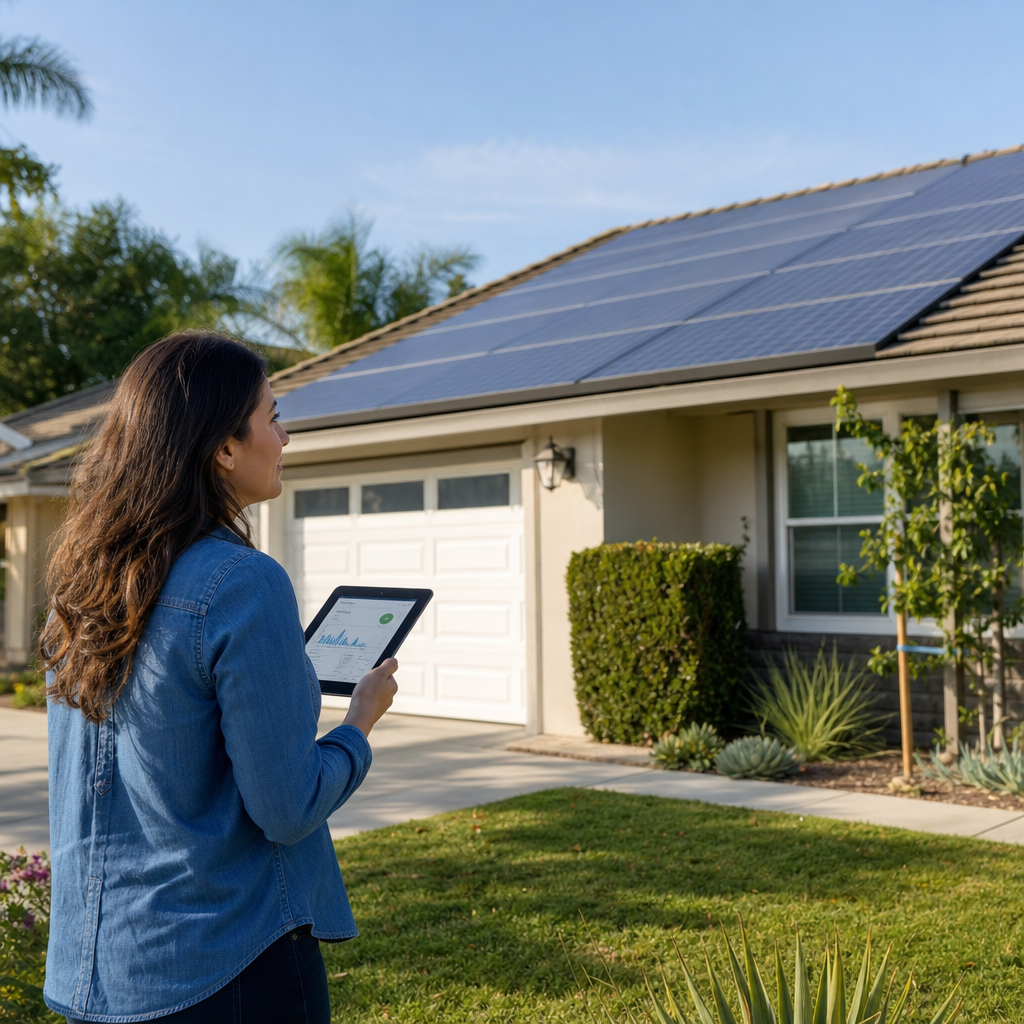
While the benefits of solar are substantial, it's reasonable for homeowners to have questions before committing to a system. Addressing these concerns upfront leads to a smoother experience and better long-term satisfaction.
Roof condition and age. If your roof needs replacement within the next five to ten years, it's generally more cost-effective to handle that before installing solar panels, since removing and reinstalling panels later adds unnecessary expense.
System sizing accuracy. An undersized system won't deliver the savings you expect, while an oversized system adds unnecessary upfront cost. A detailed energy usage analysis is essential to right-size your system.
Financing terms. Solar financing options vary widely, from cash purchases to loans, leases, and power purchase agreements. Understanding the long-term cost implications of each option matters just as much as the upfront price.
Installer reputation and warranty coverage. Not all installers offer the same level of post-installation support. Look for companies offering strong workmanship guarantees and manufacturer warranties, since equipment issues or installation defects can otherwise become costly out-of-pocket repairs years down the road.
Maintenance expectations. Solar panels require minimal maintenance, generally limited to occasional cleaning and periodic inspection, but it's helpful to understand what, if anything, your warranty covers regarding performance guarantees over time.
Solar panel systems are a long-term investment, and their value compounds significantly over the 25-to-30-year lifespan of modern equipment. While the upfront cost may seem significant, the cumulative savings over two or three decades of reduced utility bills, combined with protection against future rate increases, typically result in substantial net savings compared to remaining fully reliant on the grid.
Consider the following comparison of 20-year cost projections for a typical California household:
| Scenario | Estimated 20-Year Electricity Cost |
|---|---|
| No solar (grid-only, assuming moderate annual rate increases) | $84,000 |
| Solar panels only | $38,000 |
| Solar panels with battery storage | $29,000 |
These projections assume typical usage patterns and historical utility rate trends, but actual results vary by household. Still, the general trend holds true across most California markets: the earlier a household adopts solar, the more cumulative savings it captures over time, since every year on standard grid rates represents a missed opportunity for savings.
The benefits of solar energy for California homes are only fully realized when the system is designed, installed, and maintained correctly. Choosing an experienced, reputable installer affects everything from system performance to long-term warranty support. When evaluating potential solar providers, consider:
Everysun combines US-made, high-efficiency solar panels with Swedish safety and installation standards, an approach that reflects a broader commitment to quality and long-term reliability. With flexible payment options, a 20-year installation guarantee, and 25-year product warranties, the company is built around making solar both accessible and dependable for California families.
Solar energy offers California homeowners a powerful combination of financial savings, energy independence, and environmental responsibility. From reducing monthly electricity bills to providing backup power during grid outages, the advantages extend well beyond the initial installation and compound significantly over the system's multi-decade lifespan. As utility rates continue to rise and the state's energy policies continue to evolve, the case for solar adoption in 2026 remains as strong as ever for households ready to take control of their energy future.
If you're considering making the switch, partnering with an experienced, trustworthy installer makes all the difference in maximizing these benefits. www.everysun.com specializes in designing and installing residential solar and battery storage systems tailored to California homes, backed by industry-leading warranties and a commitment to quality that helps homeowners feel confident in their investment for decades to come.
© 2025 Everysun Inc. All Rights Reserved.


Get Your Free Solar Quote
Request your free quote and see how solar can work for your home and budget