Residential Solar Installation California: The Complete Homeowner's Guide
August 28, 2026
|
California
California remains the undisputed leader in residential solar adoption in the United States, and for good reason. With some of the nation's highest electricity rates, abundant sunshine, and a state government actively pushing clean energy policy, homeowners across the state have compelling financial and environmental reasons to go solar. But navigating residential solar installation in California in 2026 means understanding a landscape that has shifted considerably in recent years—from the transition to the Net Billing Tariff (NEM 3.0) to evolving battery storage incentives and financing structures.
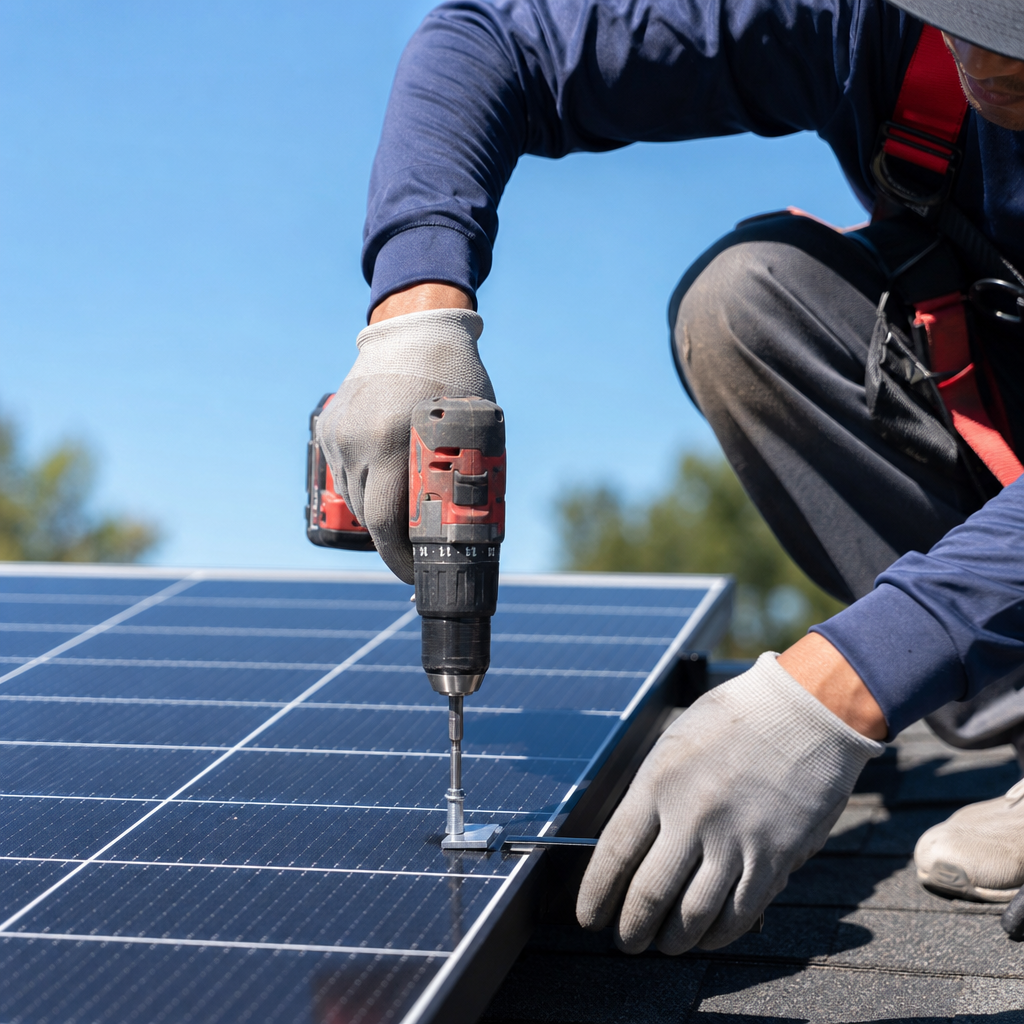
Despite policy changes that have reduced the value of exported solar energy, solar remains one of the most effective ways for California homeowners to control long-term energy costs. Electricity rates from major utilities like PG&E, SCE, and SDG&E have continued climbing, with some tiers exceeding $0.45–$0.50 per kilowatt-hour. Solar panels paired with battery storage allow homeowners to generate and store their own power, reducing reliance on the grid during expensive peak hours.
Key motivations driving adoption include:
According to the U.S. Department of Energy, homeowners who install solar can see significant reductions in their monthly utility bills, particularly when systems are properly sized to match household consumption patterns.
In April 2023, California transitioned from Net Energy Metering 2.0 to the Net Billing Tariff, commonly referred to as NEM 3.0. This policy change significantly reduced the compensation homeowners receive for excess solar energy sent back to the grid—by as much as 75% compared to the previous framework, according to analysis from the California Public Utilities Commission.
Under NEM 3.0, the value of exported solar power is tied more closely to real-time wholesale electricity pricing rather than the retail rate homeowners pay. This means solar energy exported at midday, when the grid is flooded with solar power, is worth far less than energy exported during evening peak hours.
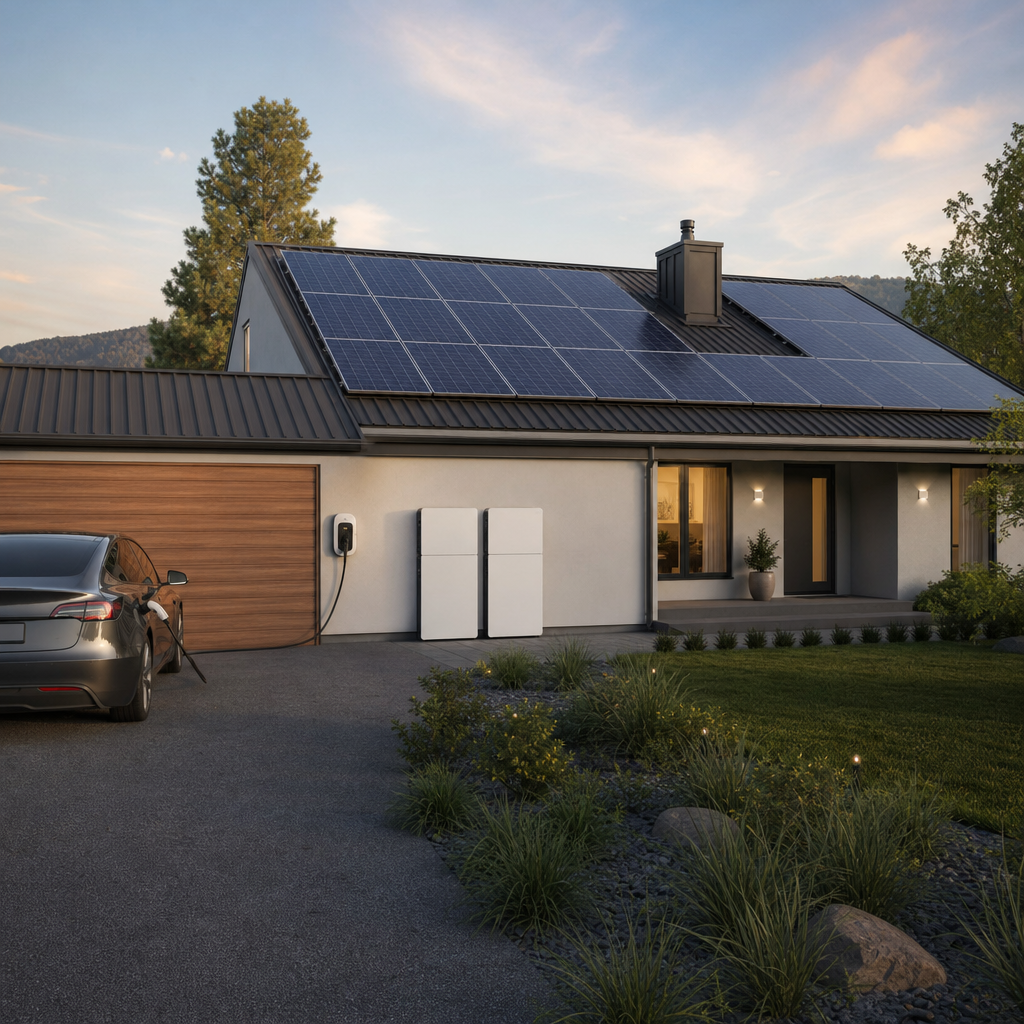
The practical result is that battery storage has become nearly essential for maximizing the return on a solar investment in California. Instead of exporting excess daytime energy for a small credit, homeowners now store that energy in a battery and use it during expensive evening peak hours—effectively increasing self-consumption and reducing dependence on the grid altogether.
FeatureNEM 2.0NEM 3.0 (Net Billing Tariff)Export compensationNear retail rateAvoided-cost rate (often 75% lower)Battery storage incentiveOptionalStrongly recommendedPayback period (avg.)5–7 years7–10 years without battery, 6–8 with batteryBest system designGrid-tied, no storageSolar + battery storageApplies toSystems interconnected before April 2023Systems interconnected after April 2023
Solar pricing varies based on system size, roof complexity, equipment quality, and whether battery storage is included. As of 2026, the average cost of residential solar in California typically falls between $3.00 and $4.20 per watt before incentives, though premium equipment and installation standards—like those used by www.everysun.com—may sit at the higher end of that range while delivering longer warranties and higher efficiency panels.
System SizeEstimated Cost (Before Incentives)Estimated Annual ProductionTypical Homes Served4 kW$14,000–$16,8006,000–7,200 kWhSmall homes, low usage6 kW$21,000–$25,2009,000–10,800 kWhAverage single-family home8 kW$28,000–$33,60012,000–14,400 kWhLarger homes, EV owners10 kW$35,000–$42,00015,000–18,000 kWhHigh-consumption households
Adding battery storage—such as a single 10–13.5 kWh unit—typically adds $9,000 to $15,000 to the total project cost, depending on battery brand and capacity requirements. While this raises the upfront investment, batteries are increasingly considered a core component rather than an optional add-on, especially given NEM 3.0 economics and the increasing frequency of wildfire-related outages.
The federal residential solar tax credit is no longer available. Some state, local, utility, or battery programs may still reduce project costs, depending on the homeowner’s location and eligibility.
It's worth consulting the Database of State Incentives for Renewables & Efficiency (DSIRE) to check current programs available in your specific county and utility territory, as incentive availability can shift throughout the year.
Not all solar panels and inverters are created equal, and equipment choice significantly affects both performance and long-term reliability. Homeowners should evaluate:
Everysun, for example, combines US-made high-efficiency panels with installation practices modeled on Swedish safety and engineering standards, backing every system with a 20-year installation guarantee and 25-year product warranties. This combination of premium hardware and rigorous installation protocol is designed to give homeowners confidence that their investment will perform reliably for decades, not just through the initial payback period.
Understanding what to expect during installation helps homeowners set realistic timelines and avoid surprises. While specifics vary by installer, most California residential solar projects follow this general sequence:
The entire process, from signed contract to system activation, generally takes six to twelve weeks in California, though this can vary based on utility processing times and local permitting backlogs.
Cost remains the top barrier for many homeowners considering solar, which is why flexible financing has become central to the industry. Common options include:
Providers like www.everysun.com offer flexible payment structures specifically designed to make solar attainable for a broader range of California households, recognizing that upfront cost shouldn't be the deciding factor in whether a family can access clean, reliable energy.
Financing TypeOwnershipUpfront CostLong-Term SavingsCash PurchaseHomeownerHighHighestSolar LoanHomeownerLow to noneHighPPAThird partyNoneModerateLeaseThird partyNoneLow to Moderate
Given NEM 3.0's reduced export compensation, pairing solar with battery storage has shifted from a luxury upgrade to a near-necessity for maximizing savings. Battery storage offers several distinct advantages for California homeowners:
When evaluating battery options, homeowners should consider usable capacity (kWh), continuous power output (kW), round-trip efficiency, and warranty terms, as these factors directly affect how much backup power is available during an outage and how long the battery will perform reliably.
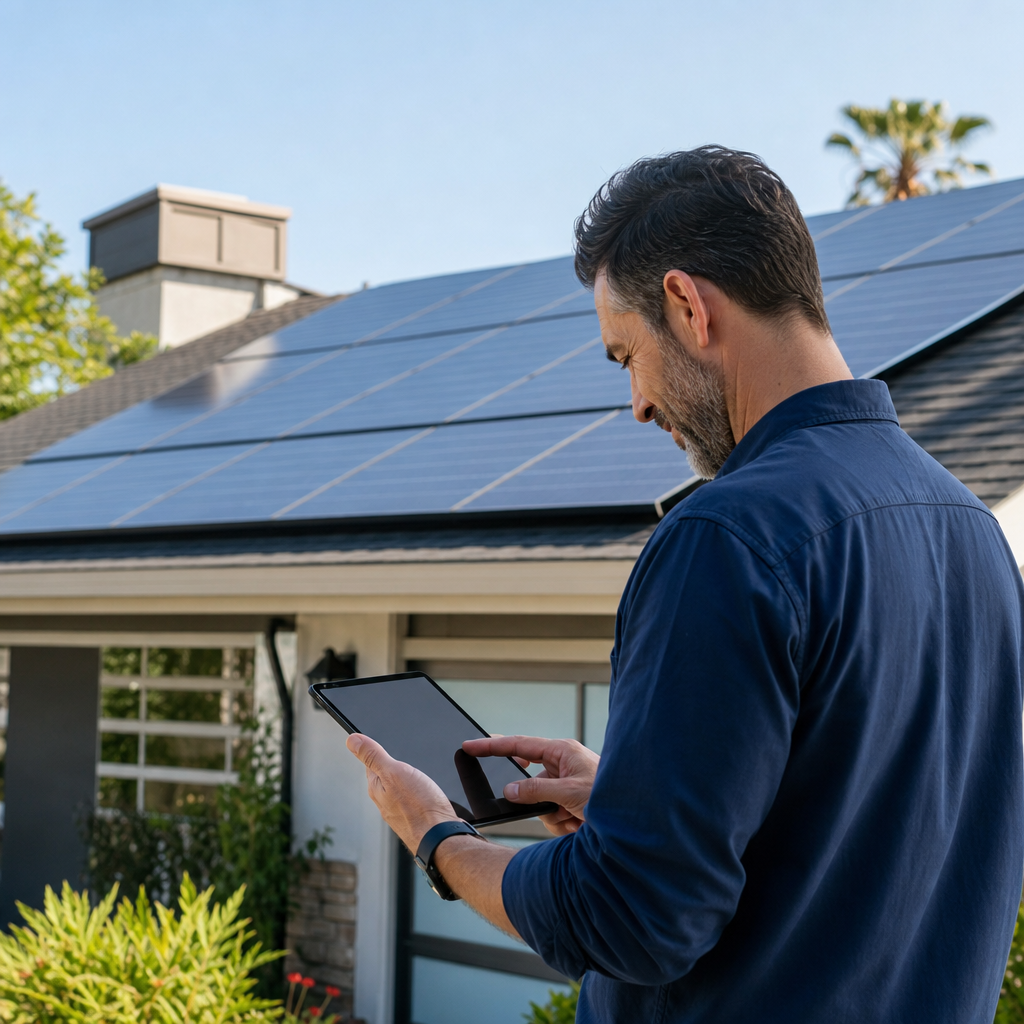
The solar industry has seen its share of companies entering and exiting the market quickly, which makes installer selection one of the most important decisions in the entire process. A poorly installed system—or one backed by a company that no longer exists in five years—can turn a promising investment into a costly headache.
When evaluating installers, homeowners should ask:
Longer warranties—such as Everysun's 20-year installation guarantee and 25-year product warranties—signal that a company is confident in both its equipment and its installation quality, which matters considerably given that solar systems are designed to operate for a quarter-century or more. For further guidance on evaluating contractors and industry best practices, resources like frontrank.com offer helpful perspectives on vetting home service providers.
One of solar's biggest appeals is its low maintenance requirement compared to other home systems. That said, a few simple practices help maximize performance over the system's lifespan:
Most reputable installers include remote monitoring as part of their service, alerting both the homeowner and the company if production drops unexpectedly.
Despite the changes brought by NEM 3.0, the answer for most homeowners remains yes—provided the system is properly designed and, in most cases, paired with battery storage. The combination of high electricity rates and improving battery economics means that well-designed solar systems can still deliver meaningful long-term savings, though actual payback depends on system cost, energy use, utility rates, and system design.
Homeowners should be cautious of oversized systems designed primarily to maximize exports rather than self-consumption, as this approach no longer delivers the same value under current billing structures. Instead, right-sizing a system to match actual household consumption—supplemented by battery storage to capture and use excess daytime generation—produces the strongest financial outcomes under today's rules.
Residential solar installation in California continues to offer meaningful financial and environmental benefits, even as policy details evolve. Success depends on thoughtful system design, quality equipment, and a trustworthy installer who will stand behind their work for decades. By understanding NEM 3.0's impact, evaluating financing options carefully, and prioritizing battery storage where appropriate, California homeowners can build a solar system that delivers real long-term value.
For homeowners ready to explore their options, www.everysun.com combines US-made high-efficiency panels, Swedish-inspired safety and installation standards, and flexible payment plans backed by a 20-year installation guarantee and 25-year product warranties—giving California families a dependable path toward lower energy bills and greater energy independence.
© 2025 Everysun Inc. All Rights Reserved.


Get Your Free Solar Quote
Request your free quote and see how solar can work for your home and budget