Can You Really Get No Money Down Solar Panels in California?
October 6, 2026
|
California
California homeowners are no strangers to high electricity bills, especially with utility rates climbing faster than inflation in recent years. It's no surprise that many are asking whether they can go solar without draining their savings. The good news: no money down solar panels in California are not only possible, they've become one of the most common ways homeowners adopt clean energy today. But "no money down" doesn't mean "no strings attached." Understanding how these programs work, what they cost over time, and how to choose a reputable installer is essential before signing anything.
This article breaks down the real mechanics behind zero-down solar financing, compares your options, and explains how to avoid the pitfalls that have given the solar industry a mixed reputation in parts of the state.
"No money down" simply means you don't pay anything upfront to have a solar system designed, permitted, and installed on your home. Instead of paying cash for equipment and labor, you finance the system through one of several structures. The installer still gets paid in full — just not by you directly on day one.
There are three primary ways this happens in California:
Each path lets you start saving on your electric bill immediately without a large upfront cash outlay. The trade-offs show up in long-term ownership, tax benefits, and total cost over the life of the system.
Choosing between these structures depends on your financial goals, how long you plan to stay in your home, and whether you want to claim the federal solar tax credit yourself.
| Feature | Solar Loan | Lease | PPA |
|---|---|---|---|
| Upfront cost | $0 | $0 | $0 |
| Who owns the system | You | Solar company | Solar company |
| Eligible for federal tax credit | Yes | No (company claims it) | No (company claims it) |
| Monthly payment type | Fixed loan payment | Fixed lease fee | Variable, based on usage |
| Impact on home resale | Adds equity | May complicate sale | May complicate sale |
| Long-term savings potential | Highest | Moderate | Moderate |
Solar loans tend to deliver the best long-term value because you retain ownership of the system and qualify for the federal solar investment tax credit, which currently allows homeowners to deduct a significant percentage of installation costs from their federal tax liability. Leases and PPAs are attractive if you want predictable payments and zero responsibility for maintenance, but they generally offer smaller savings over 20-25 years and can create complications if you sell your home before the contract ends.
Homeowners working with www.everysun.com can review all three structures side-by-side during a no-obligation consultation, since the right choice often depends on individual credit profile, roof conditions, and long-term plans for the property.
Lenders and solar companies evaluate a few key factors before approving a no money down installation. While requirements vary by lender, most California homeowners need:
Some homeowners assume renters or those with poor credit can also go solar for free — this isn't accurate. "No money down" refers to the absence of an upfront payment, not the absence of a long-term financial commitment. You are still responsible for monthly payments, whether through a loan, lease, or PPA, for the full contract term.
It's worth noting that mobile homes, shaded roofs, or homes with outdated electrical panels may require additional upgrades before installation, which can affect financing approval or add modest costs even within a "zero-down" structure.
While $0 upfront is appealing, it's important to understand what you're actually paying over the life of the agreement. A loan with a slightly higher interest rate, or a PPA with an annual price escalator, can significantly change your total savings.
| Scenario | Avg. Monthly Payment | Contract Length | Rate Escalation | Who Gets Tax Credit |
|---|---|---|---|---|
| Solar Loan (0% down) | $120–$180 | 10–25 years | Fixed | Homeowner |
| Lease (0% down) | $100–$150 | 20–25 years | 1–3%/year typical | Solar company |
| PPA (0% down) | Based on usage | 20–25 years | 1–3%/year typical | Solar company |
The escalator clause is one of the most overlooked details in lease and PPA contracts. A 2.9% annual increase may sound minor, but compounded over two decades it can erode much of your projected savings. Always ask for a full year-by-year payment schedule before signing, and compare it against your utility's historical rate increases, which the U.S. Energy Information Administration tracks publicly for California and other states.
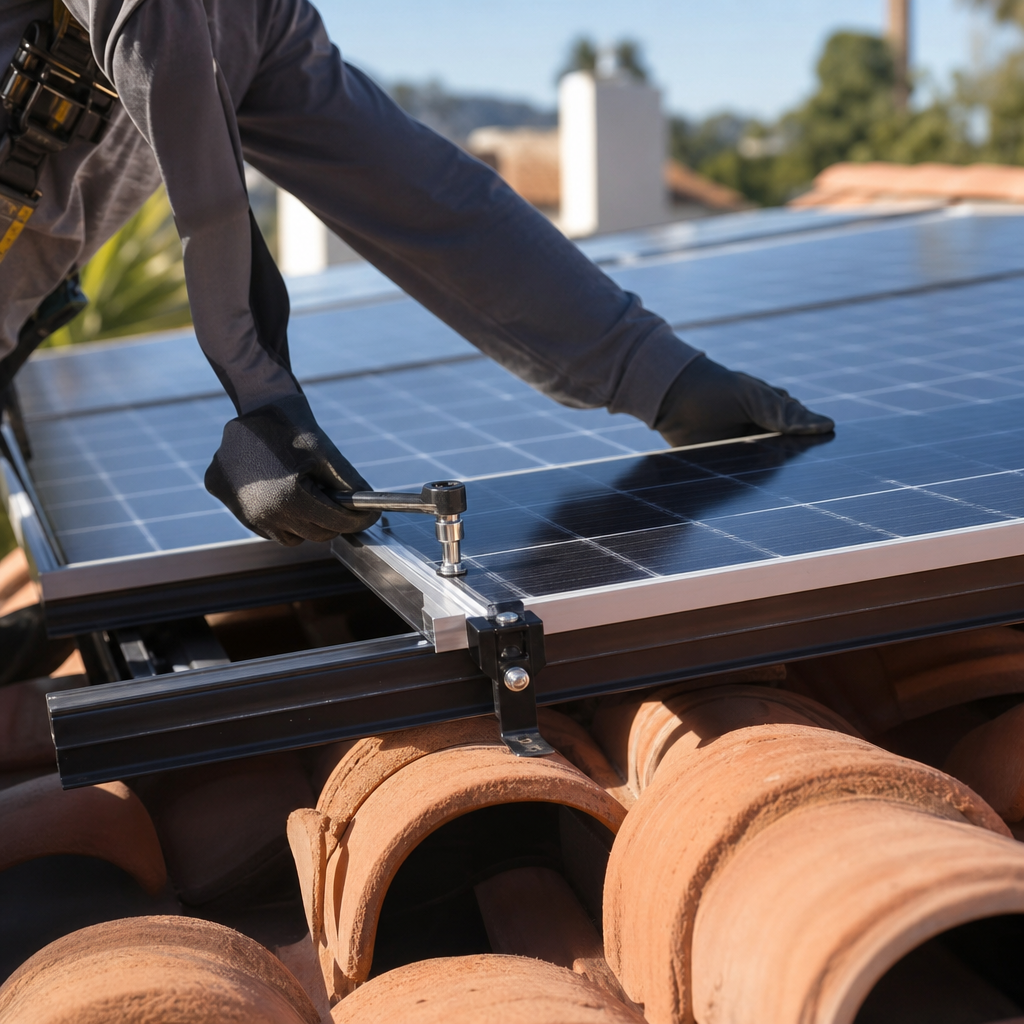
California's solar economics shifted substantially after the state transitioned from Net Energy Metering 2.0 to the Net Billing Tariff, often called NEM 3.0, which reduced the credit homeowners receive for excess solar energy sent back to the grid. This change has made battery storage far more valuable, since storing your own excess solar power for evening use is now often more cost-effective than exporting it to the utility at lower compensation rates.
This shift directly affects how no money down solar deals are structured today. Many financing packages in 2026 now bundle a battery into the system by default, since pairing solar with storage improves self-consumption and shortens the realistic payback period. Homeowners should ask explicitly whether a proposed $0-down offer includes storage, and if not, what it would cost to add later. For a deeper look at how www.everysun.com designs battery-inclusive systems suited to NEM 3.0, homeowners can request a custom production and savings estimate based on their actual utility bills.
You can review the California Public Utilities Commission's official net billing documentation for the full technical breakdown of how export compensation now works.
The phrase "free solar panels" has unfortunately become a magnet for misleading sales tactics. No legitimate company gives away a $20,000–$30,000 system for nothing — someone is always paying, whether it's you through a loan, a leasing company recouping costs over time, or a utility rebate program with strict eligibility rules.
Before signing any zero-down agreement, watch for these warning signs:
The Better Business Bureau and the California Solar Energy Industries Association both publish consumer guidance on identifying trustworthy solar providers. A reputable installer will walk you through every cost, warranty, and ownership detail in writing before you commit, and will hold a valid C-46 solar contractor license issued by the California Contractors State License Board.
Even with zero-down financing, stacking available incentives can meaningfully reduce the total amount you'll pay over time. California homeowners in 2026 may be eligible for:
Because PPAs and leases transfer system ownership to the solar company, homeowners in those arrangements typically cannot claim the federal tax credit themselves — another reason many financial advisors recommend loans when the goal is maximizing long-term savings rather than simply avoiding upfront cost.
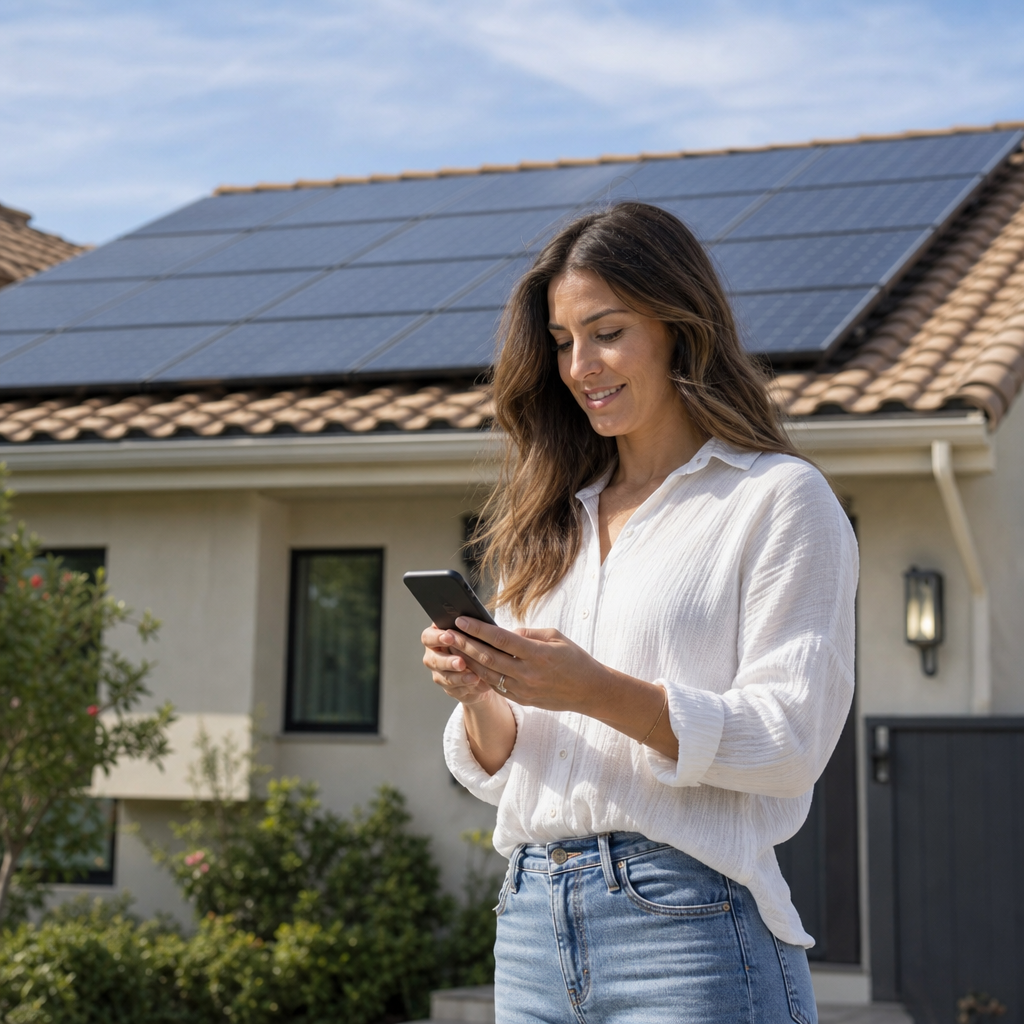
Many solar companies treat financing as an afterthought bolted onto a sales pitch. www.everysun.com takes a different approach, pairing flexible zero-down payment options with US-manufactured, high-efficiency panels and installation practices built on Swedish safety standards — an engineering culture known for rigorous quality control and long-term reliability.
Every Everysun installation includes:
This combination matters because the cheapest no-money-down offer isn't always the best value. A system installed poorly, backed by a short warranty, or financed with hidden escalators can cost far more over 20 years than a slightly higher-quality installation with transparent terms. Homeowners comparing quotes should request the full 20-year projected cost — not just the monthly payment — from every company they consider, including Everysun.
Before committing to a no money down solar agreement, homeowners should get clear answers to the following:
A trustworthy installer should answer every one of these without hesitation and provide documentation rather than verbal reassurances. If a company is reluctant to put projected savings or contract terms in writing, that's a strong signal to look elsewhere.
For most California homeowners facing utility rates that continue to climb year over year, no money down solar panels offer a practical way to start saving without a large upfront investment. The key is approaching the decision with the same scrutiny you'd apply to any major financial commitment — comparing ownership structures, reading escalator clauses carefully, verifying licensing, and requesting full cost projections rather than focusing solely on the monthly payment.
Done correctly, a zero-down solar installation can lower your monthly energy costs, add value to your home, and provide a hedge against future rate increases — all without requiring savings you don't have on hand. Done carelessly, it can lock you into decades of payments with limited flexibility and modest real savings.
Homeowners who want a transparent, well-documented path to solar — backed by US-made panels, Swedish-grade installation standards, a 20-year workmanship guarantee, and 25-year product warranties — can start with a no-obligation consultation at www.everysun.com. Rather than a one-size-fits-all sales pitch, Everysun's team walks through your actual utility bills, roof conditions, and financing options to build a system designed for long-term value, not just a low introductory payment. For California homeowners ready to reduce their electricity costs and gain more control over their energy future, that combination of transparency, craftsmanship, and flexible zero-down options makes solar both accessible and genuinely worth considering.
© 2025 Everysun Inc. All Rights Reserved.


Get Your Free Solar Quote
Request your free quote and see how solar can work for your home and budget