How Long Do Solar Panels Last Before They Need Replacing?
September 28, 2026
|
California
Solar panels represent one of the largest home investments a California homeowner will make, so it's natural to ask how long that investment will actually last. The good news is that modern solar panels are remarkably durable, often producing usable electricity for 25 to 40 years. But the real answer depends on panel quality, installation standards, climate exposure, and ongoing maintenance. In this article, we break down panel lifespan expectations, degradation rates, warranty coverage, and the practical steps homeowners can take to get the most out of their system for decades to come.
When people ask how long solar panels last, they usually mean one of two things: how long until the panels stop working completely, or how long until they no longer produce enough electricity to be worthwhile. These are very different questions.
Solar panels rarely fail outright. Instead, they experience a slow, predictable decline in efficiency known as degradation. A panel manufactured today doesn't suddenly quit producing power after 25 years — it simply generates less electricity than it did on day one. Most industry experts and manufacturers define the "end of life" for a solar panel as the point when its output drops below 80% of its original rated capacity, though the panel may continue producing usable power well beyond that threshold.
According to the National Renewable Energy Laboratory (NREL), the median degradation rate for crystalline silicon panels — the most common type installed on homes — is about 0.5% per year. That means after 25 years, a typical panel is still operating at roughly 87-88% of its original output, which is well above the common 80% benchmark used by manufacturers for warranty purposes.
Not all solar panels are built the same, and lifespan expectations vary based on the technology and materials used. Here's a general comparison of common residential panel types:
| Panel Type | Typical Lifespan | Average Degradation Rate | Notes |
|---|---|---|---|
| Monocrystalline | 25-40 years | 0.3%-0.5% per year | Highest efficiency, most common for premium installs |
| Polycrystalline | 25-30 years | 0.5%-0.8% per year | Slightly lower cost, slightly faster degradation |
| Thin-Film | 10-20 years | 1.0%-2.0% per year | Lightweight, less common for rooftop residential use |
| High-Efficiency US-Made Monocrystalline | 30-40 years | 0.25%-0.4% per year | Premium build quality, often paired with longer warranties |
Monocrystalline panels, particularly high-efficiency US-made models, tend to outperform other types over the long haul because of superior cell purity and more robust manufacturing tolerances. This is why companies like www.everysun.com prioritize US-made, high-efficiency monocrystalline panels for California installations — homeowners get a system built to perform reliably for decades, not just through the warranty period.
Degradation isn't a flaw — it's simply the natural result of continuous exposure to sunlight, heat, humidity, and weather cycles. Several factors contribute to the gradual decline in output:
Fortunately, decades of manufacturing improvements have significantly reduced these effects. Panels produced in the last five years degrade far more slowly than panels from the early 2000s, thanks to better encapsulants, improved cell architecture, and tighter quality control standards. The U.S. Department of Energy notes that continued innovation in materials science is one of the primary reasons solar has become both cheaper and more durable over the past two decades.
Manufacturer warranties are one of the best indicators of how long a solar panel is expected to perform reliably. Most reputable manufacturers offer two separate types of warranties:
| Warranty Type | Typical Coverage Length | What It Guarantees |
|---|---|---|
| Product/Equipment Warranty | 10-25 years | Protection against manufacturing defects and premature failure |
| Performance Warranty | 25-30 years | Minimum guaranteed power output over time |
| Inverter Warranty | 10-25 years | Coverage for the device converting DC to AC power |
| Installation Warranty | Varies by installer | Protection against workmanship issues, leaks, or mounting failures |
This is why Everysun backs every installation with a 20-year installation guarantee and 25-year product warranties — giving homeowners confidence that both the equipment and the workmanship are protected well beyond the initial payback period. You can review the specifics of these guarantees directly at www.everysun.com.
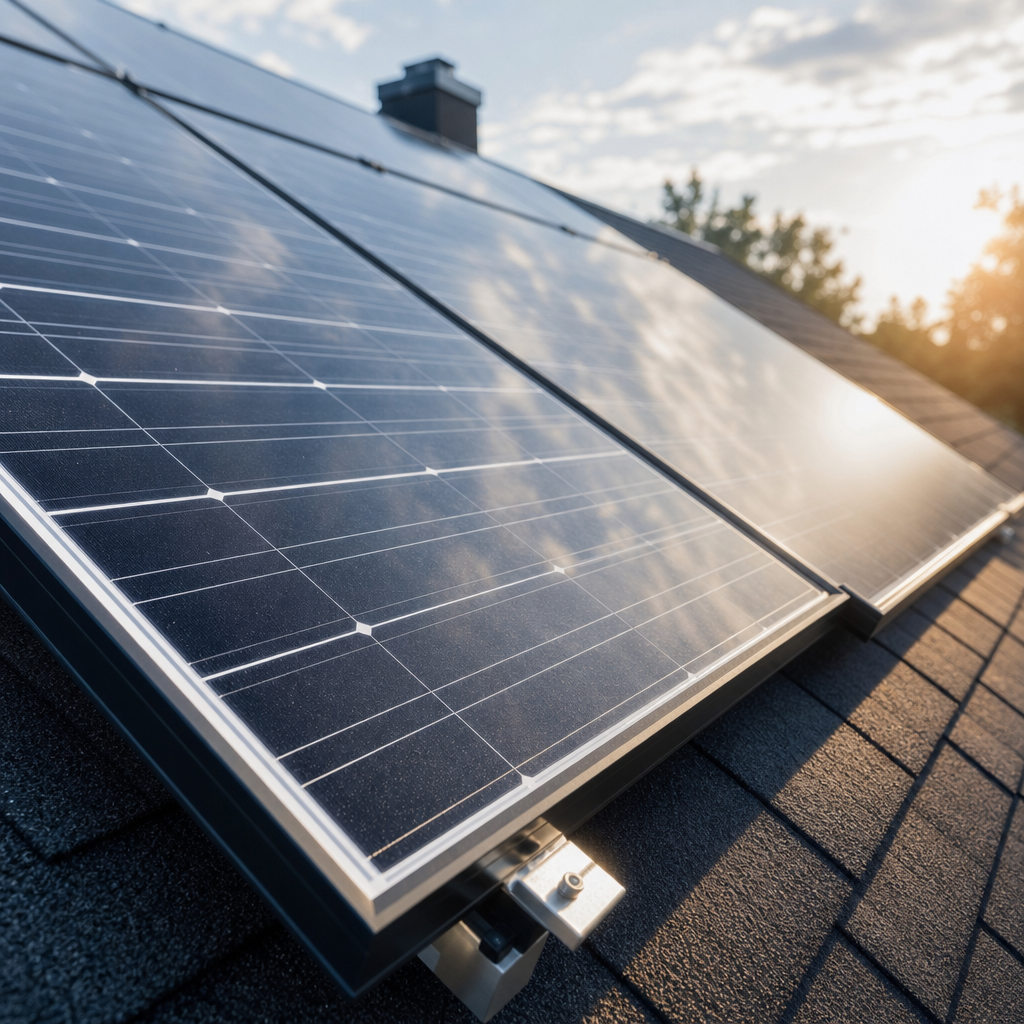
While manufacturer specifications provide a baseline, real-world lifespan is heavily influenced by conditions specific to your home and installation. Key factors include:
Because installation quality plays such an outsized role, homeowners should be cautious about choosing installers based on price alone. A slightly cheaper installation with subpar racking or inexperienced labor can shave years off a system's effective service life — an issue Everysun addresses by combining Swedish safety and installation standards with rigorous quality control on every project.
It helps to put solar panel longevity into perspective by comparing it to other major home systems homeowners are already familiar with replacing or maintaining:
| Home System | Typical Lifespan |
|---|---|
| Solar Panels | 25-40 years |
| Asphalt Shingle Roof | 20-25 years |
| Central Air Conditioning Unit | 15-20 years |
| Water Heater (Tank) | 10-15 years |
| Home Battery Storage | 10-15 years |
| Furnace/HVAC System | 15-25 years |
Notice that solar panels often outlast the very roof they're mounted on, and can significantly outlast HVAC systems and water heaters. This is one of the most compelling reasons solar is considered a long-term investment rather than a short-term upgrade — the panels frequently outlive other major home components entirely.
It's worth noting that battery storage systems, which many California homeowners are now pairing with solar to maximize self-consumption and backup power, generally have shorter lifespans than the panels themselves — typically 10-15 years before capacity fade necessitates replacement or augmentation. Homeowners should factor this into their long-term cost planning when designing a solar-plus-storage system.
Even high-quality panels eventually show signs of aging. Watch for these indicators that your system's performance may be declining faster than expected:
If you notice any of these signs, it's worth having a professional inspect the system rather than waiting for a larger failure. Regular monitoring — many modern systems include app-based production tracking — makes it easy to catch declining performance early.
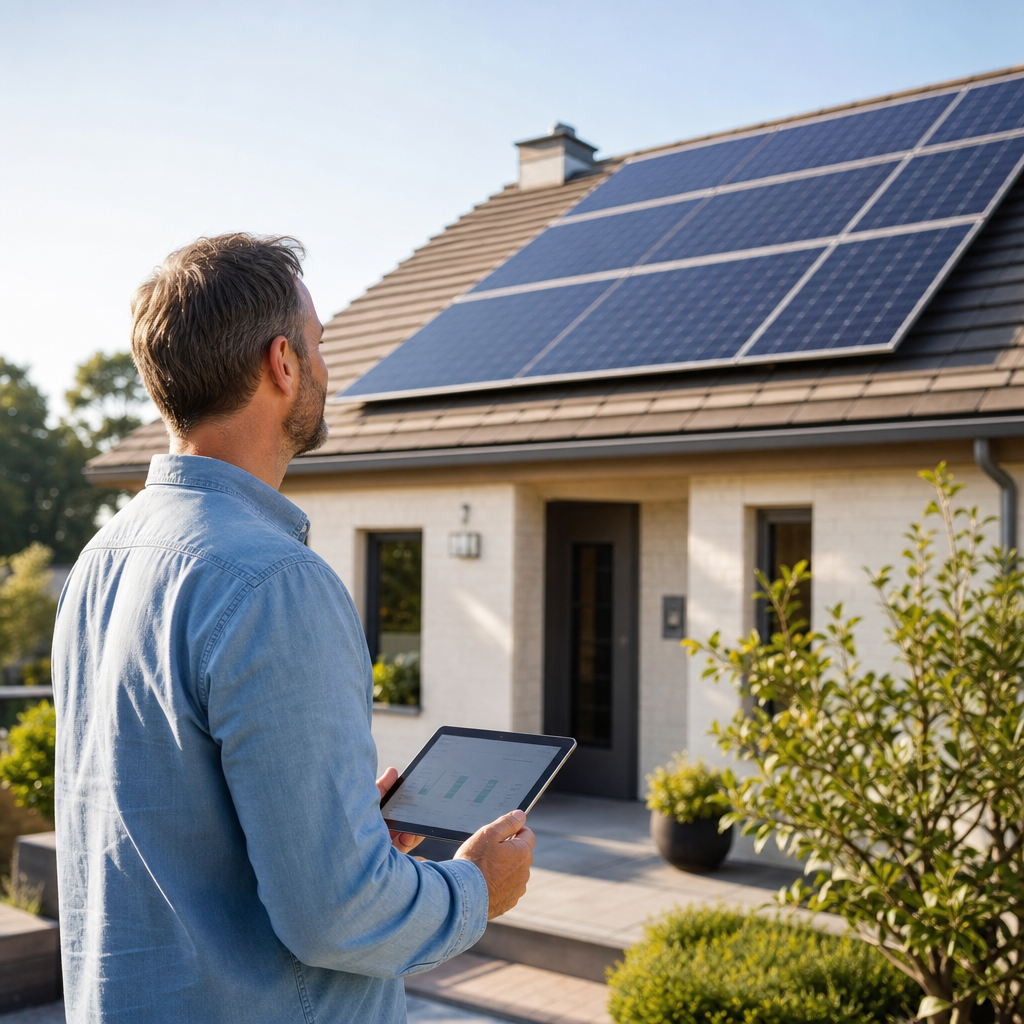
While degradation is inevitable, homeowners can take concrete steps to slow it down and protect their investment for as long as possible:
The Solar Energy Industries Association (SEIA) emphasizes that proper system design and installation practices are just as important as panel quality when it comes to long-term performance — reinforcing why the installer you choose matters as much as the brand of panel on your roof.
It's tempting to focus entirely on panel specifications when shopping for solar, but a huge percentage of long-term performance issues actually stem from installation shortcuts rather than manufacturing defects. Improper flashing around roof penetrations can lead to water damage. Loose racking can allow panels to flex in high winds, leading to microcracks. Undersized wiring or poorly torqued connections can create resistance points that generate heat and accelerate component wear.
This is precisely why Everysun combines premium US-made panels with Swedish-engineered safety and installation protocols — a combination designed to protect not just the equipment, but the roof and electrical system it's connected to. Homeowners considering solar should ask potential installers detailed questions about their mounting hardware, electrical practices, and workmanship warranties, not just the panel brand being offered.
Do solar panels stop working after 25 years? No. Twenty-five years is typically the performance warranty period, not an expiration date. Panels usually continue producing meaningful electricity — often 80% or more of original capacity — well beyond this milestone.
Does California's climate affect how long panels last? Yes, in both positive and negative ways. Abundant sunshine means panels produce more energy, but also means more UV exposure and thermal cycling. Coastal areas add salt-air corrosion risk, while inland desert regions face intense heat. Quality materials and installation practices help offset these regional stressors.
Is it worth replacing panels after 20-25 years, or should I keep them? In most cases, keeping panels that are still performing above 80% capacity remains cost-effective, especially since they were likely already paid off through electricity savings. Replacement usually only makes sense if physical damage, inverter failure, or significant efficiency loss occurs.
How does battery storage lifespan compare to panel lifespan? Battery storage systems typically last 10-15 years, roughly half the lifespan of solar panels, so homeowners should plan for a battery replacement or capacity upgrade at some point during their system's overall life.
Solar panels are built to last for decades, and with proper installation and routine care, most systems will continue generating meaningful electricity well past their 25-year warranty period. The biggest factors within a homeowner's control — choosing high-efficiency panels, selecting an experienced and reputable installer, and maintaining the system over time — matter just as much as the underlying technology itself.
For California homeowners who want long-term peace of mind, Everysun combines US-made high-efficiency solar panels with rigorous Swedish safety and installation standards, backed by a 20-year installation guarantee and 25-year product warranties. That combination means your investment isn't just built to perform on day one — it's engineered to keep delivering clean, reliable energy and real electricity bill savings for decades. To see how a properly designed and installed solar system can work for your home, visit www.everysun.com and explore flexible payment options tailored to your household's energy goals.
© 2025 Everysun Inc. All Rights Reserved.


Get Your Free Solar Quote
Request your free quote and see how solar can work for your home and budget