$8,000-$20,000: The Real Price Range for High Efficiency Solar Panels for Home Installs in California
September 24, 2026
|
California
Choosing solar panels for your California home used to mean comparing a handful of similar-looking blue modules. Today, the market has split into clear tiers, and the difference between a standard panel and a high efficiency solar panel can mean thousands of dollars in lifetime savings, or a roof that simply can't fit enough capacity to cover your electricity bill. If you're trying to figure out whether paying more for higher efficiency actually pencils out, the numbers below will help you decide with confidence.
Solar panel efficiency is the percentage of sunlight hitting a panel that gets converted into usable electricity. Standard residential panels installed a decade ago typically converted 15-17% of sunlight into power. Today's high efficiency panels regularly reach 21-23%, with some premium models pushing past 24%.
That difference sounds small, but it compounds significantly across a 25-year system lifespan. A higher efficiency rating means:
The U.S. Department of Energy explains that efficiency gains come primarily from improved cell architecture, better anti-reflective coatings, and reduced electrical resistance losses within the panel itself. These are engineering improvements, not marketing terms, and they show up directly on your utility bill.
Not every "efficient" panel is created equal. Here's how the three common tiers stack up for a typical California home evaluating solar today.
| Panel Tier | Typical Efficiency | Panels Needed (7kW system) | Approx. Roof Space Needed |
|---|---|---|---|
| Standard (Polycrystalline) | 15-17% | 20-22 panels | 400-450 sq ft |
| High Efficiency (Monocrystalline PERC) | 19-21% | 17-18 panels | 340-370 sq ft |
| Premium High Efficiency (N-type/IBC) | 22-24%+ | 14-16 panels | 290-320 sq ft |
For homeowners with limited roof space, steep pitches, or partial shading from trees, this gap matters enormously. A premium high efficiency system can produce the same output as a standard system using nearly a third less roof area, which is often the difference between fully offsetting your bill and falling short.
Independent testing from NREL (National Renewable Energy Laboratory) consistently shows that monocrystalline and N-type cell designs outperform older polycrystalline technology in both efficiency and long-term durability, particularly in hot climates like California's Central Valley and inland regions.
California's combination of high electricity rates, tiered utility pricing, and net metering changes under NEM 3.0 makes panel efficiency a bigger financial factor than in almost any other state.
Here's why:
This is where working with a specialized installer matters. Everysun designs systems specifically around California's rate structures and roof conditions, pairing high efficiency US-made panels with battery storage to maximize the value homeowners get from every square foot of roof space. You can see how this approach compares to standard installations at www.everysun.com.
High efficiency panels typically cost 10-20% more per watt than standard panels. The question isn't whether they cost more, it's whether that premium pays for itself.
| Factor | Standard Panels | High Efficiency Panels |
|---|---|---|
| Cost per watt (before incentives) | $2.50 - $3.00 | $2.80 - $3.40 |
| System size for 7kW output | ~22 panels | ~16-18 panels |
| Installation labor/hardware | Higher (more panels, more racking) | Lower (fewer panels, less racking) |
| 25-year production estimate | Baseline | 8-15% higher |
| Roof space required | More | Less |
When you factor in reduced installation labor, fewer racking components, and less roof penetration, the net cost difference often shrinks to just a few percentage points, while the production gain remains. Over a 25-year system life, that translates into a meaningfully faster payback period for most California households.
The federal Residential Clean Energy Credit currently allows homeowners to deduct 30% of total system costs, including high efficiency panels and battery storage, from their federal taxes, which further narrows the gap between standard and premium equipment.
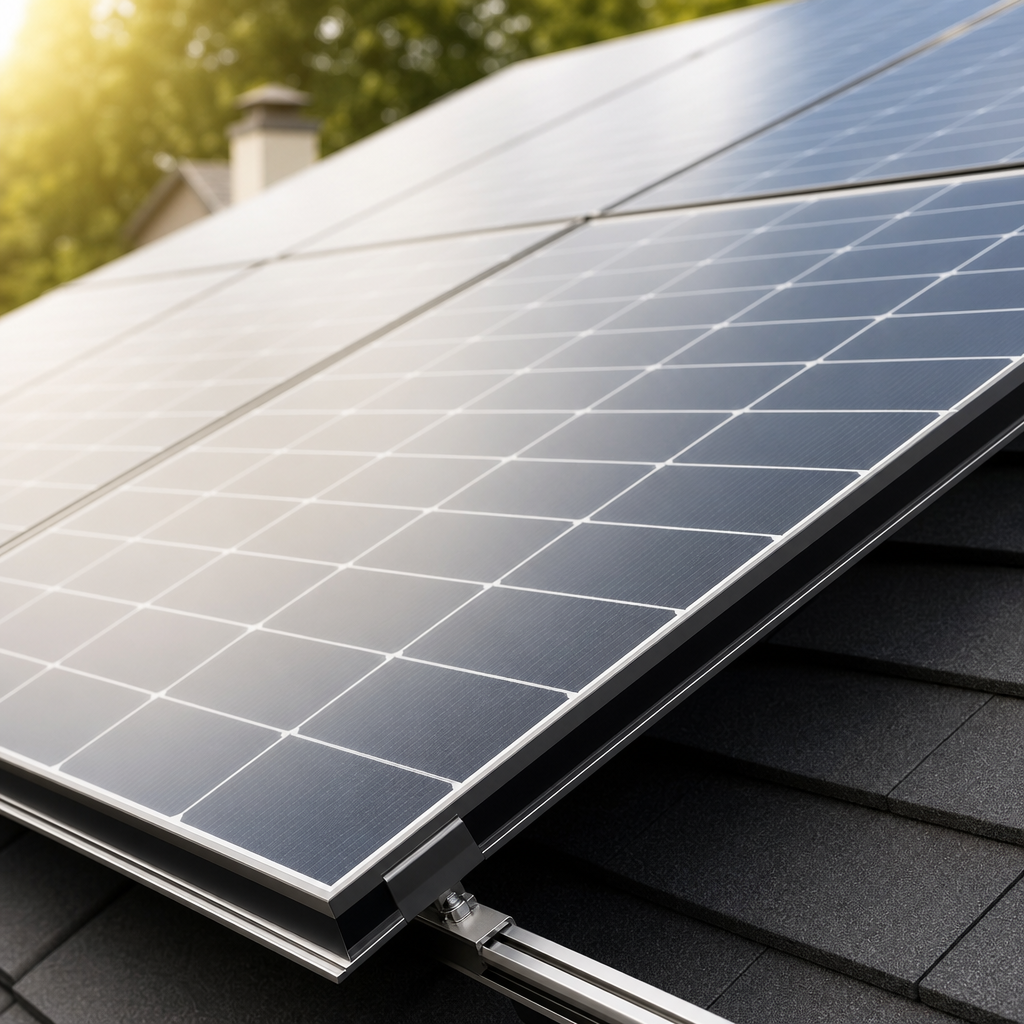
Manufacturer efficiency ratings are measured under lab conditions, but real-world performance depends on several site-specific factors homeowners should evaluate before choosing equipment.
Temperature coefficient. Every panel loses some efficiency as it heats up. High efficiency panels generally have better (lower) temperature coefficients, meaning they hold their output more consistently during California summers.
Roof orientation and tilt. South-facing roofs at an optimal tilt angle capture the most sunlight. East- or west-facing roofs still work well with high efficiency panels, since the extra output per panel helps compensate for a less-than-ideal angle.
Shading. Partial shade from trees or neighboring structures disproportionately affects lower-efficiency panels. Premium panels with better cell architecture and power optimizers handle partial shade more gracefully.
Inverter and battery pairing. Even the best panels underperform if paired with a mismatched inverter or undersized battery. A properly engineered system balances panel output, inverter capacity, and storage size.
Installation quality. Poor mounting, inadequate ventilation behind panels, or incorrect wiring can reduce real-world output by several percentage points regardless of panel rating. This is where installer craftsmanship becomes just as important as equipment selection.
A high efficiency panel is only valuable if it keeps performing for decades. When comparing systems, homeowners should look closely at three separate warranty types:
Many installers only offer the manufacturer's standard coverage and a short workmanship warranty of 5-10 years. Everysun stands apart by offering a 20-year installation guarantee alongside 25-year product warranties on its US-made high efficiency panels, built on Swedish safety and installation standards that emphasize long-term reliability over short-term cost-cutting. Homeowners considering a system can review the specifics of this coverage directly at www.everysun.com.
Here's a simple comparison of what a strong warranty package should include versus what many basic installation packages actually offer:
| Warranty Component | Basic Package (Common) | Comprehensive Package (Recommended) |
|---|---|---|
| Product Warranty | 10-12 years | 25 years |
| Performance Warranty | 80% at year 25 | 88-92% at year 25 |
| Installation/Workmanship | 5-10 years | 20 years |
| Roof Penetration Coverage | Limited or excluded | Fully included |
| Battery Storage Warranty | 5-10 years | 10-15 years |
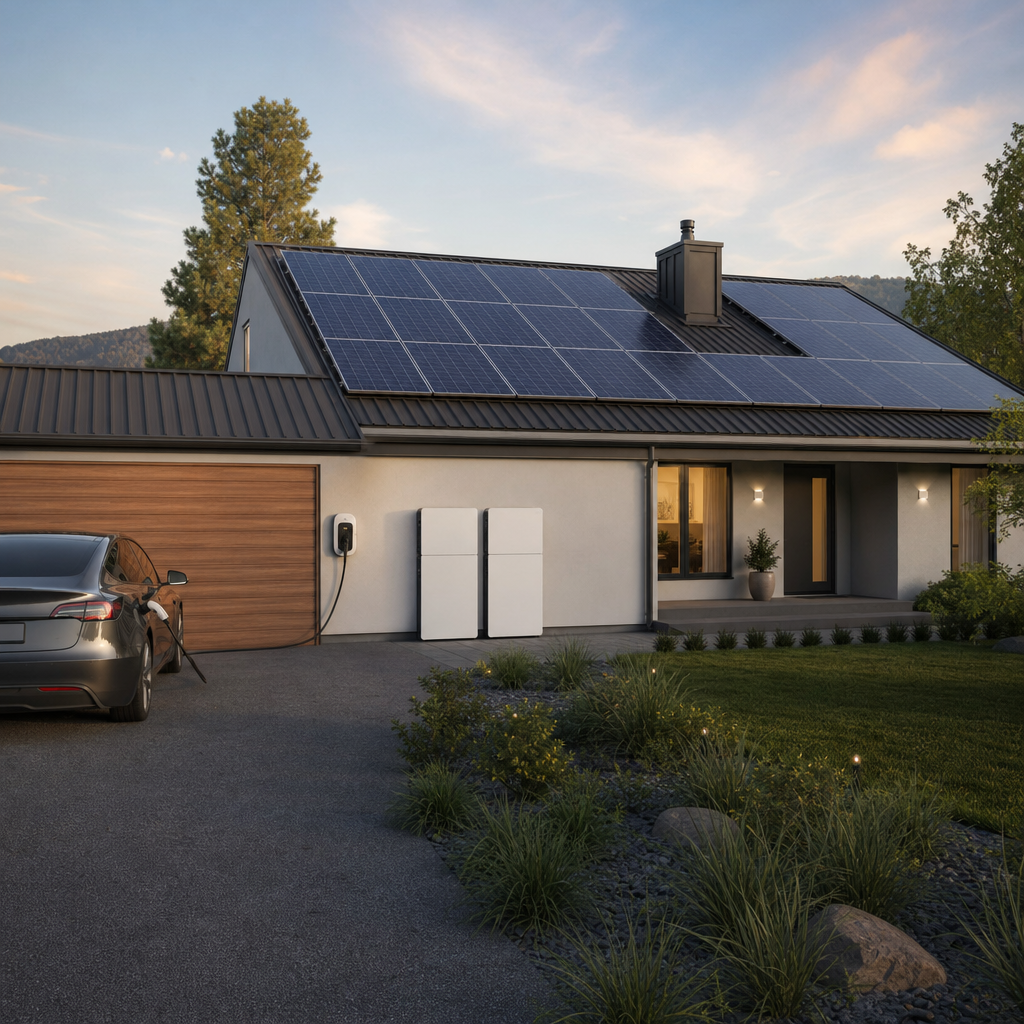
Since NEM 3.0 reduced the value of exporting excess solar to the grid, pairing high efficiency panels with battery storage has become the standard recommendation for California homeowners who want to maximize savings and maintain power during outages.
Battery storage allows homeowners to:
Because high efficiency panels produce more power per square foot, they're also better suited to fully charging a battery system even on shorter winter days or partially shaded roofs, an important consideration for homes that don't have unlimited south-facing roof area.
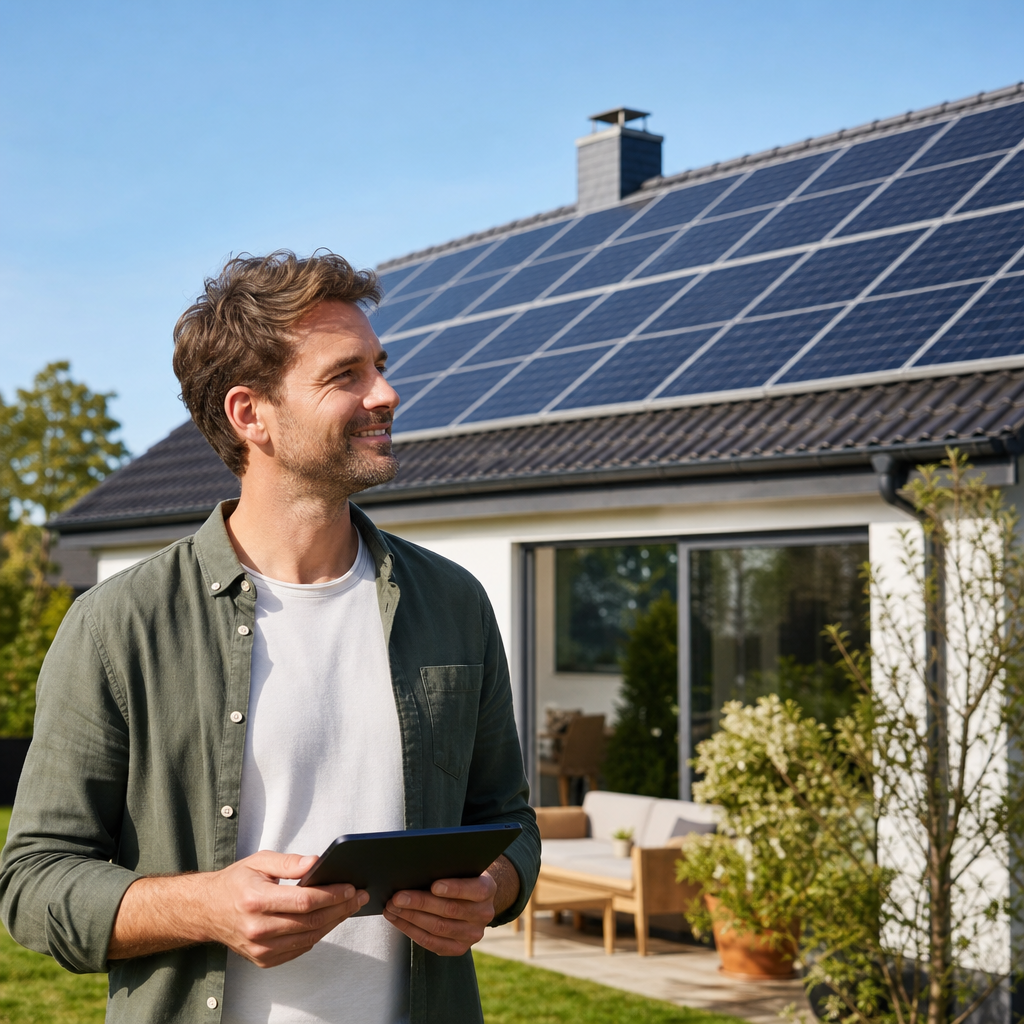
Every California home is different, and the right panel efficiency depends on your specific roof, budget, and energy goals. As a general guideline:
Getting an accurate roof assessment, shading analysis, and production estimate from a licensed installer is the only reliable way to know which tier of panel makes financial sense for your specific property. Generic online calculators can provide a rough idea, but they can't account for local shading patterns, roof orientation quirks, or your utility's specific rate structure.
High efficiency solar panels for home installations are no longer a luxury upgrade reserved for homeowners with unlimited budgets, they've become a practical necessity for California homes navigating high electricity rates, reduced net metering credits, and limited roof space. The efficiency premium you pay upfront is frequently offset by fewer panels, lower installation costs, and stronger long-term production, especially when the system is engineered correctly from the start.
Everysun combines US-made high efficiency panels with Swedish-standard installation practices, a 20-year installation guarantee, and 25-year product warranties to give California homeowners a solar and battery storage system built for genuine long-term performance, not just an attractive quote. If you're ready to see what a properly sized high efficiency system could save on your specific home, www.everysun.com offers a straightforward starting point for getting real numbers instead of guesswork.
© 2025 Everysun Inc. All Rights Reserved.


Get Your Free Solar Quote
Request your free quote and see how solar can work for your home and budget