7 Clean Energy Solutions for Homeowners That Cut California Electric Bills
October 24, 2026
|
California
California homeowners are facing a familiar squeeze: electricity rates keep climbing, grid reliability keeps wavering during heat waves and wildfire season, and utility bills consume a growing share of household budgets. The good news is that clean energy technology has matured to the point where it's no longer a niche experiment for the environmentally dedicated — it's a practical, financially sound decision for mainstream homeowners. This article walks through seven clean energy solutions worth understanding, how they compare, and how to decide which combination makes sense for your home.
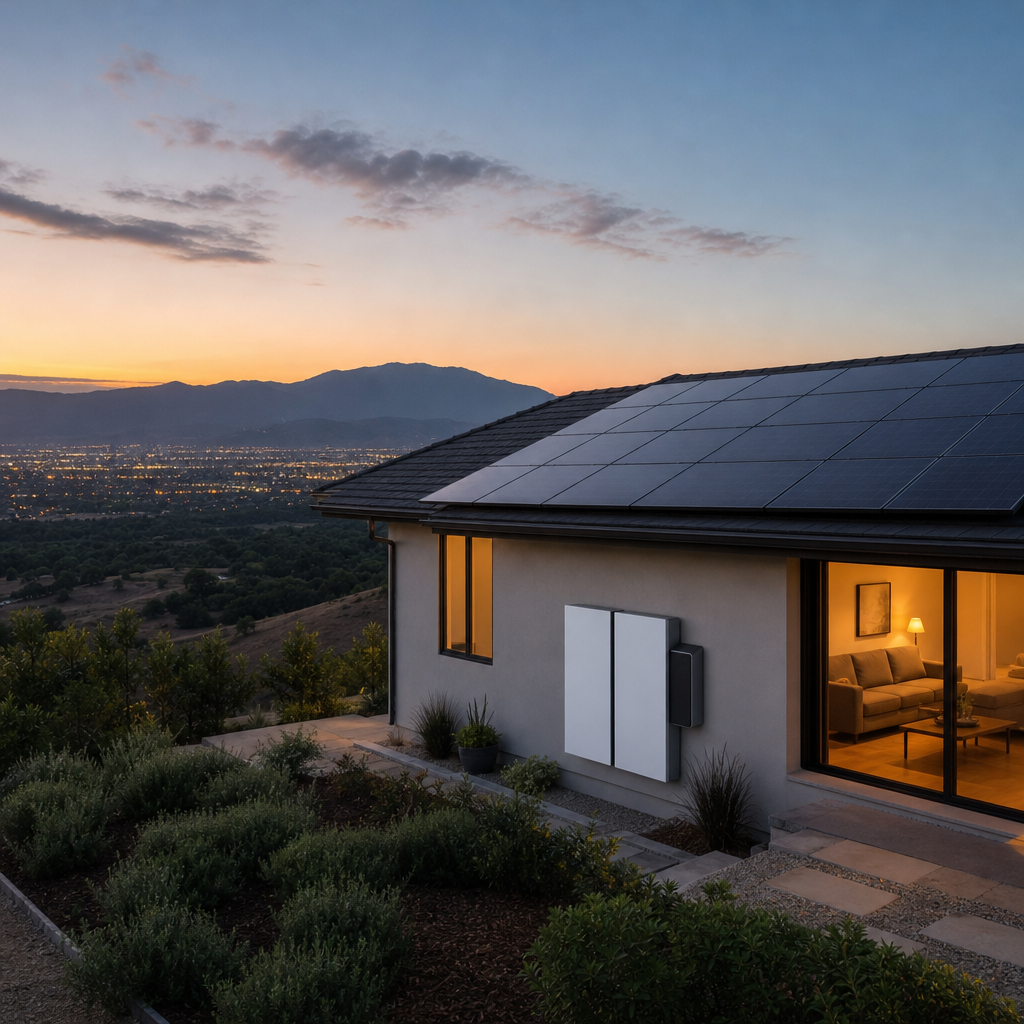
Rooftop solar remains the foundation of residential clean energy. A properly sized system converts sunlight into electricity that offsets your utility consumption, often eliminating the bulk of a monthly bill. Modern panels are dramatically more efficient than those installed even a decade ago, meaning homeowners need less roof space to generate meaningful power.
Key factors that determine solar performance include:
According to the U.S. Department of Energy, a well-designed residential solar system can offset 70-100% of a typical home's electricity usage, depending on roof conditions and energy consumption patterns. Companies like www.everysun.com specialize in designing systems specifically for California's climate and roof types, using high-efficiency, US-made panels installed to rigorous Swedish safety standards — an approach that prioritizes both performance and long-term durability.
Solar panels alone only generate power while the sun is shining. Battery storage closes that gap, storing excess daytime generation for use at night, during outages, or during peak utility pricing periods. This is especially relevant in California, where time-of-use rate structures penalize electricity consumption during early evening hours — precisely when solar production drops off but household demand rises.
Battery storage delivers several practical benefits:
The California Energy Commission and similar state bodies have actively promoted battery adoption, and many homeowners now treat storage as a near-default addition to a new solar installation rather than an optional upgrade.
California's net metering framework has evolved significantly, and the current structure (NEM 3.0) rewards homeowners differently than earlier versions did. Under current rules, exported solar energy is compensated at a lower rate than under the original net metering program, which has shifted the economics in favor of self-consumption — using more of the power you generate rather than selling it back to the grid.
This shift is a major reason battery storage has become more attractive: instead of exporting midday surplus solar at a modest credit, homeowners can store it and use it during evening peak hours, avoiding the need to buy expensive grid electricity altogether. Understanding your utility's current export rates, and designing your system around them, is essential to maximizing savings. The California Public Utilities Commission publishes updated guidance on net metering rules that every homeowner should review before finalizing a system design.
Clean energy isn't only about generation — reducing demand amplifies the value of every solar panel and battery you install. Pairing solar with efficiency upgrades allows homeowners to shrink system size requirements and maximize long-term savings.
High-impact upgrades include:
The ENERGY STAR program maintains certification standards and rebate information for many of these upgrades, making it easier to identify equipment that delivers genuine efficiency gains rather than marginal improvements.
As EV adoption accelerates across California, many homeowners are integrating EV charging directly into their clean energy systems. Charging an electric vehicle from solar power — rather than the grid — effectively extends the savings of a solar investment from the home itself to transportation costs.
Key considerations for EV-solar integration include:
| Consideration | Why It Matters |
|---|---|
| Charger type (Level 1 vs Level 2) | Level 2 chargers replenish batteries far faster, better matching daytime solar production |
| System sizing | Adding an EV typically requires additional panel capacity to offset charging load |
| Charging schedule | Charging during solar production hours maximizes self-consumption |
| Battery storage | Allows EV charging from stored solar energy even after sunset |
Homeowners planning an EV purchase in the near future should factor that future load into their solar system design now, since expanding a system later is often less efficient than sizing correctly from the start.
Not every homeowner has a roof suited to solar — shading, structural limitations, or renter status can all be barriers. Community solar programs allow households to subscribe to a share of a larger, off-site solar installation and receive bill credits proportional to their share, without installing anything on their own property.
While community solar typically delivers smaller savings than a dedicated rooftop system, it provides a meaningful entry point for homeowners who cannot pursue direct installation. The U.S. Department of Energy's community solar resources outline how these programs function and where they're available.
Cost remains the most common barrier to adopting clean energy, which is why financing structure matters as much as hardware selection. Homeowners today have more flexible options than in previous years, and understanding the tradeoffs between them is essential to making a sound financial decision.
| Financing Option | Upfront Cost | Ownership | Long-Term Savings Potential |
|---|---|---|---|
| Cash purchase | High | Full ownership immediately | Highest — no interest costs |
| Solar loan | Low to none | Full ownership once paid off | High — savings minus loan interest |
| Solar lease/PPA | None | No ownership; pay for power produced | Lower — ongoing payments reduce savings |
| Flexible payment plans | Low to moderate | Ownership-oriented options available | Moderate to high depending on terms |
Ownership-based options — cash or loan — generally deliver the greatest long-term value because homeowners capture the full benefit of eliminated utility bills and available incentives, including the federal solar tax credit. The IRS guidance on the Residential Clean Energy Credit outlines current eligibility rules, which homeowners should review with a tax professional.
www.everysun.com offers flexible payment options specifically designed to make ownership achievable for more households, pairing that flexibility with a 20-year installation guarantee and 25-year product warranties — protections that matter over a system's multi-decade lifespan.
No single solution works in isolation for most homeowners. The strongest outcomes typically come from combining several of these approaches based on your home's specific characteristics, budget, and energy goals.
| Solution | Best For | Typical Payback Period |
|---|---|---|
| Rooftop solar panels | Homes with good sun exposure and roof space | 6-10 years |
| Battery storage | Outage-prone areas, time-of-use rate customers | Adds to solar payback, but reduces peak-rate costs |
| Efficiency upgrades | Any home, especially older construction | 2-7 years depending on upgrade |
| EV charging integration | Current or future EV owners | Varies with driving habits |
| Community solar | Renters or unsuitable roofs | No upfront cost, modest savings |
| Flexible financing | Budget-conscious homeowners | Immediate bill reduction, longer full payoff |
Choosing the right combination starts with an honest assessment of your home's energy profile. A few practical steps can guide that process:
A qualified local installer can model these variables precisely, producing a system design and financial projection specific to your property rather than a generic estimate. This is also the point where guarantees and warranties become critical — a 25-year panel warranty is only meaningful if the installer backing it has the track record and installation standards to make that warranty durable.
Even well-intentioned homeowners sometimes undermine their own savings through avoidable mistakes:
Avoiding these pitfalls often comes down to working with an experienced, transparent installer who explains tradeoffs clearly rather than pushing a one-size-fits-all package.
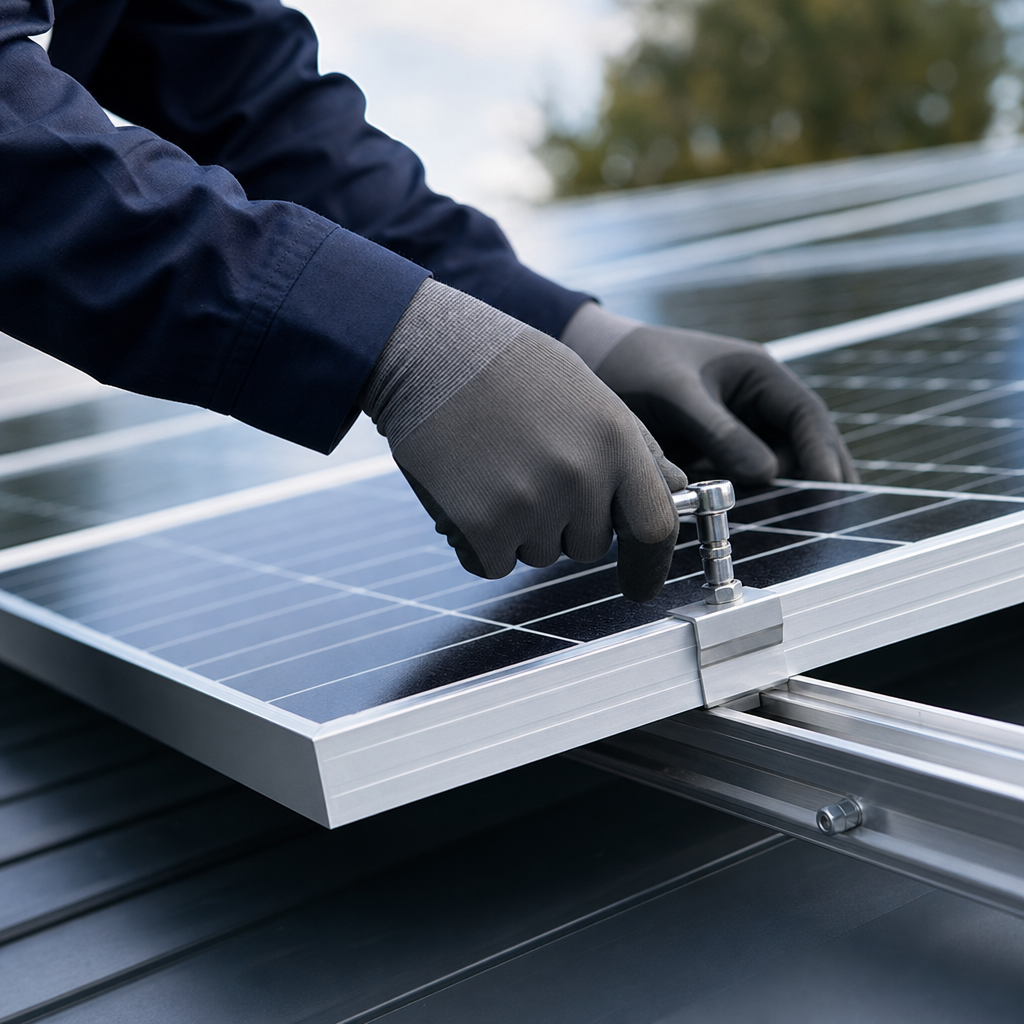
Hardware specifications get most of the attention in clean energy marketing, but installation quality is just as important to a system's lifetime performance. Poor mounting, inadequate wiring, or inexperienced electrical work can lead to reduced output, safety risks, and costly repairs — problems that often don't surface until years after installation.
This is why standards matter. www.everysun.com combines US-made high-efficiency solar panels with installation practices built on Swedish safety standards, a combination designed to ensure that systems perform reliably not just in year one, but across their full 25-year warrantied lifespan. Backing that with a 20-year installation guarantee gives homeowners a level of assurance that goes beyond the equipment itself.
Clean energy for homeowners is no longer a single decision about whether to install solar panels — it's a broader set of choices spanning generation, storage, efficiency, transportation, and financing. California homeowners who evaluate these options together, rather than in isolation, tend to achieve the greatest reduction in utility costs and the most reliable power during grid disruptions.
Whether you're just beginning to research solar panels or ready to design a complete system with battery backup, working with an experienced local team makes the process far more straightforward. www.everysun.com helps California homeowners navigate every step of that journey, from system design through installation, backed by flexible payment options, a 20-year installation guarantee, and 25-year product warranties — making reliable, affordable clean energy a realistic goal for your household rather than a distant one.
© 2025 Everysun Inc. All Rights Reserved.


Get Your Free Solar Quote
Request your free quote and see how solar can work for your home and budget