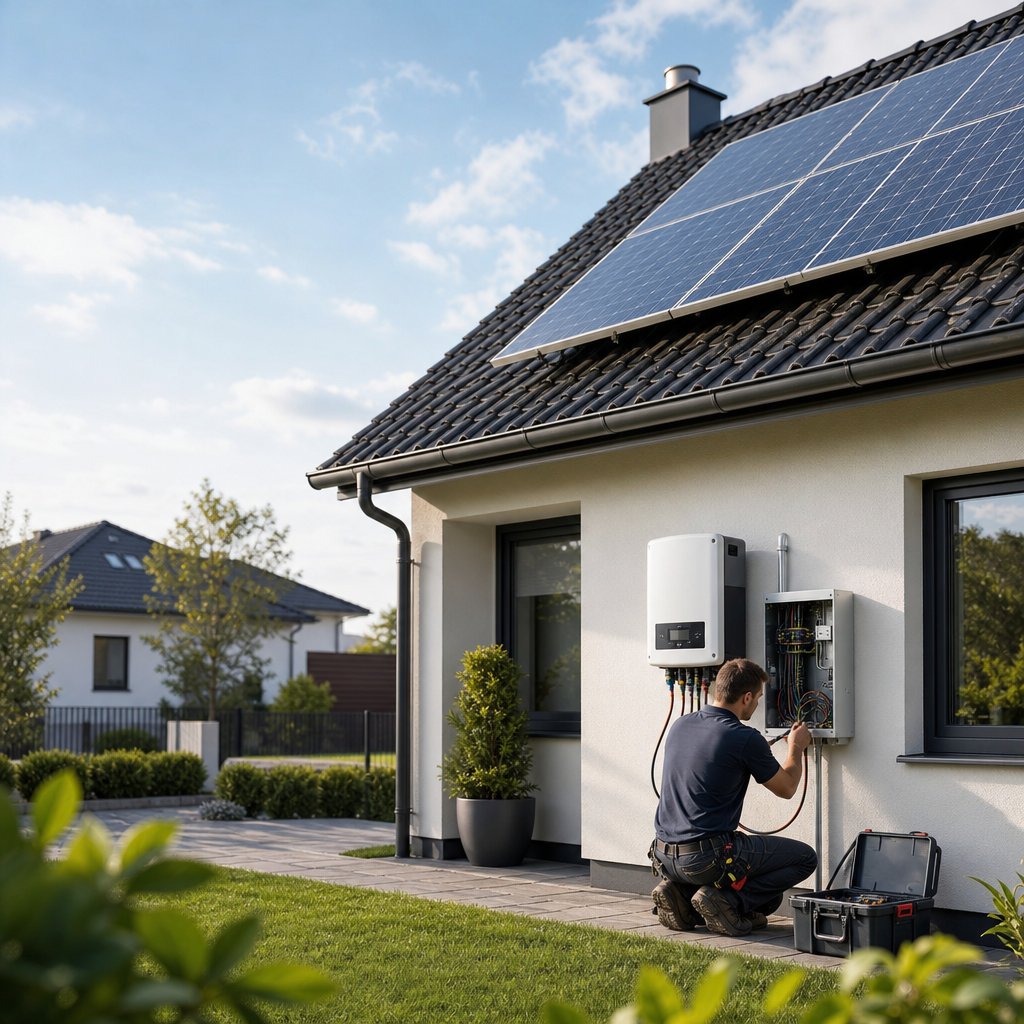
How to Claim Every California Solar Incentive for Homeowners in 2026
September 5, 2026
|
California
California homeowners exploring solar in 2026 face a landscape that looks very different from just a few years ago. Net metering rules have changed, utility rates keep climbing, and a patchwork of federal, state, and local programs can make it hard to know which incentives actually apply to your home. Understanding how these programs work together is the difference between a solar system that pays for itself in six years and one that takes twice as long.
This guide breaks down every major California solar incentive for homeowners available today, explains how to qualify, and shows how pairing solar with battery storage can maximize your long-term savings.
California has some of the highest electricity rates in the country, with utilities like PG&E, SCE, and SDG&E regularly raising prices faster than inflation. According to the U.S. Energy Information Administration, California residential electricity rates are now well above the national average, making solar one of the few tools homeowners have to control a major monthly expense.
At the same time, the state has shifted its incentive strategy. The old Net Energy Metering (NEM 2.0) program, which paid solar owners close to retail rate for excess energy exported to the grid, has been replaced by NEM 3.0. This change reduces the value of exported solar energy but increases the financial case for pairing panels with a battery. Incentives today are designed to reward homeowners who store and use their own power rather than simply sending it back to the grid.
The single largest incentive available to California homeowners is the federal Residential Clean Energy Credit, commonly called the solar Investment Tax Credit (ITC). As of 2026, homeowners who purchase (not lease) a solar and battery storage system can claim 30% of total system costs as a direct credit against their federal tax liability.
Key facts about the federal credit:
For full program details, homeowners should review the official guidance from the U.S. Department of Energy and consult a tax professional to confirm eligibility, since individual tax situations vary.
While California does not offer a separate statewide solar tax credit, it runs several targeted programs that reduce upfront costs or reward specific equipment choices, especially battery storage.
SGIP is California's flagship rebate for battery storage. Administered through the California Public Utilities Commission, it provides rebates per kilowatt-hour of installed battery capacity. Homeowners in high fire-threat districts or those who rely on medical equipment may qualify for enhanced "equity" rebates that cover a significant share of battery costs.
California law excludes the added home value from a solar installation from being reassessed for property tax purposes through 2027. This means installing solar will not trigger a property tax increase, even though it typically boosts resale value.
NEM 3.0 changed how exported solar energy is credited. Instead of near-retail-rate credits, exports are now valued closer to wholesale rates, which are significantly lower. This makes battery storage far more valuable, since homeowners can store excess daytime solar production and use it during expensive evening peak hours instead of exporting it for minimal credit.
Beyond state and federal programs, many California cities and utilities offer their own incentives. These vary widely by location and can change from year to year, so homeowners should check current offerings before finalizing a system design.
| Program Type | Typical Benefit | Administered By |
|---|---|---|
| Federal Solar Tax Credit | 30% of system cost | IRS / Federal Government |
| SGIP Battery Rebate | Varies, higher for equity households | CPUC |
| Property Tax Exclusion | No reassessment on added solar value | California State Board of Equalization |
| Local Utility Rebates | Varies by provider | Municipal utilities (e.g., LADWP, SMUD) |
| PACE Financing | Low-interest, property-tax-based financing | County/City PACE Programs |
Homeowners served by publicly owned utilities, such as the Sacramento Municipal Utility District, sometimes have access to additional rebates not available to customers of investor-owned utilities like PG&E or SCE. It pays to check directly with your local utility provider.
Many homeowners ask why their neighbor's older solar system seems to save more money than a new one would. The answer almost always comes down to which net metering program they were grandfathered into.
| Feature | NEM 2.0 (Legacy) | NEM 3.0 (Current) |
|---|---|---|
| Export credit rate | Near retail rate | Wholesale-based, ~75% lower on average |
| Battery storage value | Optional | Strongly recommended |
| Payback period (avg.) | 5-7 years | 7-9 years without battery, 5-7 with battery |
| Grandfathering period | 20 years from interconnection | 20 years from interconnection |
| Best paired with | Standard solar-only system | Solar + battery storage |
This shift is precisely why more California homeowners are now installing battery storage alongside solar rather than treating it as an optional add-on. Systems designed for NEM 3.0 conditions prioritize self-consumption, using stored solar energy during the evening rate peak instead of relying on grid exports.
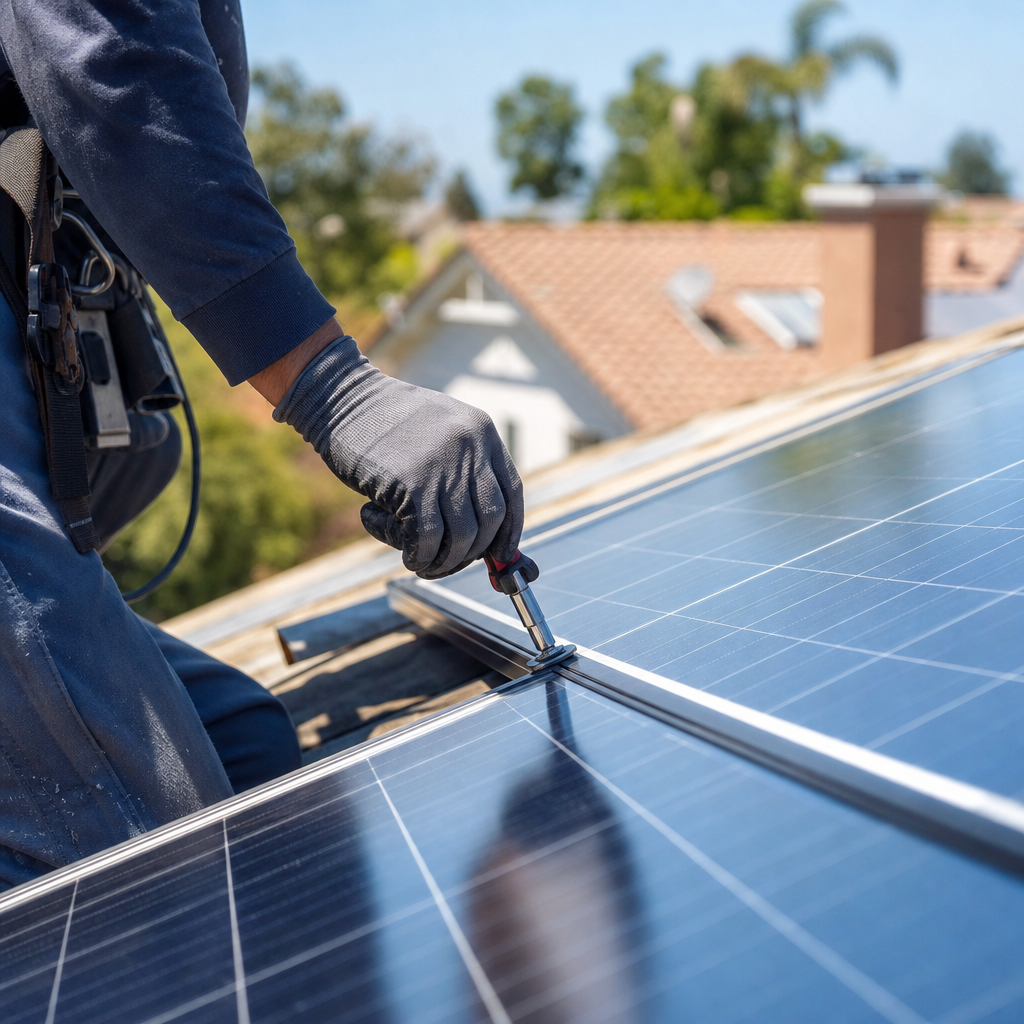
Battery storage has moved from a "nice to have" to a central part of a well-designed California solar system. Under time-of-use rate plans, electricity is most expensive in the early evening, exactly when solar panels are producing the least. A battery lets homeowners store midday solar production and deploy it during those expensive hours instead of buying power back from the grid.
Battery storage also qualifies for its own incentives:
Homeowners considering a system with battery storage can review options and configurations through www.everysun.com, which designs solar-plus-storage systems specifically calibrated for NEM 3.0 conditions and California's wildfire-related power shutoff risks.
Because most incentives require homeowners to own their system, financing structure matters. Leases and power purchase agreements (PPAs) transfer the tax credit to the leasing company, not the homeowner, which significantly reduces the homeowner's long-term savings.
Common ownership-based financing paths include:
When comparing offers, homeowners should ask every installer directly whether a proposal is a lease, PPA, or loan, since only loan and cash structures allow the homeowner to personally claim the federal tax credit. Everysun offers flexible payment options designed specifically to help homeowners retain ownership and capture all available incentives, backed by a 20-year installation guarantee and 25-year product warranties for long-term peace of mind.
Successfully stacking incentives requires a specific sequence. Here is the general process homeowners should follow:
Working with an experienced installer significantly reduces the risk of paperwork errors that can delay or disqualify a rebate claim. Companies familiar with California's SGIP and NEM 3.0 requirements, such as www.everysun.com, typically handle much of this documentation as part of the installation process.
Even well-intentioned homeowners lose out on incentive value due to avoidable mistakes:
Avoiding these pitfalls often comes down to working with an installer who understands both the technical and administrative sides of California solar incentives, not just panel installation.
Not every solar proposal is designed to maximize available incentives. An incentive-ready system typically includes:

Everysun designs systems around these criteria from the start, combining US-made high-efficiency panels with Swedish safety and installation standards. This approach is built specifically to help California homeowners capture the full range of available incentives while ensuring the system performs reliably for decades, backed by a 20-year installation guarantee and 25-year product warranties.
Do I qualify for California solar incentives if I rent my home? Homeowners, not renters, are generally eligible for these programs, since incentives are tied to system ownership and property improvements. Renters interested in solar should discuss options with their landlord or explore community solar programs where available.
Can I combine the federal tax credit with SGIP battery rebates? Yes. These programs are administered separately and can be combined, provided the homeowner owns the system and meets each program's specific requirements.
Will incentives disappear before I can use them? The federal tax credit is currently authorized at 30% with no scheduled reduction through the near term, but SGIP funding is allocated in limited blocks and can be exhausted before the program's annual cycle ends. Acting sooner reduces the risk of missing a rebate window.
Does NEM 3.0 mean solar is no longer worth it? No. It means the value proposition has shifted from exporting power to storing and self-consuming it. A properly sized solar-plus-battery system can still deliver a strong return, often within 5-7 years, according to industry payback estimates from the Solar Energy Industries Association.
California's solar incentive landscape rewards homeowners who plan carefully, choose ownership-based financing, and pair panels with properly sized battery storage. The federal tax credit remains the largest single benefit available, but stacking it with SGIP rebates, property tax exclusions, and local utility programs can meaningfully shorten the payback period on a new system.
The homeowners who get the most value are those who work with installers who understand not just the equipment, but the full incentive process from start to finish. Everysun combines high-efficiency, US-made solar panels with rigorous Swedish safety and installation standards, flexible payment options that preserve incentive eligibility, and industry-leading warranties, giving California homeowners a clear, well-documented path to lower electricity bills and dependable, long-term clean energy.
© 2025 Everysun Inc. All Rights Reserved.


Get Your Free Solar Quote
Request your free quote and see how solar can work for your home and budget