Solar Panel Installers California: Swedish-Engineered Quality vs. Standard US Installation Practices
September 7, 2026
|
California
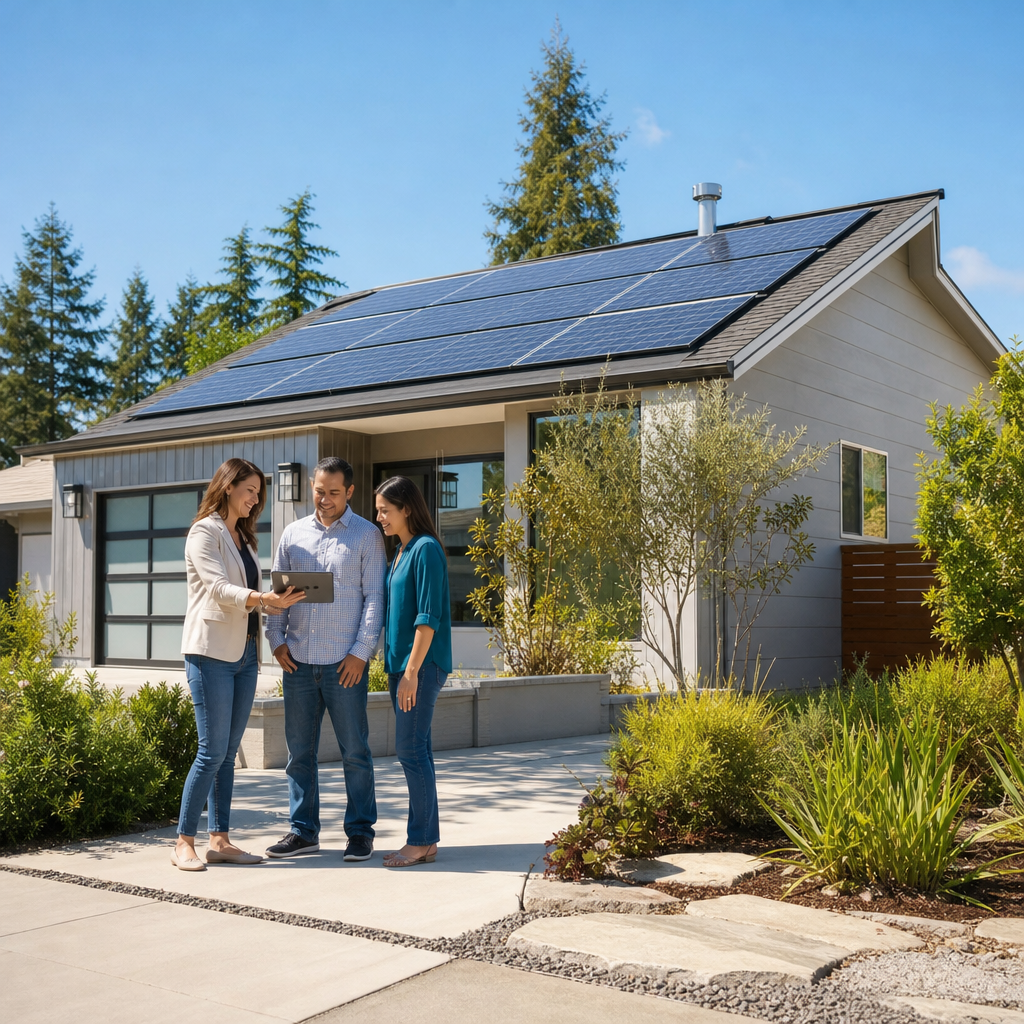
Choosing among solar panel installers California homeowners can rely on is rarely as simple as picking the lowest bid. Behind every quote lies a set of decisions about equipment quality, installation standards, warranty coverage, and long-term support that determine whether a system delivers 25 years of reliable savings or becomes a costly headache. With California's electricity rates continuing to climb and utility rate structures like NEM 3.0 reshaping the economics of going solar, the installer you choose matters just as much as the panels themselves.
This article compares the standard approach many installers take against a higher-standard model built on Swedish safety engineering and US-made components — the approach used by companies like Everysun — so you can make an informed decision for your home.
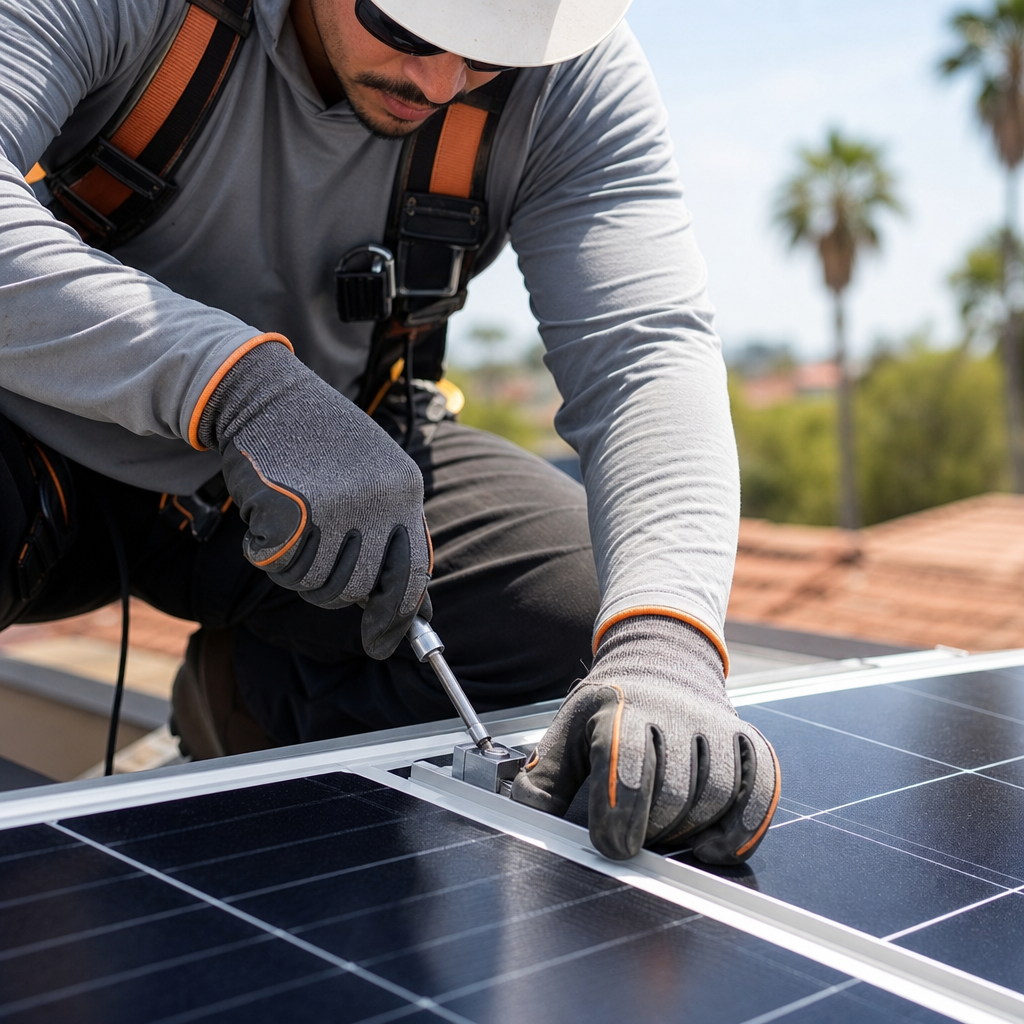
Homeowners often spend weeks researching panel efficiency ratings and battery capacity, yet the installer's workmanship is frequently the single biggest factor in a system's long-term performance. A poorly mounted array, improperly torqued electrical connections, or rushed permitting can lead to leaks, fire risk, or reduced energy output — regardless of how good the panels are on paper.
According to the U.S. Department of Energy, installation quality directly affects system longevity, safety, and the ability to claim warranty coverage if something goes wrong. That's why due diligence on installer standards, certifications, and guarantees should come before comparing sticker prices.
Key installer differentiators to evaluate include:
Most solar companies operating in California follow standard National Electrical Code requirements and local building department rules. This baseline is legally required, but "meeting code" and "exceeding code" are very different standards of care.
Typical practices among conventional installers include:
None of this is necessarily unsafe, but it represents the minimum viable standard rather than a best-practice approach. Homeowners who don't ask detailed questions can end up with a system installed by a rotating cast of subcontractors with inconsistent training.
Sweden and the broader Nordic region are known globally for rigorous electrical and building safety codes, often exceeding U.S. baseline requirements in areas like grounding redundancy, fire-rated roof penetration sealing, and long-term structural load testing. Organizations such as the International Energy Agency have highlighted Northern European markets as leaders in solar quality assurance frameworks.
Everysun applies these Swedish-influenced engineering standards to every California installation, which means:
This approach is paired with high-efficiency, US-made solar panels, combining domestic manufacturing quality with a stricter-than-average installation discipline. The result is a system built to perform reliably through California's heat, wildfire smoke exposure, and occasional seismic activity.
The table below illustrates how a Swedish-standard installation model compares with typical industry practice across the criteria homeowners care about most.
| Criteria | Standard Industry Practice | Swedish-Standard Approach (Everysun) |
|---|---|---|
| Workmanship guarantee | 10-12 years | 20 years |
| Panel origin | Mixed/imported, price-driven sourcing | US-made high-efficiency panels |
| Installation crews | Often subcontracted | In-house certified teams |
| Product warranty | 25 years (manufacturer-only) | 25 years, backed by installer support |
| Roof penetration standards | Meets minimum code | Exceeds code with reinforced sealing |
| Electrical safety margin | Minimum NEC compliance | Enhanced redundancy beyond code |
This kind of comparison matters because a 20-year installation guarantee, for example, protects you not just against manufacturing defects but against errors in the install itself — mounting, wiring, flashing — which is where many real-world solar problems originate.
A common misconception is that higher installation standards automatically mean a higher price tag. In reality, the total cost of ownership often favors better-built systems once you account for avoided repair costs, reduced downtime, and preserved warranty eligibility.
| Cost Factor | Budget Installer | Swedish-Standard Installer |
|---|---|---|
| Average upfront system cost (6kW) | $14,000 - $18,000 | $16,000 - $20,000 |
| Estimated 20-year maintenance/repair costs | $1,500 - $4,000 | $200 - $800 |
| Risk of voided warranty due to install error | Moderate | Low |
| Financing flexibility | Varies by dealer | Multiple flexible payment options |
Data from the National Renewable Energy Laboratory shows that installation labor and soft costs, not just hardware, are major contributors to total system price — reinforcing that paying for installer quality is often money well spent rather than an unnecessary premium.
Everysun's flexible payment options, including loan and lease structures, are designed to make this higher standard of installation accessible without requiring full cash payment upfront. You can review current program details directly at www.everysun.com.
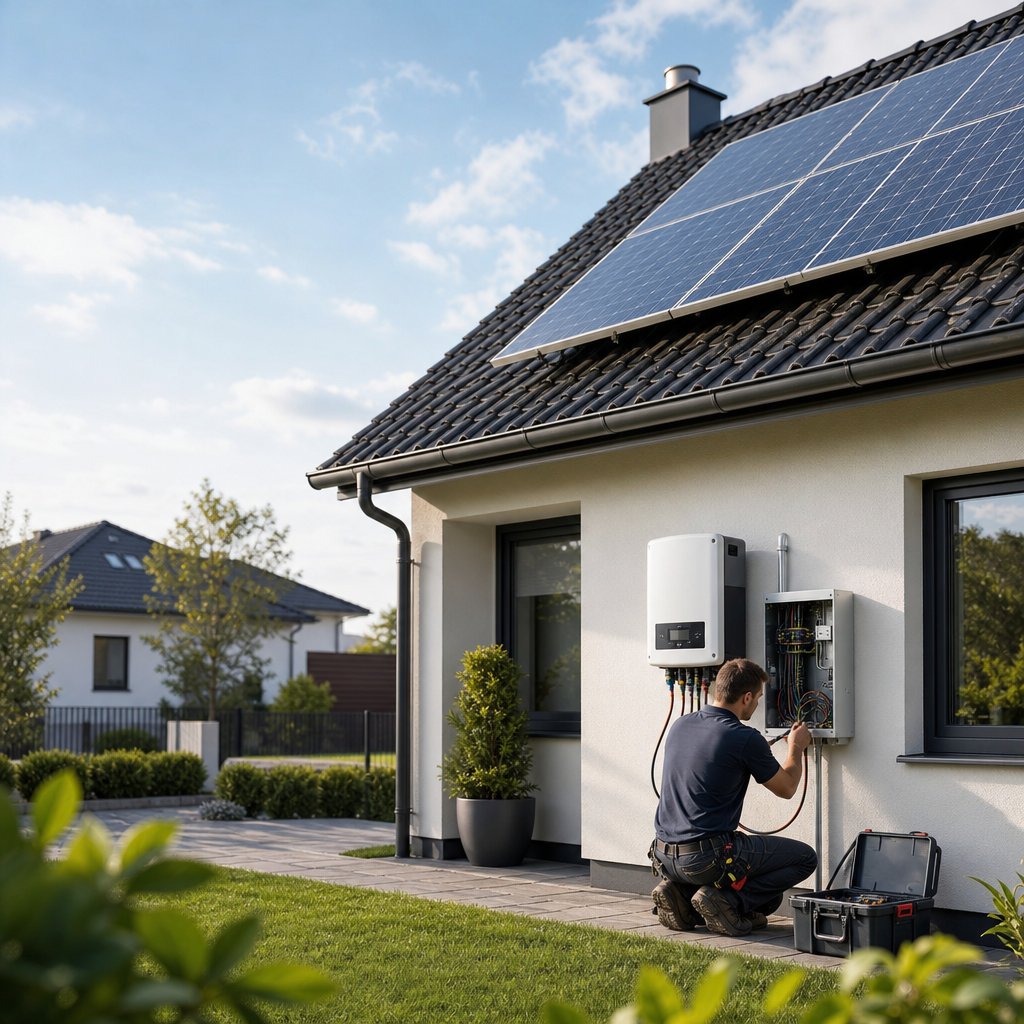
As more California homeowners add battery storage to maximize self-consumption under NEM 3.0's less generous export rates, installation quality becomes even more critical. Batteries involve higher-voltage DC wiring, thermal management, and integration with home electrical panels — all areas where installer error can create real safety risks.
The California Public Utilities Commission has noted the shift toward battery-paired solar systems as a direct consequence of updated net metering rules, making proper battery installation a growing priority statewide.
Best practices for battery installation include:
Everysun's approach to battery storage follows the same Swedish-influenced safety discipline applied to panel installation, ensuring that both halves of a solar-plus-storage system are held to a consistent standard rather than treating the battery as an afterthought.
Warranty terms are one of the most overlooked — and most important — parts of any solar contract. A strong warranty is only as good as the company standing behind it, which is why installer longevity and reputation matter alongside the paper terms themselves.
| Warranty Type | What It Covers | Everysun's Term |
|---|---|---|
| Product warranty | Manufacturing defects in panels/inverters | 25 years |
| Installation guarantee | Workmanship, roof penetration, mounting | 20 years |
| Performance warranty | Guaranteed minimum power output over time | Aligned with 25-year product warranty |
| Battery warranty | Capacity retention and defect coverage | Manufacturer-backed, typically 10+ years |
Homeowners should always request warranty documentation in writing before signing a contract, and confirm whether the installer itself — not just the panel manufacturer — offers a workmanship guarantee. A manufacturer warranty on the panel is meaningless if the mounting hardware or wiring installed by the contractor fails first.
Before choosing among solar panel installers California offers, homeowners should ask direct questions that reveal the difference between a corner-cutting company and one built for the long term:
Asking these questions upfront can save homeowners from the most common regrets reported after a poor installation experience: leaks, underperformance, and unresponsive customer service when something eventually needs attention.
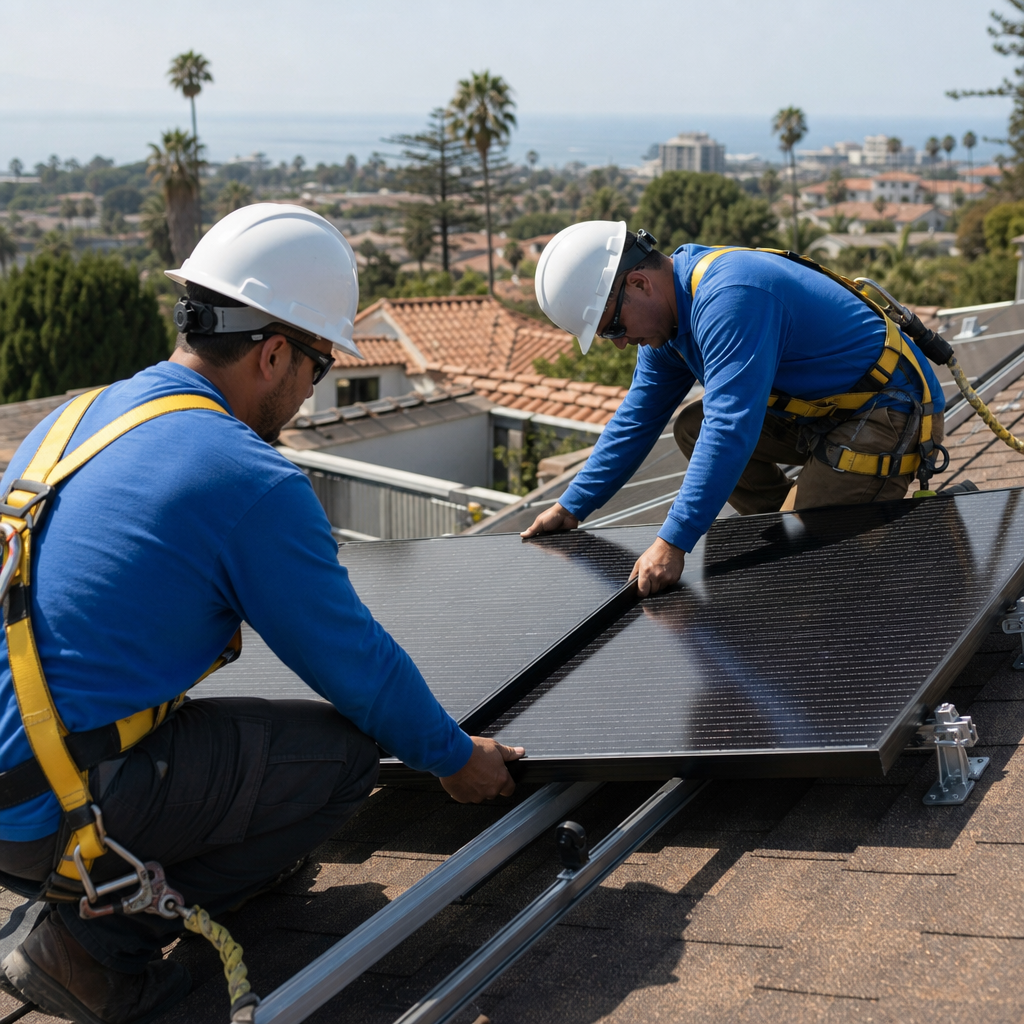
California's permitting environment, though improved by statewide efforts like the California Solar & Storage Association's streamlined permitting initiatives, still varies significantly by city and utility territory. Installers with deep local experience navigate this more smoothly than out-of-state companies unfamiliar with specific jurisdictions like Los Angeles County, San Diego Gas & Electric territory, or Pacific Gas & Electric's interconnection queue.
A high-standard installer will:
Delays and errors at the permitting stage are among the most common causes of installation timeline slippage, and they disproportionately affect installers without established local relationships.
Ultimately, comparing solar panel installers California-wide comes down to weighing upfront price against long-term reliability, safety, and warranty strength. A Swedish-standard approach — combining rigorous safety engineering with US-made high-efficiency panels — represents a meaningfully different tier of quality compared to baseline industry practice, and the data suggests this difference pays for itself through reduced repair costs and stronger warranty protection over a system's 25-year lifespan.
Homeowners evaluating quotes should resist the temptation to compare only the bottom-line price and instead request specifics on workmanship guarantees, crew employment status, panel origin, and battery integration standards. These details reveal far more about a system's true long-term value than the initial invoice does.
Everysun brings this higher installation standard directly to California homeowners, pairing 20-year installation guarantees and 25-year product warranties with flexible payment options that make quality solar accessible rather than exclusive. For homeowners ready to move beyond guesswork and compare a rigorously engineered system for their own home, www.everysun.com offers a straightforward next step toward reliable, long-term energy independence.
© 2025 Everysun Inc. All Rights Reserved.


Get Your Free Solar Quote
Request your free quote and see how solar can work for your home and budget