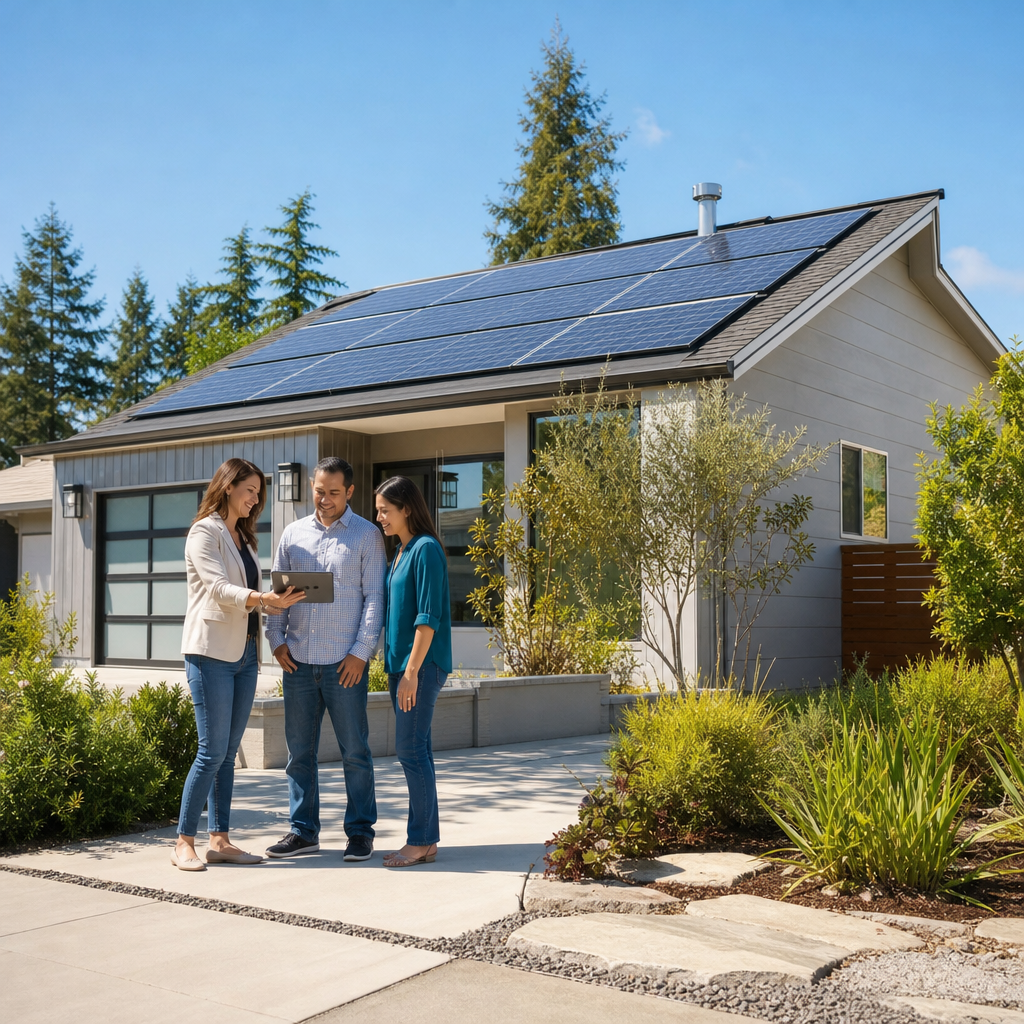
30 Panels, One Inverter, Zero Bills: How Does Solar Power Work for Homes in California
September 8, 2026
|
California
Understanding how does solar power work for homes is the first step toward cutting your electricity bill and gaining energy independence. For California homeowners facing some of the highest utility rates in the country, solar isn't just a trend — it's a practical financial decision backed by decades of proven technology. This article breaks down exactly what happens from the moment sunlight hits your roof to the moment your appliances turn on, and explains how modern battery storage is changing the economics of home solar even further.
Solar power for homes relies on the photovoltaic effect, a phenomenon discovered in the 19th century and refined into commercial technology over the past 50 years. Here's the simplified process:
This entire process happens silently and instantaneously, with no moving parts in the panels themselves, which is part of why solar systems are so durable and low-maintenance. According to the U.S. Department of Energy, most residential systems can operate efficiently for 25 years or more with minimal degradation.
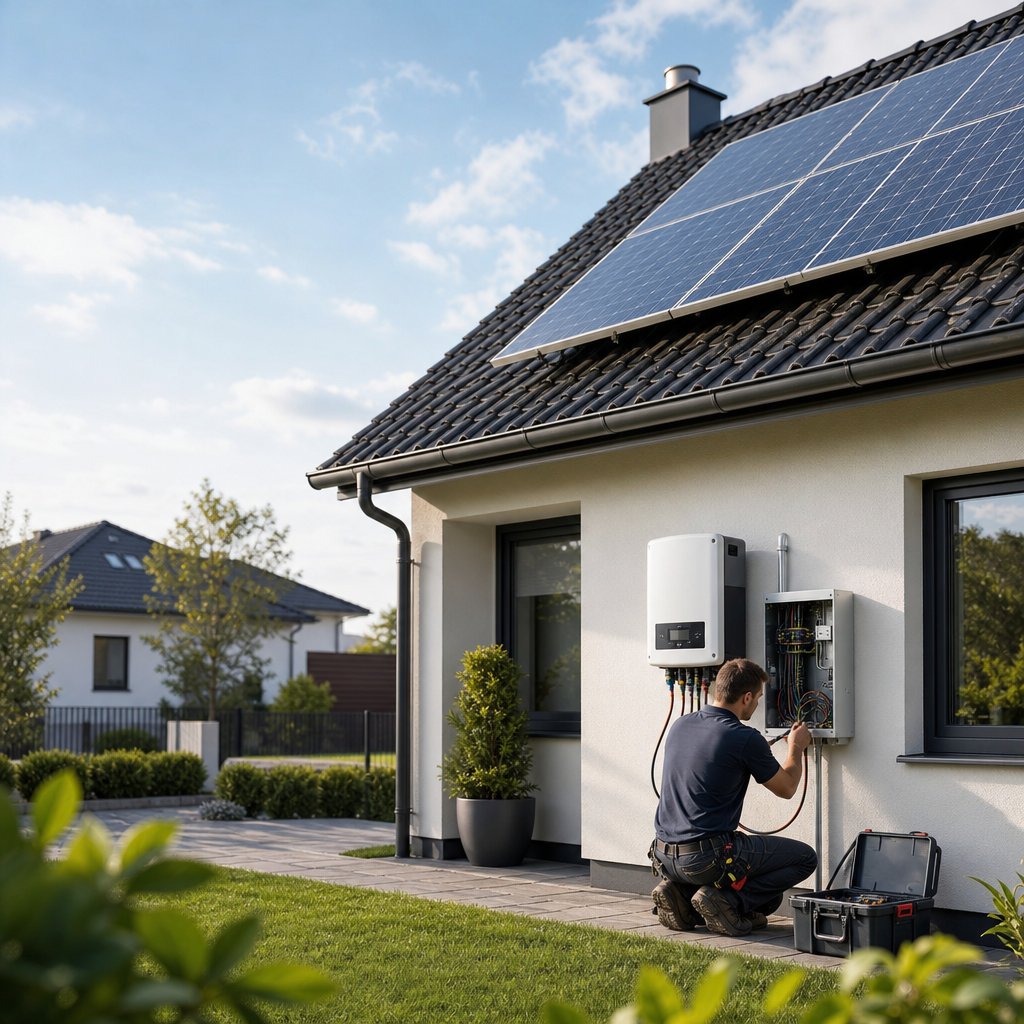
A residential solar installation is more than just panels on a roof. Each component plays a specific role in converting and delivering usable electricity.
At www.everysun.com, every system is engineered using US-made, high-efficiency panels paired with Swedish safety and installation standards, ensuring each component works together reliably for decades, not just years.
One of the most important decisions homeowners face is whether to install a grid-tied system, a battery-backed system, or a hybrid of the two. Each option affects how your home behaves during peak hours, nighttime, and power outages.
| System Type | How It Works | Best For | Outage Protection |
|---|---|---|---|
| Grid-Tied (No Battery) | Excess solar exported to grid; power drawn from grid at night | Lower upfront cost, simpler installation | No |
| Battery-Backed (Hybrid) | Excess solar stored in home battery first, then exported | Homeowners wanting savings + resilience | Yes, for essential circuits or whole home |
| Off-Grid | Fully independent from utility grid | Remote properties without grid access | Yes, fully self-reliant |
Most California homeowners choose a battery-backed hybrid system today, largely because of changes to the state's net metering policies. Under the current NEM 3.0 structure, the value of exporting excess solar to the grid has dropped significantly compared to previous years, making it more financially attractive to store and self-consume solar energy rather than sell it back at reduced rates. The California Public Utilities Commission provides detailed documentation on how these export rates are calculated.
Battery storage used to be considered a luxury add-on. In 2026, it's increasingly viewed as a core part of a smart solar strategy for three main reasons:
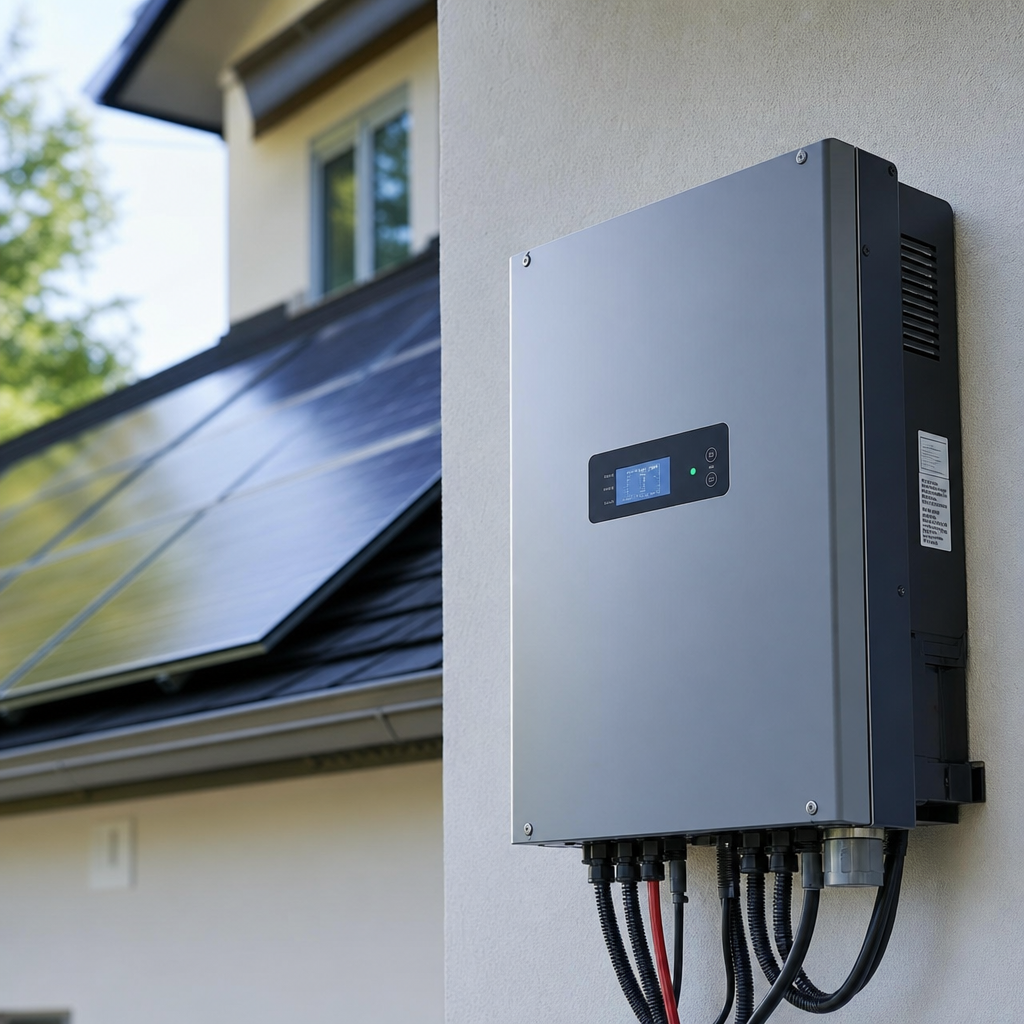
A well-sized battery system can power essential circuits — refrigeration, lighting, medical equipment, and internet routers — for hours or even days during an outage, depending on battery capacity and household energy use.
The output of a solar system depends on several factors: roof orientation, shading, panel efficiency, local climate, and system size. On average, California homes receive some of the best solar irradiance in the country, according to data from the National Renewable Energy Laboratory, making the state one of the most productive regions in the US for residential solar.
Here's a general estimate of system sizes and expected annual production for a typical California home:
| System Size (kW) | Estimated Panels Needed | Estimated Annual Production (kWh) | Typical Household Fit |
|---|---|---|---|
| 4 kW | 10-11 panels | 6,000-7,000 kWh | Small home, low usage |
| 6 kW | 14-16 panels | 9,000-10,500 kWh | Average single-family home |
| 8 kW | 19-21 panels | 12,000-14,000 kWh | Larger home or EV owner |
| 10 kW | 24-26 panels | 15,000-17,500 kWh | High-usage household, pool, EV |
These figures assume standard 400W panels and average California sun exposure. Actual production varies by region — homes in sunnier inland areas often outperform coastal homes with more marine layer cloud cover.
Understanding how does solar power work for homes also means understanding the installation process itself. Here's what homeowners can typically expect:
The entire process, from signed contract to full activation, typically takes between four and twelve weeks depending on your local permitting office and utility company processing times. Companies like www.everysun.com manage this entire pipeline for homeowners, reducing delays and ensuring every inspection and interconnection step is handled correctly the first time.
Not all solar panels are created equal. The type of panel installed on your roof affects efficiency, cost, and lifespan.
| Panel Type | Efficiency Range | Typical Lifespan | Cost Level | Best Use Case |
|---|---|---|---|---|
| Monocrystalline | 19-23% | 25-30+ years | Higher | Most residential rooftops, limited space |
| Polycrystalline | 15-18% | 20-25 years | Lower | Budget-conscious installations |
| Thin-Film | 10-13% | 15-20 years | Lowest | Large open areas, commercial use |
For most California homes, monocrystalline panels offer the best balance of efficiency and long-term durability, especially where roof space is limited and homeowners want maximum output per square foot. High-efficiency monocrystalline panels also tend to perform better in partial shading conditions, which matters in neighborhoods with mature trees or nearby structures.
Cost remains the top concern for homeowners exploring solar. Fortunately, several financing paths exist to make going solar accessible without requiring a large upfront cash payment.
Federal incentives remain a major factor in solar affordability. The federal Residential Clean Energy Credit currently allows homeowners to deduct a significant percentage of total system costs from their federal taxes, though eligibility rules and percentages can change, so consulting current IRS guidance is essential. Everysun offers flexible payment options designed specifically to help California homeowners choose the financing path that fits their budget while still capturing available tax incentives.
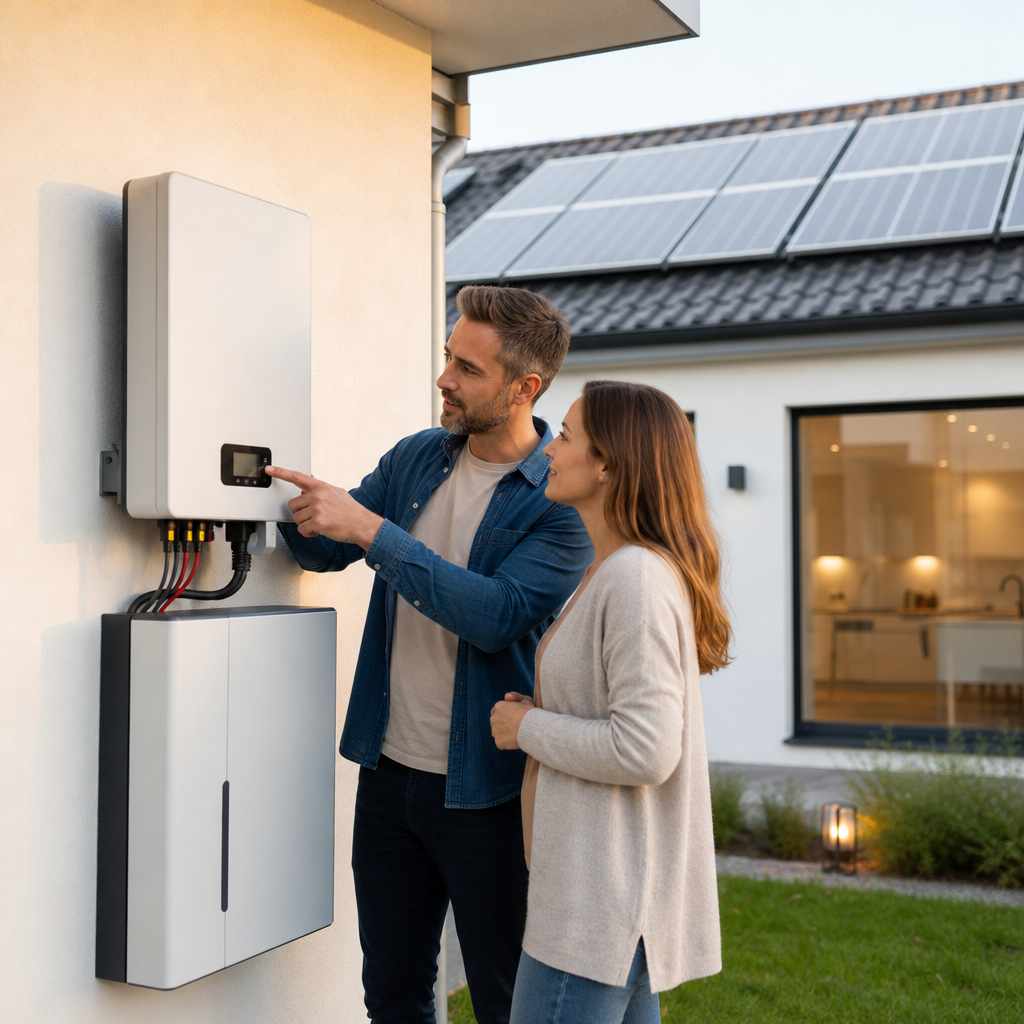
One of the most appealing aspects of solar technology is how little maintenance it requires. Most systems need only occasional cleaning and a periodic visual inspection. However, warranty coverage varies widely between installers, and this is where many homeowners get caught off guard by fine print.
Key warranty categories to understand:
Everysun stands apart from many competitors by offering a 20-year installation guarantee alongside 25-year product warranties, giving homeowners confidence that both the equipment and the craftsmanship behind their system are protected for the long haul. This combination reflects the Swedish safety standards Everysun applies to every project, standards generally considered more rigorous than baseline US residential electrical codes according to comparative reviews from the International Energy Agency.
While cost savings drive most solar decisions, the environmental impact is substantial. A typical 6kW residential solar system can offset several tons of carbon dioxide emissions annually, equivalent to removing a gasoline-powered car from the road for several months each year, according to estimates from the Environmental Protection Agency. At scale, widespread residential solar adoption also reduces strain on California's grid during peak demand periods, helping to prevent blackouts and reducing reliance on fossil-fuel peaker plants.
Homeowners who add battery storage contribute even further to grid stability by reducing peak-hour demand and, in some cases, participating in utility demand-response programs that compensate homeowners for supporting grid reliability during high-stress periods.
Does solar work on cloudy days? Yes, though production is reduced. Panels still generate electricity from diffused sunlight, just at a lower output than direct sun exposure.
What happens to solar power at night? Without a battery, homes draw electricity from the grid at night. With a battery, stored daytime solar energy powers the home instead.
How long do solar panels last? Most panels are warrantied for 25 years and can continue producing usable electricity well beyond that, though efficiency gradually declines over time.
Will solar work during a power outage? Only if paired with a battery system or specific inverter configurations designed for outage protection. Grid-tied systems without batteries typically shut off during outages for safety reasons.
Understanding how does solar power work for homes ultimately comes down to matching the right system size, panel type, and storage configuration to your household's specific energy habits and financial goals. California's unique combination of high electricity rates, strong sun exposure, and evolving net metering policy makes solar one of the more compelling home investments available today, but the value depends heavily on installation quality and long-term support.
That's where working with an experienced, transparent installer matters most. www.everysun.com combines US-made, high-efficiency panels with Swedish-grade safety and installation standards, flexible financing options, and industry-leading warranties to help California homeowners transition to solar with confidence. Whether you're motivated by lower bills, energy independence, or environmental impact, Everysun's team is built to design a system that delivers real, measurable results for decades to come.
© 2025 Everysun Inc. All Rights Reserved.


Get Your Free Solar Quote
Request your free quote and see how solar can work for your home and budget