Best Solar Companies in California: National Installers vs. Local Specialists Like Everysun
August 31, 2026
|
California
Choosing among the best solar companies in California is one of the most consequential decisions a homeowner will make this decade. With electricity rates continuing to climb across utility territories like PG&E, SCE, and SDG&E, solar has shifted from a luxury upgrade to a practical financial strategy. But not all installers are created equal, and the differences in equipment quality, workmanship warranties, and customer service can mean thousands of dollars in long-term savings — or costly repairs down the road.
This article breaks down what separates top-tier solar installers from the rest, compares national giants against regional specialists, and explains why a company's approach to equipment, installation standards, and financing matters just as much as the sticker price.
Not every installer that shows up on a Google search deserves your roof. Before comparing specific companies, it helps to understand the criteria that actually separate reputable providers from fly-by-night operators.
Key factors to evaluate include:
California isn't just the largest residential solar market in the country — it also has some of the most complex regulatory and rate structures. The state's transition from Net Energy Metering 2.0 to the Net Billing Tariff (commonly called NEM 3.0) dramatically reduced the compensation homeowners receive for excess solar power sent back to the grid. As explained by the California Public Utilities Commission, this shift has made battery storage far more valuable, since it allows homeowners to store excess daytime generation and use it during expensive evening peak hours instead of selling it back cheaply.
This regulatory backdrop means the "best" solar company today isn't necessarily the one offering the cheapest panels — it's the one that designs systems intelligently around storage, usage patterns, and time-of-use rate structures. Companies like www.everysun.com build every proposal around this reality, sizing battery storage to match a household's actual evening consumption rather than simply maximizing panel count.
Additionally, California's wildfire risk and strict fire code requirements (Title 24 and rapid shutdown mandates) mean installation quality and electrical safety compliance matter more here than in almost any other state.
Homeowners typically choose between three categories of installers: large national chains, regional/local specialists, and low-cost budget installers. Each comes with tradeoffs.
| Company Type | Pros | Cons |
|---|---|---|
| National Chains | Brand recognition, broad service areas, marketing-driven financing options | Higher overhead costs, subcontracted crews, slower customer service response |
| Regional Specialists (e.g., Everysun) | Localized permitting expertise, consistent in-house installation crews, stronger warranty accountability | Smaller service footprint, may not operate in every California county |
| Budget/Low-Cost Installers | Lowest upfront quotes | Lower-tier panels, weak warranties, higher risk of business closure |
Independent research from the Solar Energy Industries Association shows that installer longevity and warranty enforceability are among the top predictors of long-term homeowner satisfaction — a lesson many buyers learn only after a low-cost installer goes out of business and leaves warranties unenforceable.
The gap between a mediocre solar installation and an excellent one often comes down to the equipment specified and the warranty terms backing it. Below is a comparison of typical warranty structures found across the California market versus the standard Everysun offers.
| Warranty Component | Industry Average | Everysun Standard |
|---|---|---|
| Workmanship/Installation Warranty | 10 years | 20 years |
| Panel Product Warranty | 12–15 years | 25 years |
| Panel Performance Warranty | 25 years (degradation-based) | 25 years |
| Inverter Warranty | 10–12 years | 25 years (with select equipment) |
| Battery Storage Warranty | 10 years | 10–15 years depending on model |
Payment structure changes total cost and ownership. Everysun currently offers cash purchase, a GoGreen Finance solar loan with 6% APR and 0% down, PPAs through GoodLeap or EnFin, and prepaid PPA through Concert Finance. Terms and eligibility depend on the homeowner and project. The former federal residential clean-energy credit does not apply to expenditures made after December 31, 2025.
Before committing to any installer, California homeowners should ask a standardized set of questions to compare quotes apples-to-apples.
Battery storage allows homeowners to:
Everysun's approach integrates Swedish-engineered safety standards into battery installation — a detail that matters because battery fires, while rare, have made headlines and prompted stricter fire code requirements in several California municipalities. Systems designed with rigorous thermal management and code compliance in mind reduce risk for the homeowner and improve long-term reliability.
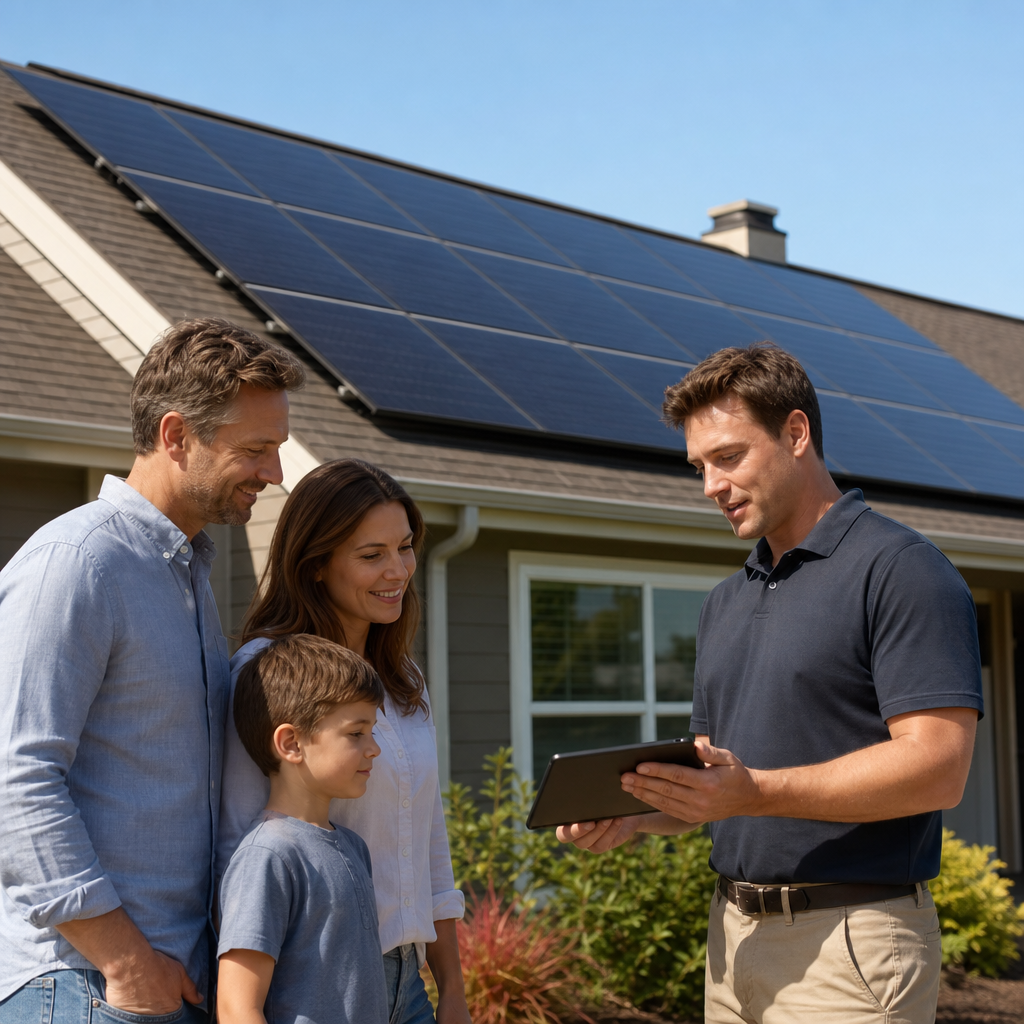
California's diverse climate and utility zones mean that the "best" system design varies significantly by region.
| Region | Utility | Key Consideration |
|---|---|---|
| Bay Area | PG&E | High electricity rates make solar payback periods shorter |
| Central Valley | PG&E | High summer temperatures affect panel efficiency; shading design is critical |
| Los Angeles Basin | SCE / LADWP | Dense housing means roof orientation and shading analysis matter more |
| San Diego | SDG&E | Some of the highest electricity rates in the state, strong ROI for battery storage |
Not every company marketing itself among the "best solar companies in California" deserves that reputation. Watch for these warning signs:
Consumers can verify contractor license status through the California Contractors State License Board. The appropriate classification may be C-46 or C-10 depending on the scope of work.
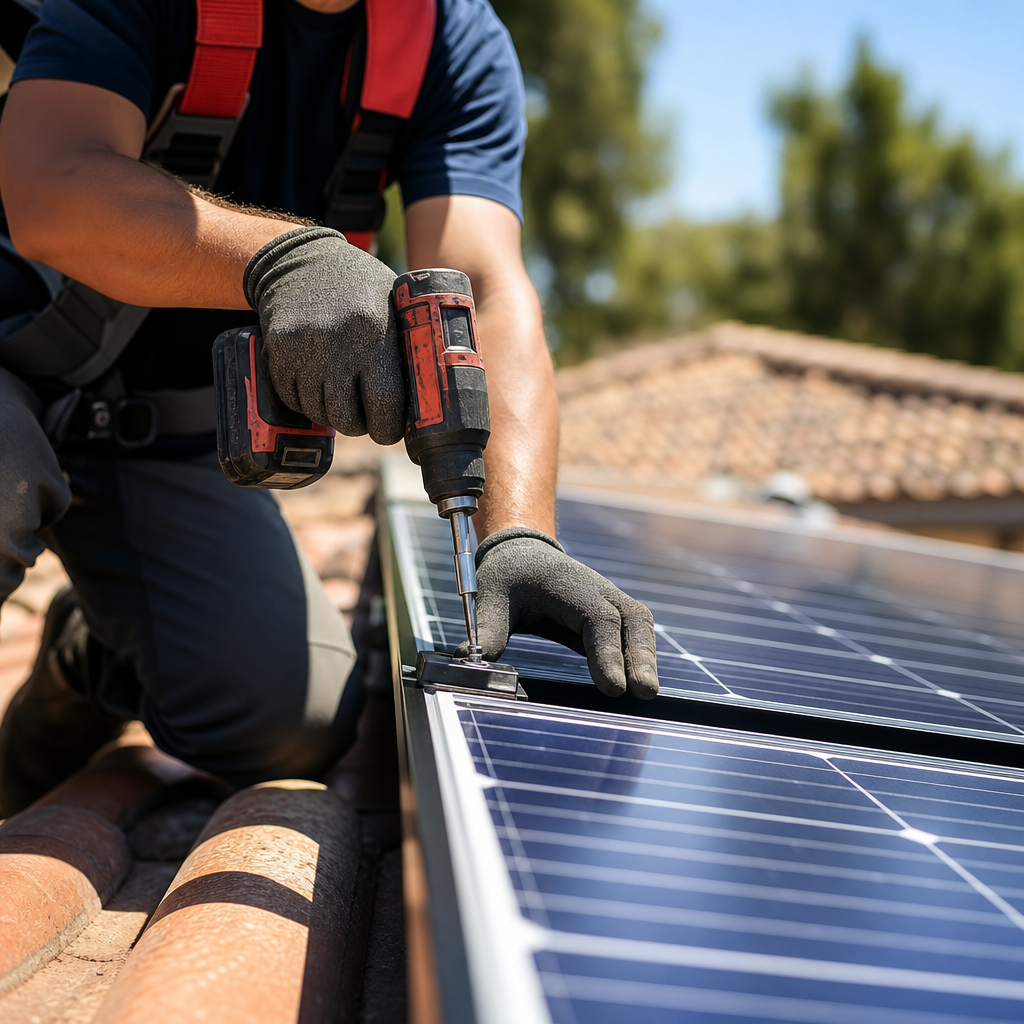
Everysun's model centers on combining high-efficiency, US-manufactured panels with installation practices modeled on Swedish safety standards — an approach that emphasizes precision electrical work, secure roof penetration sealing, and rigorous quality control at every stage. This is paired with:
Selecting among the best solar companies in California ultimately comes down to balancing four variables: upfront cost, warranty strength, equipment quality, and the installer's track record for standing behind its work. A slightly higher upfront investment in a company offering a 20-year workmanship guarantee and 25-year product warranties often proves far more economical than choosing the cheapest bid from a company with a 10-year warranty and inconsistent subcontracted labor.
Before signing any contract, homeowners should:
Solar remains one of the most reliable long-term investments a California homeowner can make, particularly as utility rates continue their upward trajectory. The right installer doesn't just sell panels — they engineer a system built for decades of reliable performance.
Everysun combines high-efficiency, US-made solar panels with installation and safety practices rooted in Swedish engineering standards, backed by a 20-year installation guarantee and 25-year product warranties that go well beyond typical industry norms. For California homeowners who want a system built to last — not just installed quickly — www.everysun.com offers the equipment quality, warranty protection, and flexible financing needed to make solar both accessible and dependable for the decades ahead.
© 2025 Everysun Inc. All Rights Reserved.


Get Your Free Solar Quote
Request your free quote and see how solar can work for your home and budget