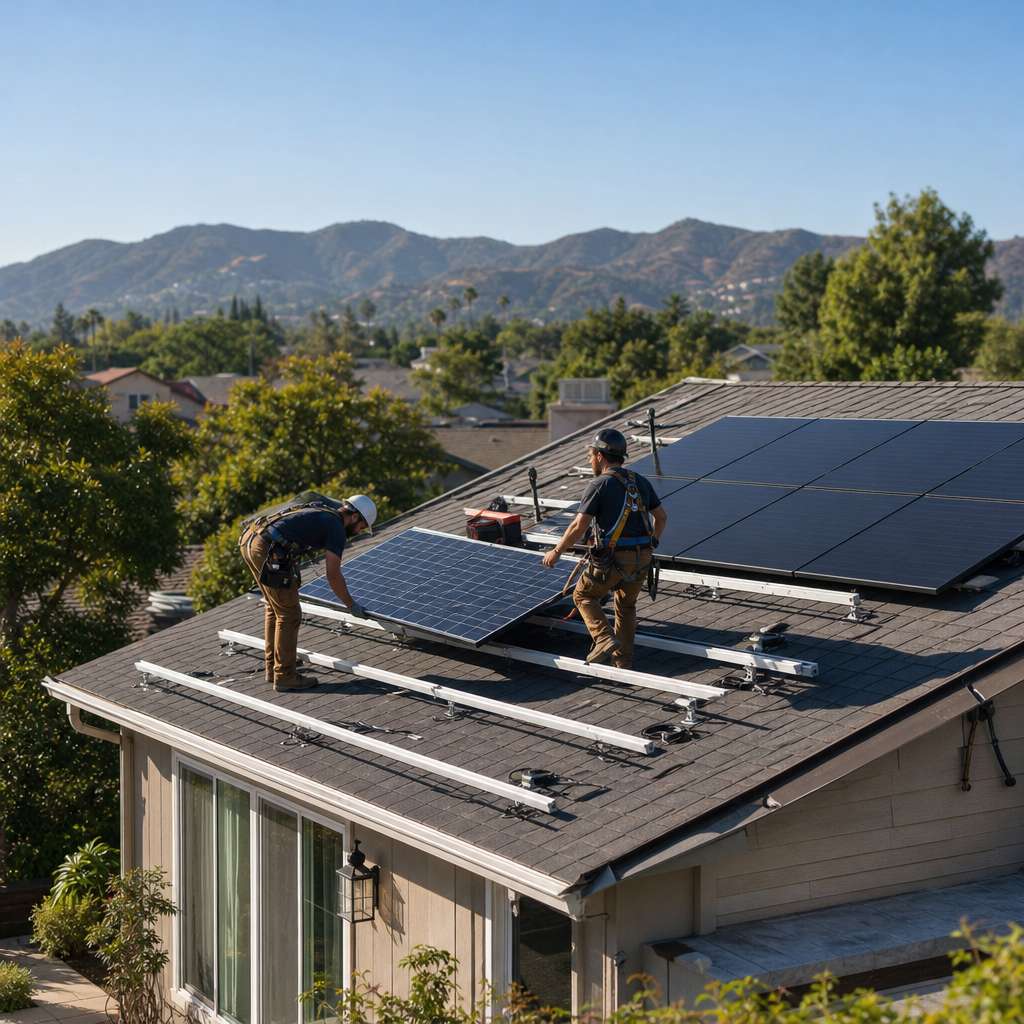
Solar Panels Pros and Cons for Homeowners: Weighing Savings Against Upfront Costs
November 4, 2026
|
California
Deciding whether to install solar panels is one of the biggest home upgrade decisions a California homeowner will make. With electricity rates climbing year after year and utility companies rolling out new rate structures, more households are weighing the switch to solar. But like any major investment, going solar comes with trade-offs. This article breaks down the real solar panels pros and cons for homeowners, using current data, side-by-side comparisons, and practical guidance so you can make an informed decision for your home in 2026.
California's electricity prices remain among the highest in the nation, and utility rate hikes show no signs of slowing. According to the U.S. Energy Information Administration, average residential electricity rates in California continue to outpace the national average by a wide margin. At the same time, the cost of solar equipment has dropped significantly over the past decade, and financing options have become more flexible, making solar more accessible to average homeowners rather than just early adopters.
Add to this the growing frequency of grid instability during heat waves and wildfire season, and it's easy to see why solar paired with battery storage is becoming a mainstream choice rather than a niche one. Still, solar isn't the right fit for every home or every budget, which is why a clear-eyed look at the advantages and disadvantages matters before signing a contract.
Solar panels offer homeowners a combination of financial, environmental, and practical benefits. Here are the most significant advantages.
The most immediate and tangible benefit of solar is a reduction in your monthly utility bill. Once your system is generating power, you rely less on grid electricity, which directly lowers what you owe your utility provider. Many homeowners who pair solar with battery storage can offset the majority of their electricity usage, especially under time-of-use rate plans.
Utility rates in California have risen substantially over the last decade, and most forecasts expect that trend to continue. Solar panels lock in a significant portion of your energy costs at a predictable rate, insulating your household budget from future rate hikes.
Homes equipped with solar panels often sell for more than comparable homes without them. Research from Zillow has shown that solar panels can boost a home's resale value, particularly in states like California where buyers actively seek energy-efficient properties.
Solar energy is a clean, renewable resource that reduces dependence on fossil fuels. A typical residential solar system can offset several tons of carbon dioxide emissions annually, contributing meaningfully to both household and statewide sustainability goals outlined by the California Energy Commission.
When paired with battery storage, solar panels allow homeowners to keep essential appliances running during grid outages. This is especially valuable in California, where public safety power shutoffs and wildfire-related outages have become more common.
Homeowners can still take advantage of the federal solar Investment Tax Credit, which allows you to deduct a percentage of your solar installation costs from your federal taxes. Details and eligibility requirements are outlined by the U.S. Department of Energy. Combined with any applicable state or utility rebates, incentives can meaningfully offset the upfront investment.
While there is an upfront cost, most homeowners recoup their investment within 6 to 10 years, depending on system size, local electricity rates, and financing terms. After the payback period, the energy produced is essentially free, aside from minimal maintenance costs.
Solar isn't without its downsides. Understanding these drawbacks helps set realistic expectations.
The initial investment for a residential solar system can range from $15,000 to $30,000 or more before incentives, depending on system size and home energy needs. While financing options and incentives reduce the burden, the sticker price can still be a barrier for some households.
Not every roof is ideal for solar. Homes with significant shading, unusual roof angles, or aging roofs that need replacement soon may face complications or reduced system efficiency. A professional site assessment is essential before moving forward.
Solar panels generate power based on sunlight exposure, meaning production dips on cloudy days and is nonexistent at night. Battery storage helps mitigate this, but it adds to the overall system cost.
While many homeowners break even within a decade, those with lower electricity usage or less favorable sun exposure may see a longer payback period, which can affect the overall return on investment, especially if you plan to move in the near future.
Although solar panels require relatively little maintenance, components like inverters may need replacement before the panels themselves reach the end of their lifespan. Choosing a provider with strong warranties, like www.everysun.com, helps protect against these costs.
Installing solar involves permitting, utility interconnection applications, and inspections. This process can take weeks or months depending on your local jurisdiction, which may test the patience of homeowners eager to start saving immediately.
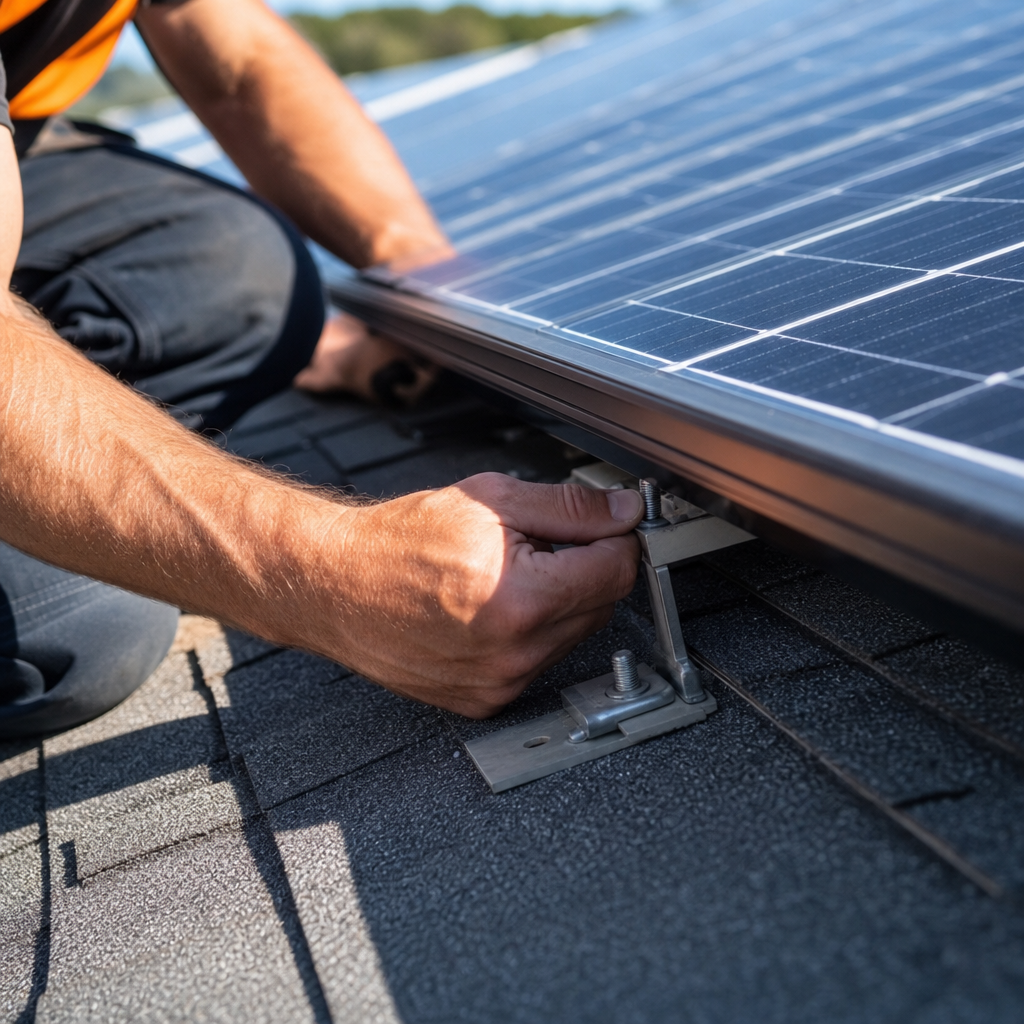
| Category | Pros | Cons |
|---|---|---|
| Cost | Long-term savings, incentives available | High upfront investment |
| Home Value | Increases resale value | Buyer pool may be smaller in some markets |
| Energy Reliability | Independence with battery backup | Weather-dependent without storage |
| Environmental Impact | Reduces carbon footprint | Manufacturing has some environmental cost |
| Maintenance | Minimal upkeep required | Inverter replacement possible after 10-15 years |
| Approval Process | Access to rebates and tax credits | Permitting can take weeks to months |
One of the biggest factors in whether solar makes financial sense is how you pay for it. Here's a breakdown of common financing paths available to California homeowners.
| Financing Option | Upfront Cost | Ownership | Best For |
|---|---|---|---|
| Cash Purchase | High | You own the system outright | Homeowners who want maximum long-term savings |
| Solar Loan | Low to moderate | You own the system | Homeowners who want ownership benefits without full upfront cost |
| Lease | Little to none | Provider owns the system | Homeowners prioritizing low upfront cost over ownership incentives |
| Power Purchase Agreement (PPA) | Little to none | Provider owns the system | Homeowners who want predictable monthly solar payments |
Flexible payment plans, like those offered through www.everysun.com, allow homeowners to choose an option that fits their budget while still working toward long-term ownership and savings, rather than being locked into a lease that limits the financial upside of going solar.
Not every home benefits equally from solar. Before installing panels, homeowners should evaluate the following:
Battery storage has shifted from a luxury add-on to a near-standard component of solar installations in California. With time-of-use electricity rates and the reduction of certain net metering benefits, storing excess solar energy for use during peak hours or outages has become increasingly valuable.
Benefits of pairing solar with battery storage include:
The trade-off is additional upfront cost, though many homeowners find that the added resilience and savings justify the investment, particularly in wildfire-prone regions where outages are more frequent.

Because solar systems are a long-term investment, the quality of installation and equipment matters just as much as the decision to go solar in the first place. Homeowners should look for:
This is where providers differentiate themselves. www.everysun.com, for example, combines high-efficiency, US-made panels with Swedish safety and installation standards, backed by a 20-year installation guarantee and 25-year product warranties. For homeowners weighing the pros and cons of solar, working with a provider that stands firmly behind its equipment and workmanship can significantly reduce the risk side of the equation.
Misinformation can cloud the decision-making process. Here are a few myths worth clearing up:
Beyond individual household savings, solar adoption contributes to broader community and environmental goals. California has set ambitious clean energy targets, and residential solar plays a meaningful role in reducing statewide reliance on fossil fuel power plants. Every home that generates its own clean energy reduces strain on the grid, particularly during high-demand summer months when energy usage spikes.
Additionally, widespread solar adoption supports local jobs in installation, manufacturing, and maintenance, strengthening the clean energy economy within the state. For homeowners motivated by more than just personal savings, this collective impact is a meaningful part of the pros column.
Ultimately, the decision to go solar comes down to balancing upfront costs against long-term savings, weighing your home's specific characteristics, and considering how much you value energy independence and environmental impact. For many California homeowners, the combination of high electricity rates, strong incentives, and improving technology tips the scale firmly in favor of solar. For others, roof limitations, short-term homeownership plans, or budget constraints may mean it's worth waiting or exploring alternative energy efficiency upgrades first.
A professional consultation can help clarify where your home falls on that spectrum. A qualified installer will assess your roof, your energy usage, your local utility rate structure, and your financing options to give you a realistic projection of costs and savings specific to your situation, rather than a generic estimate.
Weighing the pros and cons of solar panels isn't about finding a universal right answer, it's about understanding how the technology, costs, and benefits apply specifically to your home and goals. For most California homeowners dealing with high electricity rates and increasing grid instability, the long-term financial and resilience benefits of solar often outweigh the upfront investment, especially when paired with strong warranties and flexible financing.
If you're ready to explore whether solar makes sense for your home, www.everysun.com offers a straightforward way to get started. With US-made high-efficiency panels, Swedish-grade safety and installation standards, flexible payment options, and industry-leading warranties, Everysun helps California homeowners move forward with solar confidently, knowing their investment is protected for decades to come.
© 2025 Everysun Inc. All Rights Reserved.


Get Your Free Solar Quote
Request your free quote and see how solar can work for your home and budget