Solar Panel Companies Near Me: How to Choose the Right Installer in California
September 19, 2026
|
California
Typing "solar panel companies near me" into a search bar is usually the first real step homeowners take once they've decided solar is worth pursuing. But the search results that follow can be overwhelming — dozens of local installers, national franchises, and lead-generation sites all claiming to offer the best deal. Choosing the right company affects not just your upfront cost, but the performance of your system for the next 20 to 25 years.
This guide walks through exactly what to look for when evaluating solar panel companies near you, what questions to ask, and how to separate reputable local installers from companies that cut corners.
Solar installation isn't like buying an appliance online. It's a multi-week process involving site assessments, permitting, utility coordination, and physical labor on your roof. Proximity and local expertise genuinely affect the outcome.
A company operating in your region understands:
According to the U.S. Department of Energy, choosing an installer with regional experience is one of the top factors in a smooth, successful solar project. A national call center may not know that your city requires a separate structural permit, but a local team will.
Not all solar installers are created equal, even within the same city. Here are the criteria that matter most.
Every legitimate solar installer in California must hold a C-46 (Solar) or C-10 (Electrical) contractor license issued by the California Contractors State License Board. Always verify a company's license number before signing any contract.
The North American Board of Certified Energy Practitioners (NABCEP) is the industry's gold-standard certification for solar installers. Companies employing NABCEP-certified technicians typically demonstrate higher installation quality and technical competency.
Ask specifically what brand of panels, inverters, and batteries the company installs. Some installers use budget imported equipment to cut costs, which can compromise efficiency and longevity. Others, like Everysun, use US-made high-efficiency panels combined with rigorous safety standards to ensure long-term reliability.
A solar system is a 25-year investment. The strength of a company's warranty — both on equipment and workmanship — tells you how confident they are in their own installation quality.
Reputable companies near you should offer multiple payment paths: cash purchase, solar loans, or lease/PPA options, so you can choose what fits your financial situation rather than being pushed into one option.
Check platforms like the Better Business Bureau and Google reviews for patterns — not just star ratings, but comments about post-installation support, response times, and how issues were resolved.
| Factor | Local/Regional Installer | National Franchise |
|---|---|---|
| Permitting knowledge | Deep familiarity with city/county rules | Often generalized, slower turnaround |
| Response time for service | Faster, based nearby | Can involve call centers, longer wait |
| Pricing transparency | Often more direct, fewer markups | Marketing and overhead costs may raise price |
| Customization | Tailored to your roof and utility | Standardized packages |
| Warranty support | Personal accountability | Corporate policies, less flexibility |
This isn't to say all national companies perform poorly — but homeowners should weigh the tradeoffs. A company that understands California's climate and grid structure, and can also show up quickly for maintenance, offers real long-term value.
Before signing a contract, ask each company you're considering the following:
The answers to these questions reveal far more than a sales pitch ever will. A company confident in its work will answer clearly and provide documentation without hesitation.
Pricing varies significantly between installers, and the cheapest quote isn't always the best value. According to EnergySage, average solar costs in California range depending on system size, equipment tier, and installation complexity.
| System Size | Estimated Cost Range (Before Incentives) | Typical Homes Served |
|---|---|---|
| 4 kW | $12,000 - $16,000 | Small homes, low usage |
| 6 kW | $17,000 - $22,000 | Average single-family home |
| 8 kW | $22,000 - $28,000 | Larger homes or high usage |
| 10 kW+ | $28,000 - $36,000 | Homes with EVs or heavy AC use |
These figures are estimates and will vary based on the installer, panel brand, battery inclusion, and roof complexity. Homeowners should also factor in the federal solar tax credit, which currently allows a percentage of total system cost to be claimed, significantly reducing net investment.
When comparing quotes from different solar panel companies near you, make sure each proposal breaks down:
A lower sticker price sometimes hides lower-tier equipment or shorter warranties. Always compare apples to apples.
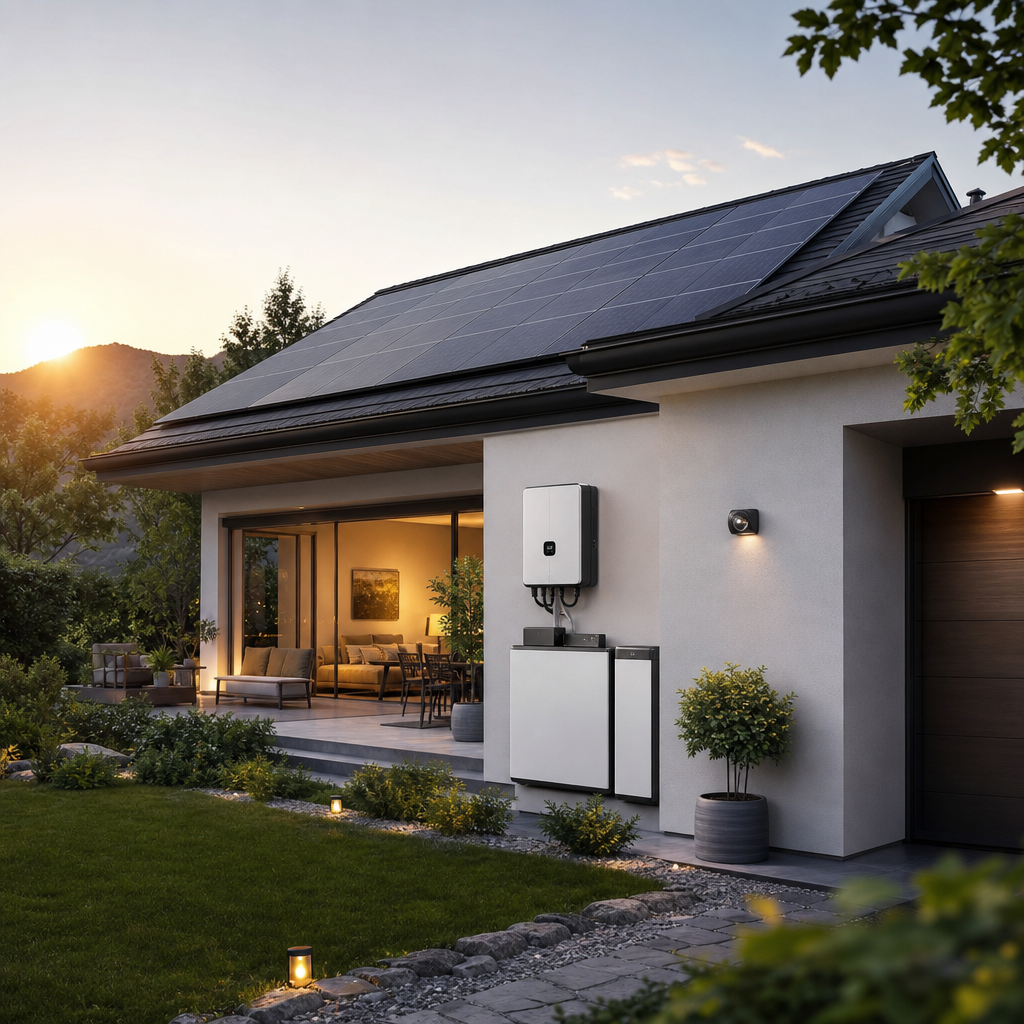
More California homeowners are pairing solar panels with battery storage, particularly given the state's evolving net billing policies and increasing frequency of public safety power shutoffs. A battery allows stored solar energy to be used at night or during an outage, rather than exporting excess power back to the grid at a lower compensation rate.
When evaluating local solar companies, ask specifically about their battery installation experience. Not every solar installer has deep expertise in battery systems, and improper installation can affect both performance and safety. Companies with a strong background in combined solar-plus-storage systems, such as Everysun, can help homeowners design a setup that maximizes self-consumption and backup reliability.
Key battery considerations include:
The California Public Utilities Commission has also updated net billing tariffs in recent years, making battery storage more financially attractive since excess solar exported to the grid is compensated at lower rates than in the past. This shift has made storage a near-standard addition rather than an optional upgrade for many homeowners going solar in 2026.
While most solar companies operate honestly, homeowners should be cautious of certain warning signs:
The Federal Trade Commission publishes consumer guidance specifically warning against inflated savings claims and pressure sales tactics common in the solar industry. Reviewing this kind of independent guidance before signing anything is a smart step for any homeowner.
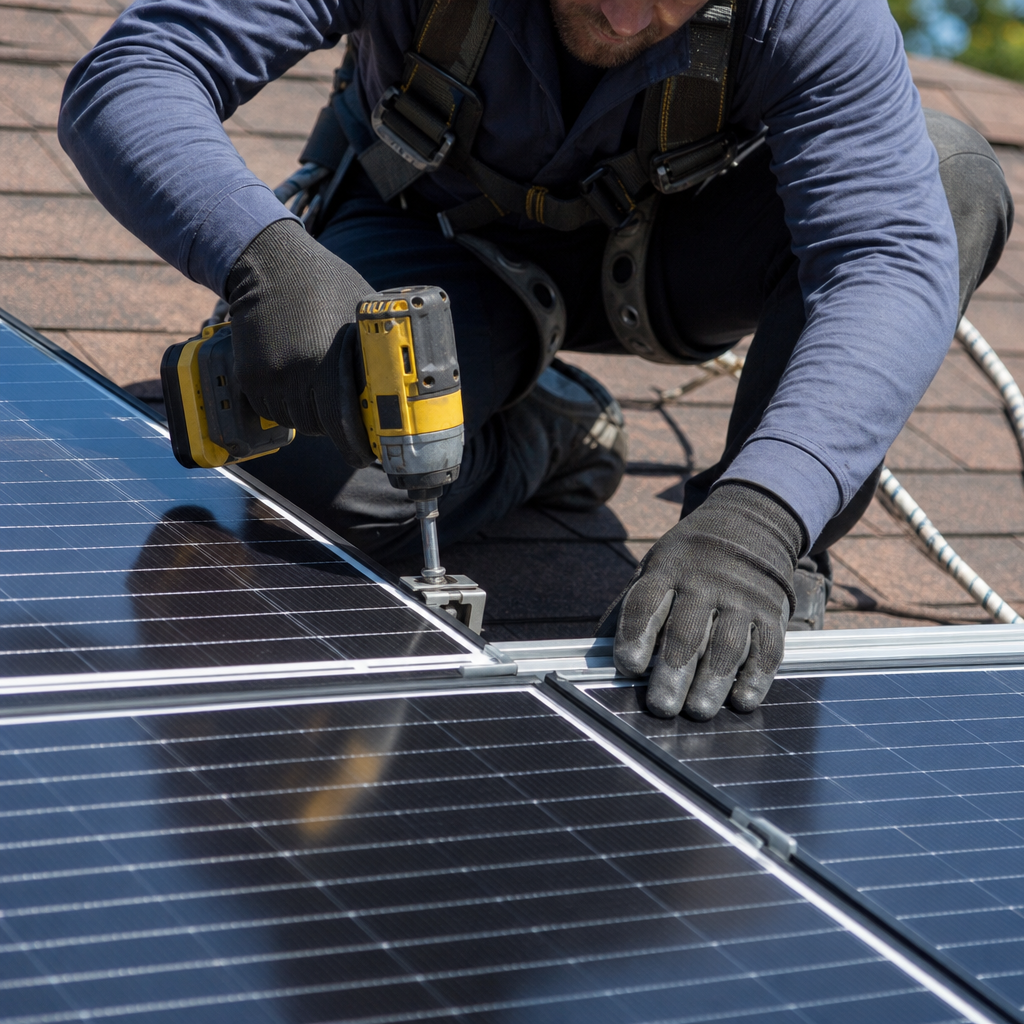
A solar system is only as good as its installation. Even top-tier panels can underperform if mounted incorrectly, wired poorly, or installed without proper attention to roof integrity and airflow. This is why installation guarantees matter just as much as product warranties.
Everysun, for example, combines US-made high-efficiency panels with installation practices built around Swedish safety standards — an approach that emphasizes precision, quality control, and long-term durability. Their systems come with a 20-year installation guarantee and 25-year product warranties, giving homeowners confidence that both the equipment and the workmanship are protected well beyond the typical industry standard.
When comparing local companies, ask specifically:
These distinctions often get glossed over in sales conversations but matter enormously if something goes wrong five or fifteen years down the line.
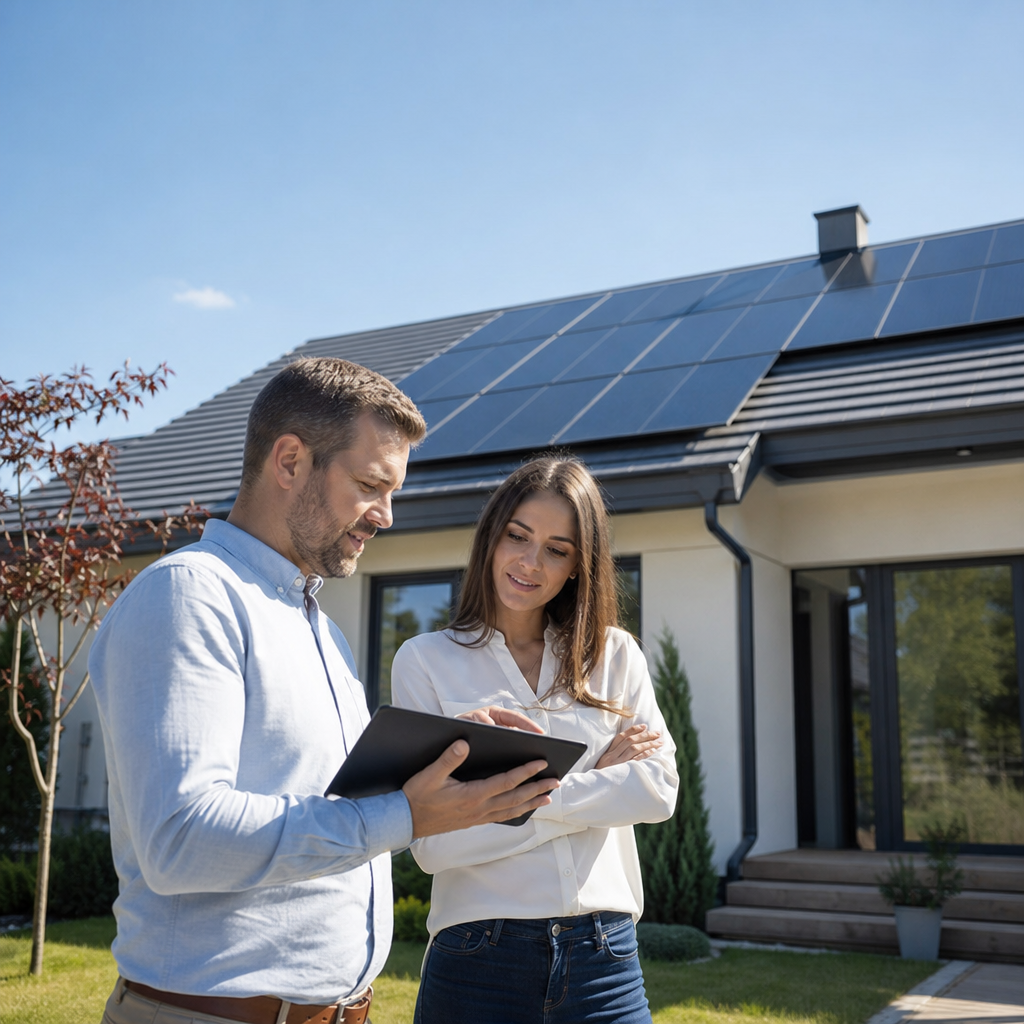
Once you've narrowed your search and selected a solar installer, the general process typically follows these steps:
Understanding this timeline helps set realistic expectations. From signed contract to full activation, most California residential solar projects take between six and twelve weeks, depending on the permitting jurisdiction and utility processing times.
Ultimately, choosing among solar panel companies near you comes down to balancing four factors: equipment quality, installation standards, warranty protection, and local accountability. A company that checks all four boxes — rather than excelling in just one — offers the best long-term value.
Homeowners should resist the urge to choose based on price alone. A slightly higher upfront cost from a company with superior equipment, stronger warranties, and a proven local track record often pays for itself many times over in reduced maintenance issues, better energy production, and peace of mind.
Take time to gather at least three quotes, ask the questions outlined above, and verify licensing and reviews independently. Solar is a long-term investment in your home and your energy independence, and the company you choose to install it matters just as much as the equipment itself.
For California homeowners weighing their options, www.everysun.com combines the reliability of US-made solar technology with Swedish-grade safety and installation standards, backed by flexible payment plans, a 20-year installation guarantee, and 25-year product warranties. That combination of quality, protection, and accessibility is exactly what homeowners should be looking for when searching for solar panel companies near me — a partner who is not just nearby, but genuinely invested in the long-term performance of your home's solar system.
© 2025 Everysun Inc. All Rights Reserved.


Get Your Free Solar Quote
Request your free quote and see how solar can work for your home and budget