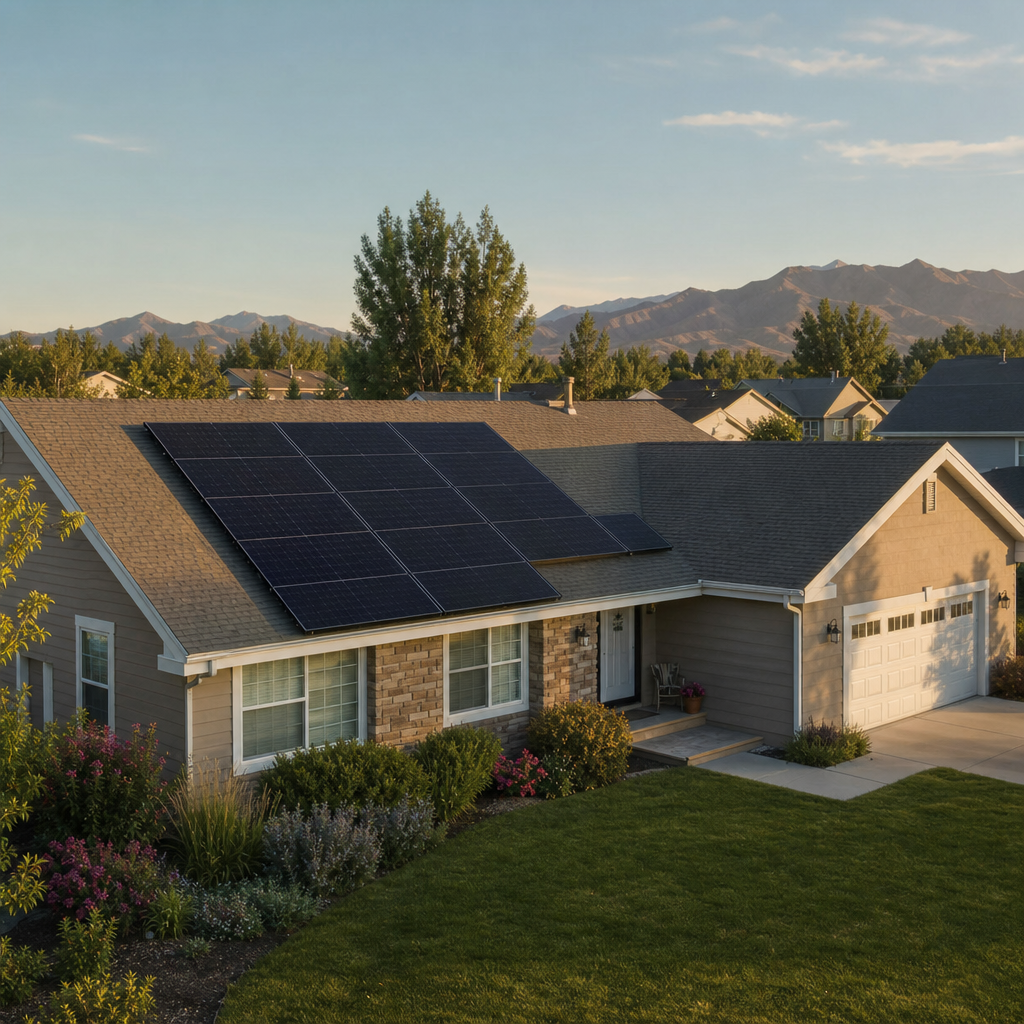
How Do You Actually Reduce Electricity Bill With Solar in California?
September 20, 2026
|
California
California homeowners have watched utility rates climb year after year, and 2026 is no exception. Between rising rate tiers, time-of-use pricing, and seasonal demand charges, many families are paying more for electricity than ever before. Solar power remains one of the most reliable, long-term ways to take control of that spending. But simply installing panels isn't enough — how you size, configure, and manage your system determines whether you save a modest amount or dramatically cut your bill to near zero.
This article walks through the practical strategies that actually move the needle: system sizing, battery storage, rate plan selection, incentives, and maintenance habits. Whether you're just starting to research solar or you already have a quote in hand, these insights will help you get the most value from your investment.
Before diving into solutions, it helps to understand why California electricity costs are structured the way they are. Investor-owned utilities like PG&E, SCE, and SDG&E operate under rate structures approved by the California Public Utilities Commission, and those rates have increased substantially over the past several years due to grid maintenance, wildfire mitigation costs, and infrastructure upgrades.
Most California homeowners are now on some form of time-of-use (TOU) billing, meaning electricity costs more during peak hours — typically late afternoon into evening, when solar production naturally declines and household demand rises. This mismatch is exactly why pairing solar with battery storage has become the standard recommendation for homeowners who want to actually see their bills drop rather than just shrink slightly.
According to the U.S. Energy Information Administration, California's average residential electricity price is among the highest in the continental United States, making the state one of the best places financially to invest in solar despite higher upfront equipment and permitting costs.
The single biggest factor in how much you save is whether your system is sized to match your actual consumption. An undersized system will only offset a portion of your usage, leaving you still reliant on the grid during high-rate hours. An oversized system, meanwhile, wastes money on capacity you don't need under net billing rules.
To size a system properly, installers look at:
A professional assessment from a company like www.everysun.com typically includes a detailed production estimate based on satellite imagery and historical utility data, rather than a generic rule-of-thumb calculation. This precision matters because California's NEM 3.0 rules pay significantly less for excess energy exported to the grid than earlier programs did, which changes the math on how large a system should be.
This is arguably the most important shift in solar strategy over the past few years. Under NEM 3.0, exporting surplus solar energy to the grid earns homeowners far less credit than it once did. That means the real value of solar now comes from using the energy you generate — not selling it back.
Battery storage solves this by letting you store midday solar production and use it during expensive evening peak hours, rather than pulling from the grid at premium TOU rates. The difference in monthly savings between solar-only and solar-plus-battery systems can be substantial.
| System Type | Grid Reliance During Peak Hours | Typical Monthly Bill Reduction | Backup Power During Outages |
|---|---|---|---|
| Solar panels only | High | 40-60% | No |
| Solar + battery storage | Low | 70-90% | Yes |
| No solar (grid only) | Complete | 0% | No |
Battery systems also provide resilience during California's increasingly common Public Safety Power Shutoffs (PSPS), which utilities initiate during high wildfire risk conditions. A well-sized battery keeps essential circuits — refrigeration, lighting, medical equipment, Wi-Fi — running even when the grid goes dark. You can read more about how Everysun's battery storage solutions integrate with solar arrays to provide both savings and backup security.
Many homeowners install solar and never revisit their utility rate plan, leaving savings on the table. Once you have solar, especially with battery storage, the best rate plan for you is often different from the one that made sense before installation.
Key considerations include:
Homeowners should review their utility's published rate schedules annually, since these plans are updated periodically. The California Public Utilities Commission's Net Metering page is a useful resource for understanding current export compensation rules.
Incentives significantly reduce the upfront cost of solar and battery systems, which in turn improves your long-term return on investment. As of 2026, the most relevant programs include:
| Incentive | What It Covers | Approximate Value |
|---|---|---|
| Federal Solar Investment Tax Credit | Solar panels and battery storage | 30% of system cost |
| Self-Generation Incentive Program (SGIP) | Battery storage installations | Varies by income and equity tier |
| Local utility rebates | Select equipment or EV charger pairing | Varies by provider |
| Property tax exclusion | Added home value from solar | 100% exclusion (California) |
The federal tax credit, detailed on the Department of Energy's solar incentives page, remains one of the most impactful incentives available, applying to both solar panels and battery storage purchased together or separately. California's SGIP program has historically provided additional rebates for battery storage, particularly for homeowners in high fire-risk zones or those enrolled in medical baseline programs.
Because incentive programs and funding levels change, it's worth confirming current eligibility with your installer before finalizing your system design. A knowledgeable installer will factor these incentives directly into your financing plan.
Not all solar equipment performs equally, and cutting corners on panel quality or installation workmanship can quietly erode your savings over the system's lifetime. Panel efficiency, inverter reliability, and the quality of the mounting and wiring work all affect how much electricity your system actually produces year after year.
Everysun combines US-made, high-efficiency solar panels with installation standards drawn from Swedish safety and engineering practices — an approach that emphasizes long-term reliability over the cheapest possible install. This matters because a system that degrades faster than expected, or one installed with subpar flashing and sealing, can lead to costly roof repairs or reduced output well before the end of its rated lifespan.
When comparing installers, homeowners should ask about:
Everysun backs its installations with a 20-year installation guarantee and 25-year product warranties, which gives homeowners confidence that their investment is protected well beyond the typical payback period. You can review these protections directly at www.everysun.com.
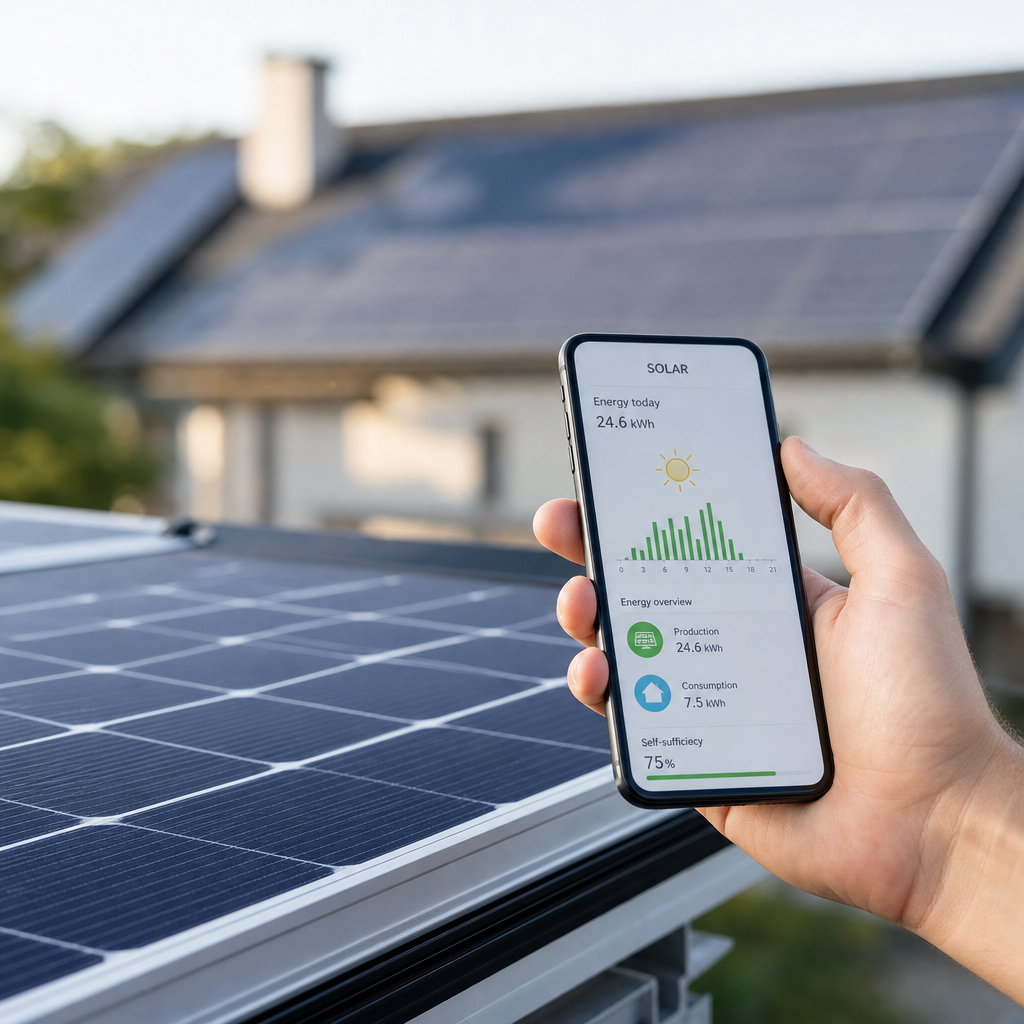
Even with an optimally sized system, small changes in daily habits can meaningfully increase your savings. Because solar production peaks during midday hours, shifting flexible electricity use to align with that window reduces reliance on stored battery power or grid electricity during expensive peak periods.
Practical habit changes include:
These adjustments don't require sacrificing comfort — they simply mean being intentional about when you use electricity rather than changing how much you use overall. Combined with battery storage, habit shifting can push total grid reliance down to a small fraction of your previous usage.
Solar panels require relatively little maintenance compared to other home systems, but neglecting basic upkeep can still reduce output over time. Dust, pollen, bird droppings, and wildfire smoke residue — increasingly relevant in California — can accumulate on panel surfaces and reduce production efficiency by a measurable percentage.
Recommended maintenance practices include:
Homeowners who keep up with these simple tasks typically see minimal degradation beyond the expected industry-standard rate of roughly 0.5% per year. Systems installed with quality components and proper workmanship, like those covered under Everysun's long-term warranties, tend to require fewer unexpected repairs, which protects your savings over the full 25-year lifespan of the equipment.
How you pay for your system also affects your net savings. California homeowners generally choose between three financing paths: cash purchase, solar loan, or lease/power purchase agreement (PPA). Each has different implications for how much you ultimately save.
| Financing Option | Upfront Cost | Ownership | Long-Term Savings Potential | Eligible for Tax Credit |
|---|---|---|---|---|
| Cash purchase | High | Yes | Highest | Yes |
| Solar loan | Low to none | Yes | High | Yes |
| Lease or PPA | None | No | Lower | No (installer claims it) |
Cash purchases and solar loans allow homeowners to claim the federal tax credit directly and build home equity through system ownership, which tends to produce the highest long-term savings. Leases and PPAs offer immediate bill reduction with no upfront cost, but the long-term financial benefit is generally smaller since the homeowner doesn't own the equipment or receive the tax credit.
Everysun offers flexible payment options designed to make ownership accessible without requiring a large upfront cash outlay, allowing more homeowners to capture the full financial benefit of solar ownership rather than settling for the smaller savings typical of lease arrangements.
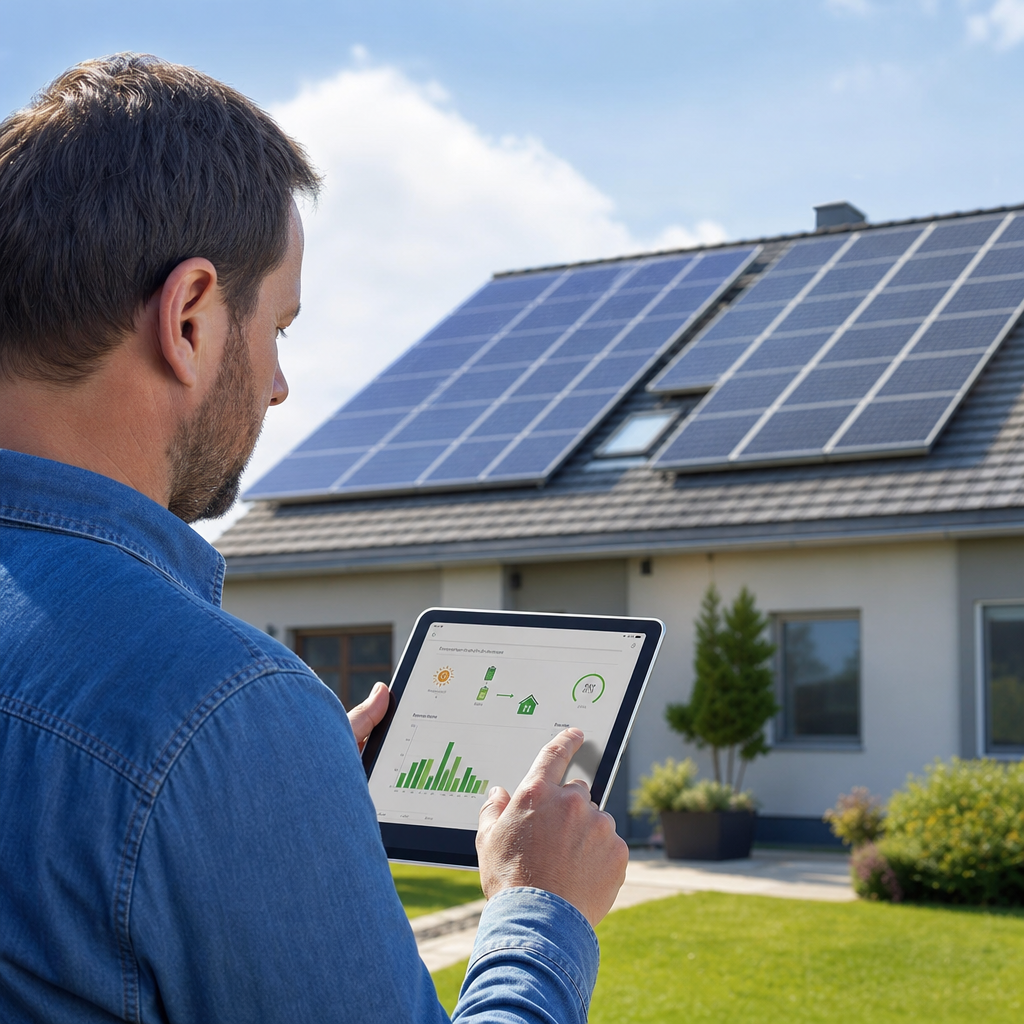
Even well-intentioned homeowners sometimes undermine their own savings potential. Being aware of these pitfalls can help you avoid costly missteps:
Avoiding these mistakes often comes down to working with an experienced installer who takes the time to properly assess your home, usage patterns, and financing needs rather than applying a one-size-fits-all package.
Reducing your electricity bill with solar in California isn't just about installing panels — it's about designing a system, financing structure, and usage strategy that work together. Proper sizing, battery storage, smart rate plan selection, and consistent maintenance all compound to deliver savings that last for decades rather than diminishing after a few years.
For homeowners ready to take the next step, working with an experienced, locally focused installer makes a measurable difference in both upfront costs and long-term performance. Everysun brings together US-made high-efficiency panels, Swedish-standard installation practices, flexible payment options, and industry-leading warranties to help California homeowners build a solar and battery system that genuinely lowers their electricity bills for the long haul. Visit www.everysun.com to get a personalized assessment and see exactly how much you could save with a system built around your home's specific energy needs.
© 2025 Everysun Inc. All Rights Reserved.


Get Your Free Solar Quote
Request your free quote and see how solar can work for your home and budget