Home Battery Storage System Cost vs. Staying on the Grid: Which Wins in California?
September 15, 2026
|
California
Rising electricity rates, frequent Public Safety Power Shutoffs, and California's shift to Net Billing (NEM 3.0) have pushed home battery storage from a luxury add-on to a near-essential part of any solar investment. But how much does a home battery storage system actually cost, and does it make financial sense compared to simply staying connected to the grid without one? This article breaks down real pricing, compares battery brands, and weighs the long-term value of storage against the risks of going without it.
Battery pricing isn't a single number — it depends on capacity, chemistry, installation complexity, and whether the battery is paired with new or existing solar panels. Understanding these variables helps homeowners avoid overpaying or under-sizing their system.
Key cost factors include:
As of 2026, most California homeowners pay between $10,000 and $22,000 for a single battery installed alongside solar, before incentives. Whole-home backup systems using two or three batteries can range from $25,000 to $40,000. Below is a snapshot of typical pricing by popular battery models.
| Battery Model | Usable Capacity | Estimated Installed Cost | Typical Backup Use Case |
|---|---|---|---|
| Tesla Powerwall 3 | 13.5 kWh | $13,000–$16,500 | Partial home backup, EV charging support |
| Enphase IQ Battery 5P | 5 kWh (stackable) | $9,500–$12,000 per unit | Modular, scalable whole-home backup |
| LG Chem RESU Prime | 16 kWh | $14,000–$18,000 | Larger homes, high-usage households |
| Franklin WH aPower | 15 kWh | $16,000–$20,000 | Whole-home backup with smart load management |
| SolarEdge Home Battery | 9.7–19.4 kWh | $12,000–$21,000 | Homes with SolarEdge inverters already installed |
Prices reflect general California market averages before the federal tax credit and do not include potential state or utility rebates. Actual quotes vary by home, installer, and site conditions.
These figures align with industry reporting from EnergySage, which tracks national battery pricing trends and confirms California often runs slightly above the national average due to labor costs and seismic/fire-safety compliance requirements.
Many homeowners ask whether adding a battery is worth the extra expense on top of solar panels. The answer depends heavily on how California's Net Billing Tariff (NEM 3.0) values exported solar energy versus stored, self-consumed energy.
| Factor | Solar Only (No Battery) | Solar + Battery Storage |
|---|---|---|
| Upfront cost | Lower | Higher (+$10K–$20K) |
| Value of exported excess solar | Low under NEM 3.0 export rates | N/A — energy stored, not exported |
| Power during outages | None | Yes, full or partial backup |
| Nighttime energy costs | Paid at retail/peak utility rates | Covered by stored solar energy |
| Protection from time-of-use rate hikes | Limited | Strong — shift usage to off-peak |
| Payback period | 5–8 years | 7–10 years, faster with incentives |
| Long-term savings potential | Moderate | High, especially with rising rates |
Under NEM 3.0, utilities compensate homeowners far less for solar sent back to the grid than under the older NEM 2.0 structure. That change, detailed by the California Public Utilities Commission, has made battery storage financially more attractive because it lets homeowners use their own solar energy at night instead of buying it back from the utility at high rates.
Several programs can significantly lower the net cost of a home battery system in California:
Combining the federal credit with SGIP rebates can reduce total battery costs by 30–50%, substantially shortening the payback period.
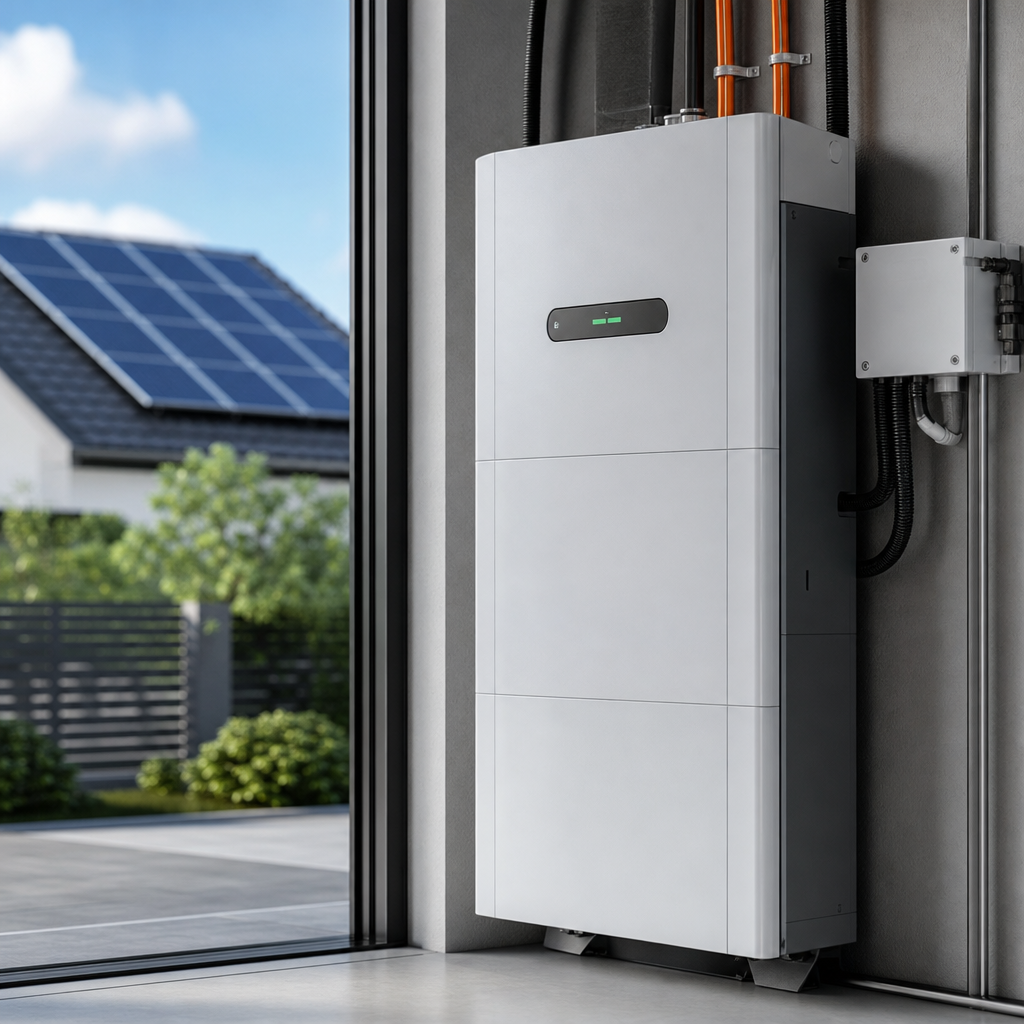
Cost conversations often stall because homeowners don't know how much battery capacity they truly need. Oversizing wastes money; undersizing leaves critical circuits unpowered during an outage.
Steps to determine proper sizing:
A typical California household uses 20–30 kWh per day. A single 13–16 kWh battery generally covers essential nighttime and outage needs, while larger homes or those wanting full backup often choose two batteries.
Not all batteries — or installations — are equal. Battery fires, though rare, have occurred due to poor ventilation, improper mounting, or subpar electrical work. This is where installation standards make a measurable difference in both safety and long-term cost.
Lithium iron phosphate (LFP) chemistry, used in most modern residential batteries, is significantly more thermally stable than older lithium-ion chemistries. Independent safety testing organizations such as UL Solutions certify battery systems against rigorous fire and electrical safety standards, and homeowners should always confirm UL 9540 certification before purchasing.
Beyond the equipment itself, installation quality affects:
Everysun applies Swedish safety and installation protocols — among the strictest in the world — to every battery installation, paired with a 20-year installation guarantee and 25-year product warranties. This approach minimizes the hidden long-term costs that come from poor workmanship, such as premature battery failure or costly rework. Homeowners comparing quotes should ask installers directly about certification, ventilation planning, and code compliance rather than focusing on price alone. Learn more about installation standards at www.everysun.com.
Given the significant upfront investment, financing structures play a major role in making home battery storage accessible. Common options include:
Everysun offers flexible payment options designed to make both solar and battery storage accessible without requiring large upfront capital, allowing homeowners to start saving from month one while retaining ownership benefits like the federal tax credit.
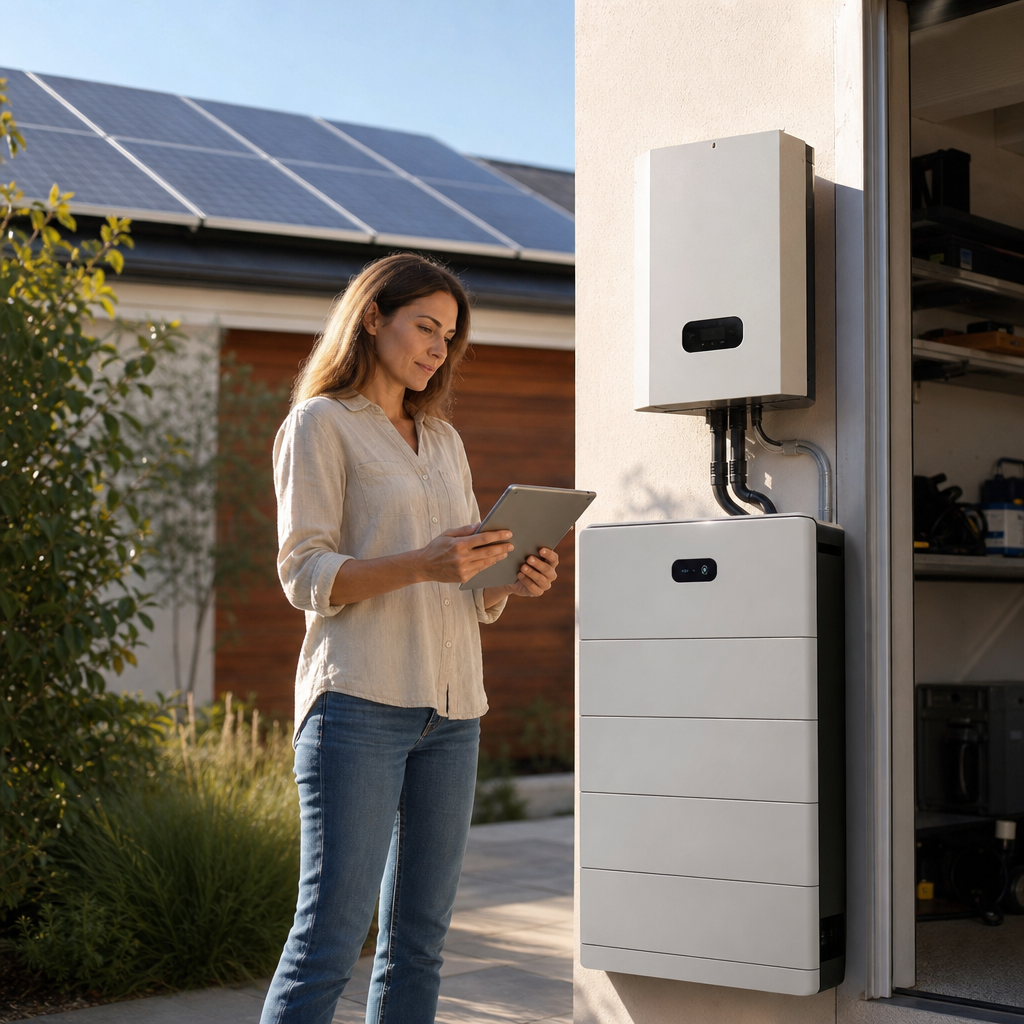
Payback timelines depend on electricity rates, time-of-use pricing structures, incentive eligibility, and how often outages occur in a given area. On average, California homeowners see payback within 7 to 10 years when combining federal tax credits with strategic time-of-use rate shifting — moving usage away from expensive peak evening hours already covered by the National Renewable Energy Laboratory's research on distributed energy storage economics.
Factors that shorten payback:
Factors that lengthen payback:
Beyond the battery and installation price tag, homeowners should budget for a few additional line items that are sometimes left out of initial quotes:
Choosing an installer that provides transparent, itemized quotes — rather than bundled estimates — helps avoid surprise costs after signing a contract.
For most California homeowners already installing or owning solar panels, adding battery storage has become increasingly logical under NEM 3.0's reduced export compensation. Rather than sending excess solar to the grid for minimal credit, storing that energy for evening use or outage protection delivers more consistent, measurable value. Battery storage also provides something monetary savings alone cannot: energy security during wildfire season shutoffs and grid instability.
That said, the decision should be based on individualized numbers — household energy usage, local utility rates, fire-risk exposure, and available incentives all shift the calculation. Working with an experienced, safety-focused installer ensures the system is sized correctly and installed to standards that protect both the investment and the home.
Everysun combines US-made, high-efficiency solar equipment with Swedish-grade safety and installation practices, backed by a 20-year installation guarantee and 25-year product warranties. For homeowners weighing home battery storage system cost against long-term energy independence, www.everysun.com offers a straightforward path to affordable, reliable, and safely installed solar and battery systems — helping California families reduce bills, gain protection from outages, and invest with confidence in their home's energy future.
© 2025 Everysun Inc. All Rights Reserved.


Get Your Free Solar Quote
Request your free quote and see how solar can work for your home and budget