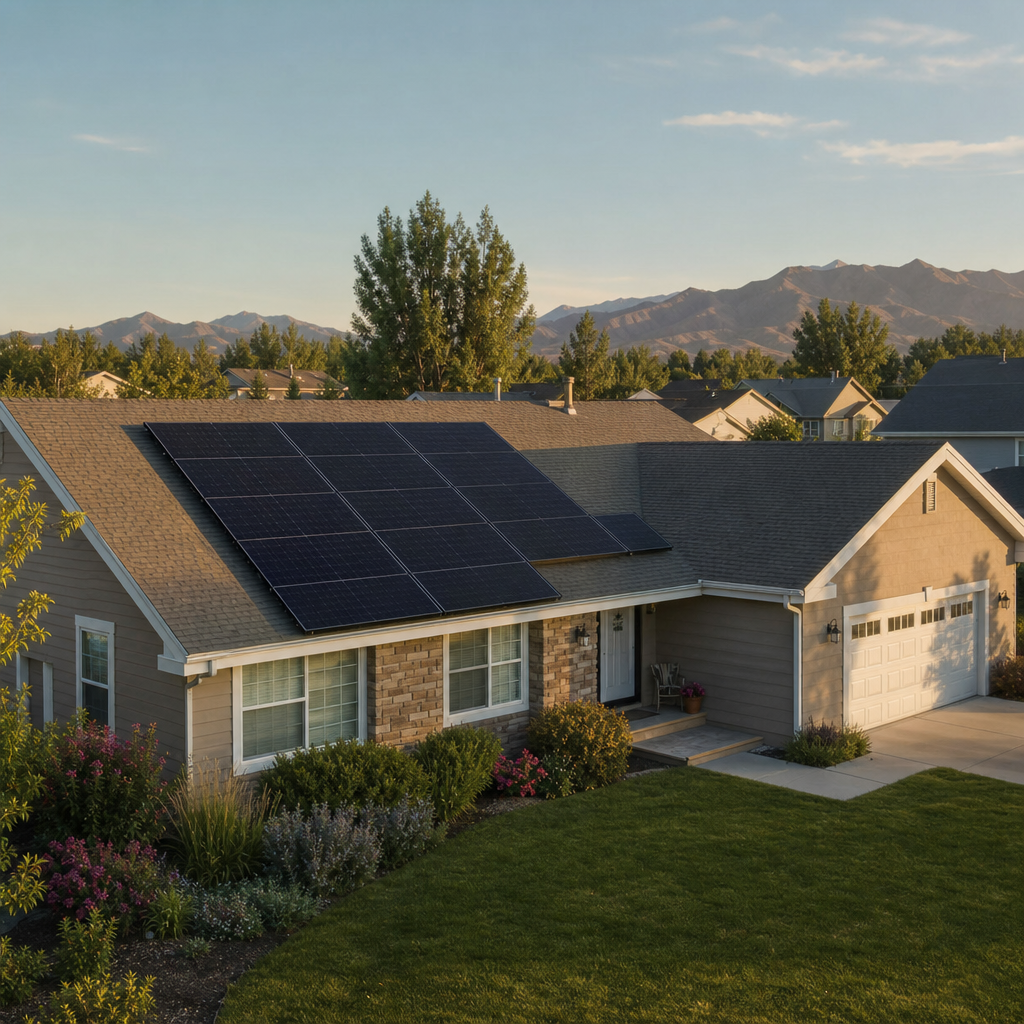
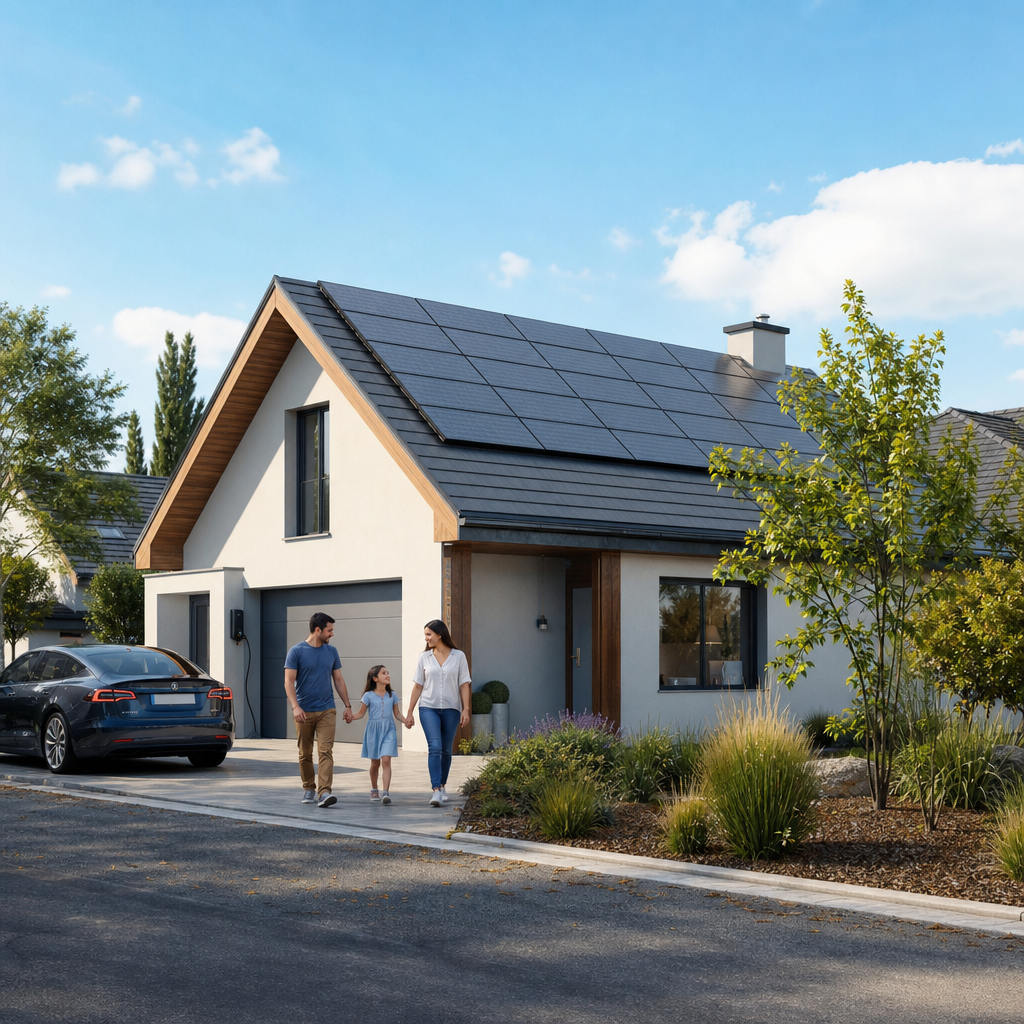
California Roofs Deserve Better: What Makes the Best Solar Panels for Residential Use
September 10, 2026
|
California
California homeowners have more solar options today than ever before, and that abundance can be overwhelming. Walk into any conversation about rooftop solar and you'll hear a dozen brand names, technical specs, and financing terms thrown around at once. If you're simply trying to figure out which equipment will actually perform well on your roof, save you the most money, and last for decades, the noise can drown out the decision. This guide cuts through that noise and focuses on what matters most: how to identify the best solar panels for residential use in California's specific climate, utility landscape, and regulatory environment.
Whether you're comparing monocrystalline versus polycrystalline cells, trying to understand efficiency ratings, or wondering whether a 25-year warranty is actually worth the paper it's printed on, this article walks through the criteria that separate excellent residential solar panels from mediocre ones.
California's combination of high electricity rates, abundant sunshine, and evolving net billing rules under NEM 3.0 makes panel selection especially consequential. Homeowners here are not just trying to "go solar" — they are trying to maximize production per square foot of roof space, because many California roofs are smaller, shaded by mature trees, or oriented in ways that aren't perfectly south-facing.
According to the U.S. Energy Information Administration, California residential electricity rates rank among the highest in the country, which means every percentage point of panel efficiency translates into real, compounding savings over a system's lifetime. A homeowner in a state with cheap electricity might tolerate a slightly less efficient panel. In California, that inefficiency gets expensive fast.
Additionally, California's wildfire smoke, occasional hail in higher elevations, and intense UV exposure in desert and valley regions mean panel durability and temperature coefficient ratings matter just as much as raw efficiency numbers.
Before comparing brands or technologies, it helps to understand the handful of specifications that actually predict how a panel will perform on your home.
1. Efficiency Rating This measures how much sunlight a panel converts into usable electricity. Residential panels today typically range from 17% to over 22.8% efficiency. Higher efficiency means more power from the same roof space — critical for homes with limited or partially shaded roof area.
2. Temperature Coefficient Panels lose efficiency as they heat up. The temperature coefficient tells you how much output drops per degree Celsius above 25°C. In California's hot Central Valley or desert regions, a lower (better) temperature coefficient can mean a noticeable difference in summer afternoon production.
3. Degradation Rate All panels lose a small percentage of output each year. Premium panels degrade around 0.25%–0.4% annually, while budget panels can degrade at 0.5%–0.8%. Over 25 years, that gap compounds significantly.
4. Warranty Coverage There are two separate warranties to evaluate: the product (equipment) warranty covering defects, and the performance warranty guaranteeing a minimum output percentage after 25 years. Reputable manufacturers offer both.
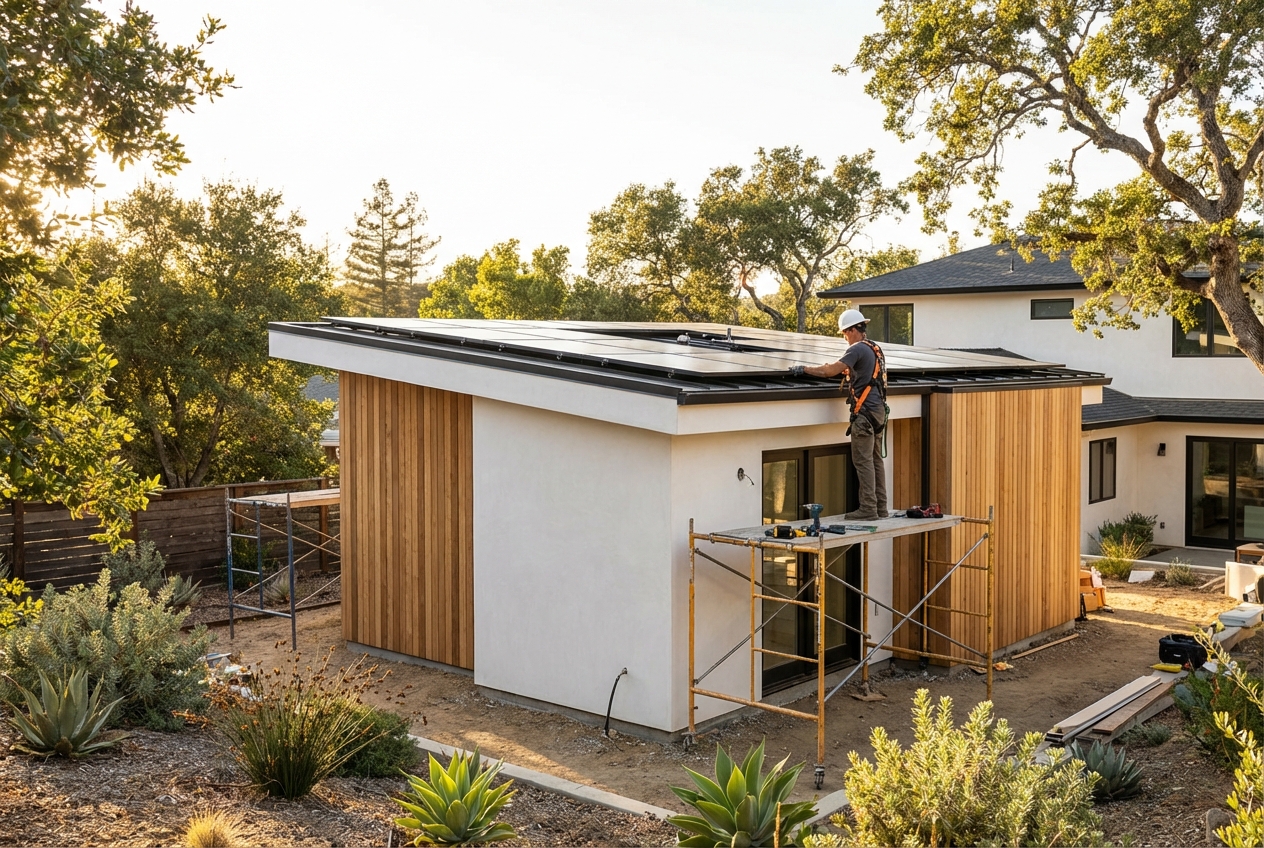
5. Build Quality and Certifications Look for panels tested to international standards such as IEC 61215 and IEC 61730, and installers who follow rigorous safety protocols. This is one reason www.everysun.com pairs US-made high-efficiency panels with Swedish safety and installation standards — a combination that emphasizes both performance and long-term structural reliability.
Not all solar panels are built the same way, and the underlying cell technology has a direct impact on efficiency, cost, and lifespan.
| Panel Type | Typical Efficiency | Lifespan | Best For | Relative Cost |
|---|---|---|---|---|
| Monocrystalline | 19%–22.8% | 25–30 years | Limited roof space, high performance needs | Higher upfront cost |
| Polycrystalline | 15%–17% | 23–27 years | Larger roofs, budget-conscious homeowners | Lower upfront cost |
| Thin-Film | 10%–13% | 15–20 years | Large commercial or unconventional surfaces | Lowest upfront cost |
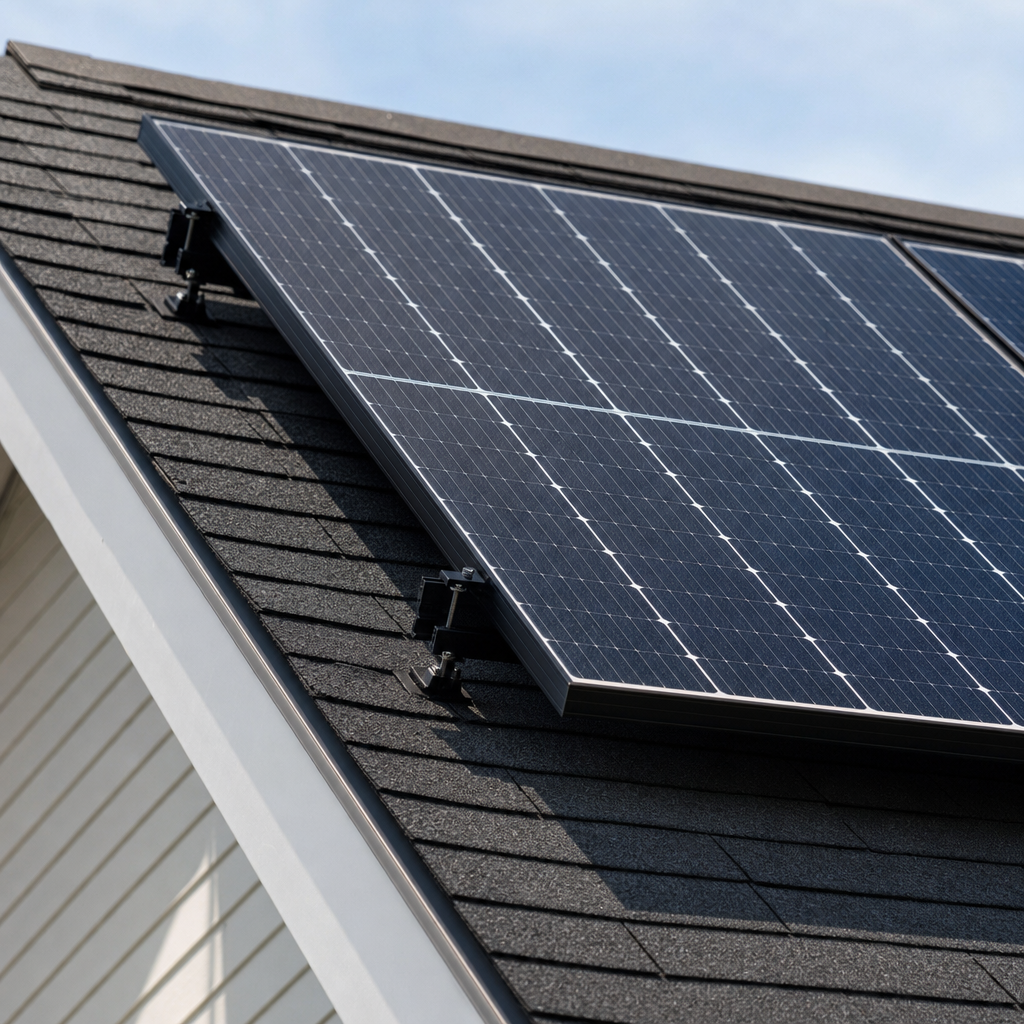
For most California residential rooftops — especially in urban and suburban areas where roof space is constrained by dormers, chimneys, and skylights — monocrystalline panels tend to deliver the best return on investment. Their higher efficiency means fewer panels are needed to meet a household's energy needs, which also reduces installation labor and mounting hardware costs.
When homeowners ask "what are the best solar panels for residential use," they're often really asking which brand to trust. Brand reputation matters, but it should be evaluated through specific, verifiable criteria rather than marketing claims alone.
California's net billing structure has shifted significantly in recent years. Under NEM 3.0, the value of exporting excess solar power to the grid has dropped substantially compared to the previous net metering framework. This makes battery storage far more important than it was just a few years ago.
According to the California Public Utilities Commission, homeowners installing solar after the NEM 3.0 transition generally see better financial outcomes when they pair panels with a battery system, since it allows them to store midday solar production and use it during expensive evening peak hours rather than selling it back to the grid at reduced rates.
A well-designed residential solar-plus-storage system typically includes:
Companies that design panels and batteries as an integrated system — rather than bolting on a battery after the fact — tend to deliver smoother performance and simpler troubleshooting down the line.
Warranty length is often used as a marketing headline, but the details matter more than the number on the brochure. There are generally three types of warranties bundled into a residential solar purchase:
| Warranty Type | What It Covers | Typical Industry Standard |
|---|---|---|
| Product/Equipment Warranty | Manufacturing defects in the panel itself | 10–25 years |
| Performance Warranty | Guaranteed minimum power output over time | 25 years, often 80–92% output retained |
| Installation/Workmanship Warranty | Labor, mounting, and installer errors | 2–10 years (varies widely by installer) |
This is often where homeowners get caught off guard. A panel might carry a strong 25-year product warranty, but if the installer only guarantees workmanship for 2 years, any roof leaks, mounting failures, or wiring issues that emerge later become the homeowner's financial responsibility. This is why installation guarantees are just as important as product warranties.
Everysun addresses this gap directly by offering a 20-year installation guarantee alongside 25-year product warranties on its panels — a combination that protects homeowners on both the equipment and the labor side of their investment for far longer than many competitors in the California market.
Panel quality matters, but so does correctly sizing the system to your household's actual energy consumption. Oversizing wastes money; undersizing leaves you still dependent on the grid for a meaningful portion of your bill.
A rough sizing process looks like this:
For example, a California household consuming 11,000 kWh annually might require roughly 25–30 monocrystalline panels rated at 400W each, depending on regional sun hours and roof orientation. A professional site assessment, such as those offered by www.everysun.com, remains the most accurate way to determine this number, since satellite estimates often miss shading patterns unique to a specific property.

California is not a single climate — it spans coastal fog belts, inland valleys, high desert, and mountain regions, each with different implications for panel selection.
Understanding your specific microclimate helps refine which panels — and which system design — will perform best over the full 25-year lifespan of your investment.
Beyond the headline specs, a few less-discussed factors often separate a good solar investment from a mediocre one:
Choosing the best solar panels for residential use in California ultimately comes down to balancing four factors: efficiency, durability, warranty strength, and installation quality. No single panel is universally "best" — the right choice depends on your roof's size and orientation, your household's energy consumption, your local microclimate, and how long you plan to stay in your home.
A practical decision checklist:
Homeowners who work through this checklist methodically, rather than choosing based on the lowest upfront quote, consistently report higher satisfaction and better long-term financial outcomes from their solar investment.
Selecting the right solar panels is one of the most consequential home improvement decisions a California homeowner will make in a decade — it affects your monthly bills, your home's resale value, and your household's resilience during grid outages for the next 25 years. Rather than chasing the lowest sticker price, focus on verified efficiency data, honest warranty terms, and an installer with a proven track record in your specific region.
Everysun combines US-made high-efficiency panels with Swedish safety and installation standards, backed by a 20-year installation guarantee and 25-year product warranties, giving California homeowners a rare combination of performance, protection, and peace of mind. If you're ready to explore which system size and panel type fits your home, www.everysun.com offers personalized assessments designed to help you make a confident, well-informed decision about your solar future.
© 2025 Everysun Inc. All Rights Reserved.


Get Your Free Solar Quote
Request your free quote and see how solar can work for your home and budget